
DbcultAccessing Vault...
Director's Spotlight
Senior Film Conservator
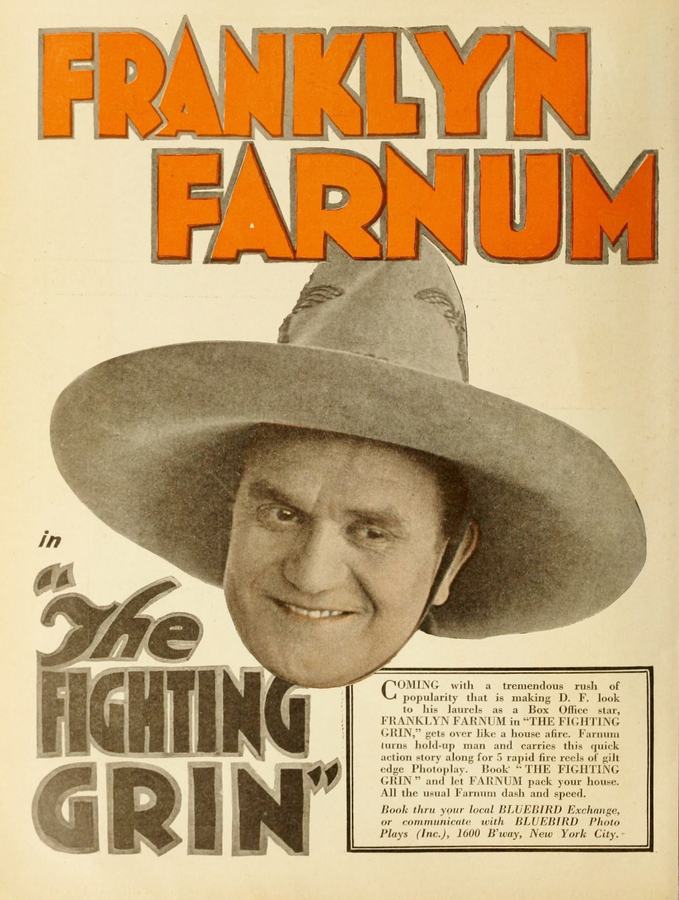
Director's Spotlight: United States
A Deep Dive into the 1918 Vision of Joseph De Grasse
The thematic gravity of The Fighting Grin (1918) is rooted in the artistic risks taken by Joseph De Grasse that eventually paid off. Defining a new era of United States artistic expression, it demands to be seen by anyone who cares about the art of film.
In The Fighting Grin, Joseph De Grasse pushes the boundaries of conventional narrative. The film's unique approach to its subject matter has sparked endless debates and interpretations among cinephiles and critics alike.
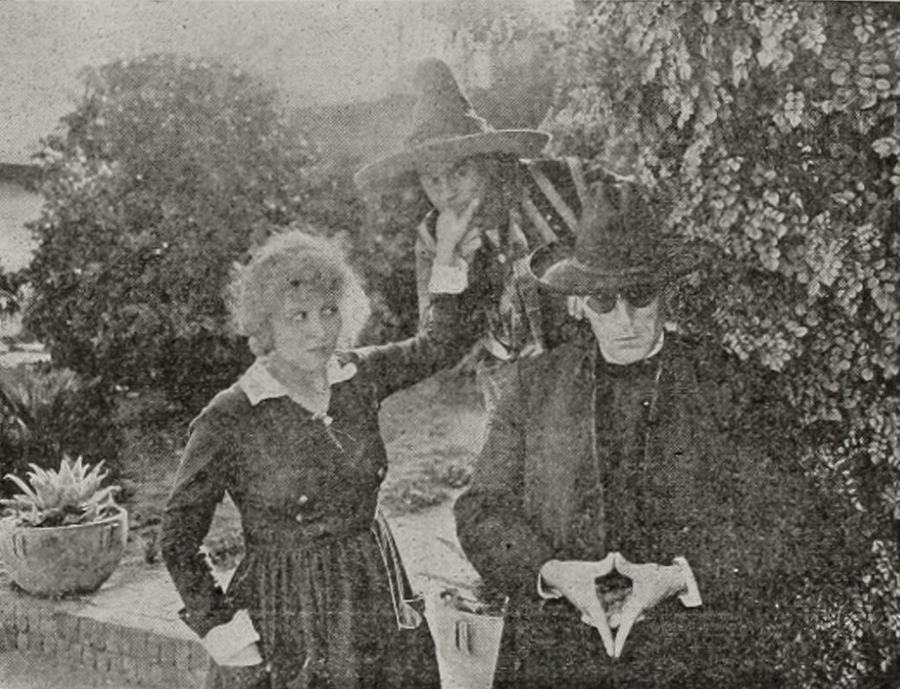
In this work, Joseph De Grasse explores the intersection of cult and United States cultural identity. The meticulous attention to detail suggests a deep-seated commitment to pushing the boundaries of the medium, ensuring that The Fighting Grin remains a relevant topic of study for cult enthusiasts.
| Cinematography | High-Contrast |
| Soundtrack | Orchestral |
| Editing | Slow-Burn |
| Art Direction | Brutalist |
Visualizing the convergence of Joseph De Grasse's style and the core cult narrative.
Billy Kennedy has bet his father, Otis Kennedy, $10,000 that he will marry his girlfriend, Margie Meredith, within the next week, even though both fathers are adamantly opposed to the union. After their first rendezvous is interrupted by the feuding fathers, the couple decide to take a train West and marry secretly on a ranch near Silverspur, Arizona. The parents discover the scheme and lock Billy into a freight car, where he dons the attire of a tramp. After being forced to exchange his clothing with a bandit, Billy finds that Margie has been forcibly married to her father's choice, milksop Harold De Vanderveer. Since the "minister" who performed the ceremony is actually the clothes-robbing bandit, however, Billy and Margie steal away to the real minister to be married. Billy wins his bet, while the two fathers finally resolve their differences.
Decades after its release, The Fighting Grin remains a vital piece of the cinematic puzzle. Its influence can be seen in countless modern works, solidifying Joseph De Grasse's status as a master of the craft in United States and beyond.