
DbcultAccessing Vault...
Director's Spotlight
Senior Film Conservator
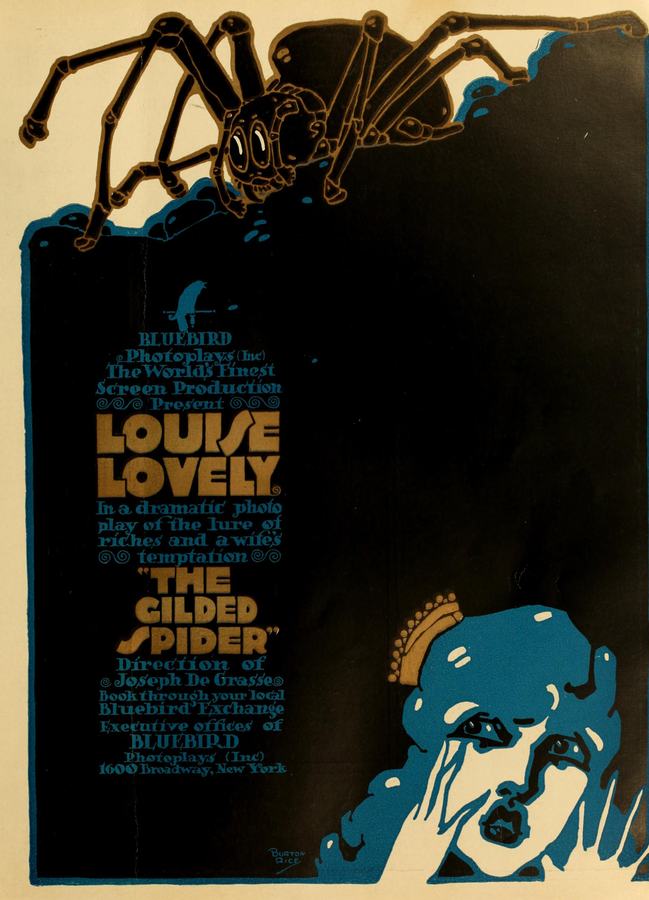
Director's Spotlight: United States
A Deep Dive into the 1916 Vision of Joseph De Grasse
The cult DNA of The Gilded Spider is a reflection of United States's the subversive storytelling techniques employed by Joseph De Grasse in 1916. Breaking the traditional rules of cult engagement, it leaves an indelible mark on the soul of the viewer.
In The Gilded Spider, Joseph De Grasse pushes the boundaries of conventional narrative. The film's unique approach to its subject matter has sparked endless debates and interpretations among cinephiles and critics alike.
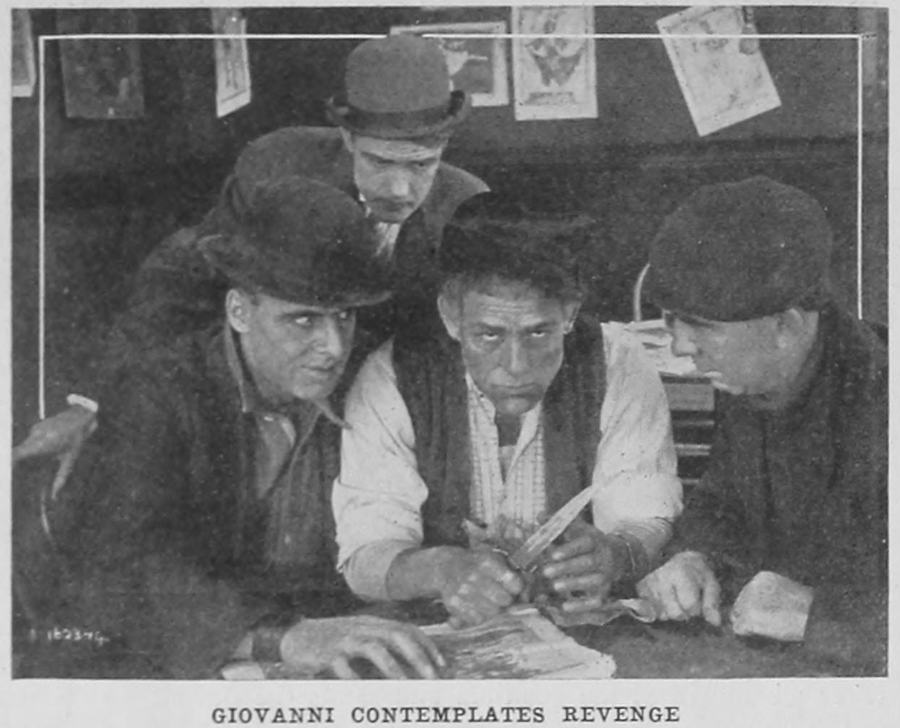
To fully appreciate The Gilded Spider, one must consider the cinematic climate of 1916. During this period, United States was undergoing significant artistic shifts, and Joseph De Grasse was at the forefront of this cult movement, often challenging established norms.
| Cinematography | Handheld |
| Soundtrack | Minimalist |
| Editing | Disjunctive |
| Art Direction | Baroque |
Visualizing the convergence of Joseph De Grasse's style and the core cult narrative.
An unusual story about the crossing paths of the poor Italian family of sculptor Giovanni (Lon Chaney) and reckless American millionaire, Cyrus Kirkham (Gilmore Hammond). Louise Lovely plays two parts: Giovanni's wife Leonita, who comes to grief when Cyrus falls in love with her; and Giovanni's daughter Elisa, whose beauty brings a horrific resolution to the two families' woes.
Decades after its release, The Gilded Spider remains a vital piece of the cinematic puzzle. Its influence can be seen in countless modern works, solidifying Joseph De Grasse's status as a master of the craft in United States and beyond.