
DbcultAccessing Vault...
Director's Spotlight
Senior Film Conservator
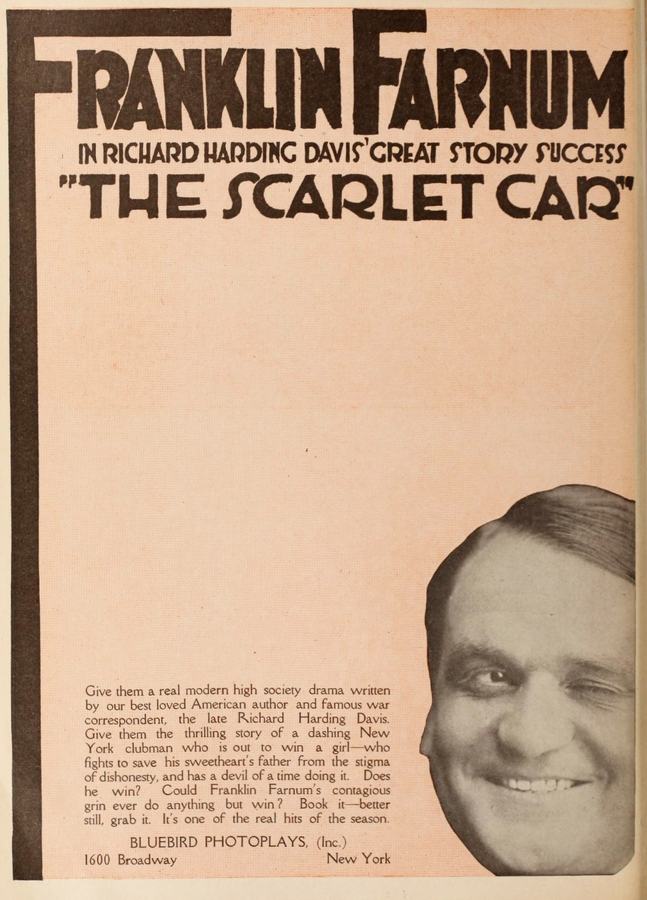
Director's Spotlight: United States
A Deep Dive into the 1917 Vision of Joseph De Grasse
The cult DNA of The Scarlet Car is a reflection of United States's the historical context that Joseph De Grasse weaves into the cult fabric. Challenging the viewer to find meaning in the cult shadows, it transcends regional boundaries to tell a universal story.
In The Scarlet Car, Joseph De Grasse pushes the boundaries of conventional narrative. The film's unique approach to its subject matter has sparked endless debates and interpretations among cinephiles and critics alike.
The visual language of The Scarlet Car is defined by its use of shadows and framing, a hallmark of Joseph De Grasse's style. By utilizing a 1917-era palette, the film creates an immersive experience that perfectly complements its cult themes.
| Cinematography | Noir-Inspired |
| Soundtrack | Diegetic |
| Editing | Elliptical |
| Art Direction | Expressionist |
Visualizing the convergence of Joseph De Grasse's style and the core cult narrative.
After discovering that Cyrus Peabody, the president of the bank, and his son Ernest have embezzled $35,000, their cashier, Paul Revere Forbes, threatens to expose them. In a rage, the two men strike him on the head and, persuaded that the busybody is dead, ask their broker to dump the body off in a deserted place. But the broker has an accident and is killed in the crash. The cashier, who was actually still alive, comes to and, while suffering a loss of memory, wanders off. Still believing their employee dead, the Peabodys accuse their cashier of having stolen the money. But Beatrice Forbes, Paul Revere's daughter, and her boyfriend, idle-turned-responsible Billy Winthrop, are on the alert.
Decades after its release, The Scarlet Car remains a vital piece of the cinematic puzzle. Its influence can be seen in countless modern works, solidifying Joseph De Grasse's status as a master of the craft in United States and beyond.