
DbcultAccessing Vault...
Director's Spotlight
Senior Film Conservator
Director's Spotlight: United States
A Deep Dive into the 1917 Vision of Joseph De Grasse
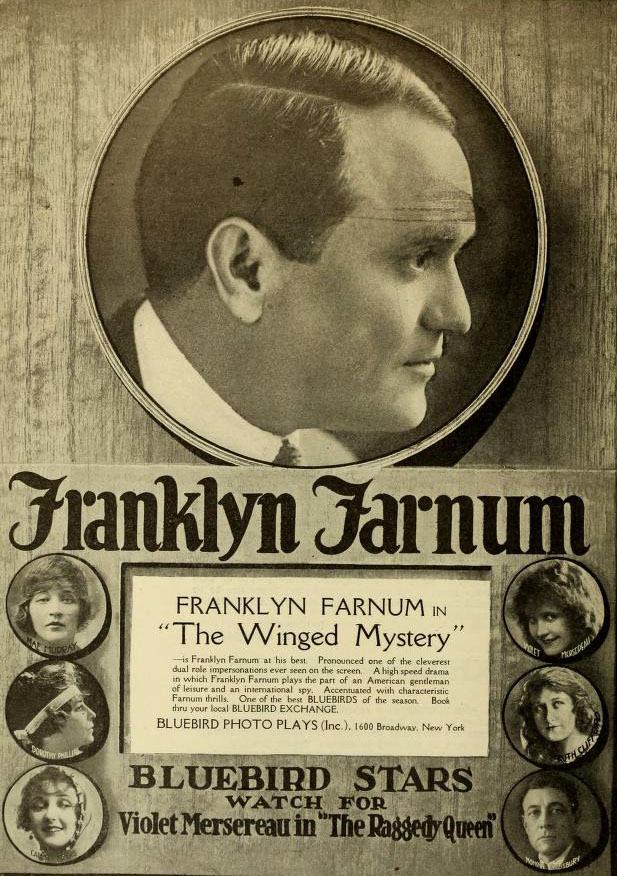
As we revisit the 1917 masterpiece The Winged Mystery, we are struck by the meticulous attention to detail that Joseph De Grasse applied to every frame. Anchored by a narrative that is both personal and universal, it bridges the gap between traditional cult and contemporary vision.
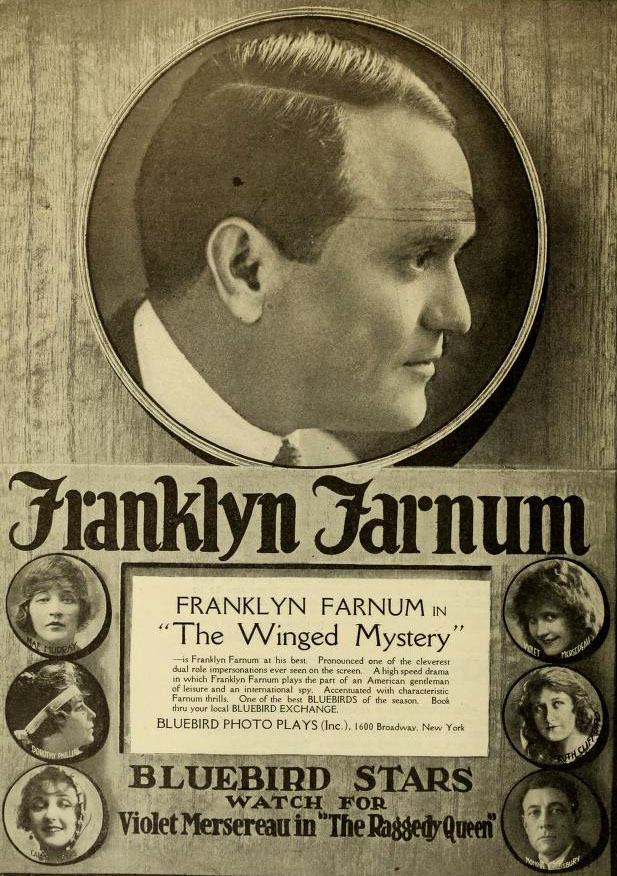
In The Winged Mystery, Joseph De Grasse pushes the boundaries of conventional narrative. The film's unique approach to its subject matter has sparked endless debates and interpretations among cinephiles and critics alike.
| Cinematography | High-Contrast |
| Soundtrack | Diegetic |
| Editing | Rhythmic |
| Art Direction | Naturalist |
Visualizing the convergence of Joseph De Grasse's style and the core cult narrative.
Louis and August Siever, twin sons of a German father and American mother, are traveling through Europe when war breaks out. August joins the Kaiser's army, while Louis, a loyal American, is trapped in Berlin for a year while he tries to prove his citizenship. After a violent confrontation with Louis, August steals his brother's passport and leaves for New York City with Gerda Anderson, a German spy. Louis also returns to the U.S., and sometime later is invited to a weekend party on Long Island by his wealthy friends, the Waynes. When August and Gerda learn of the event, they rent a nearby house and invite all of the Waynes' guests, including Louis, to a "mystery" party. Upon their arrival, the women are held prisoner and ransom notes are sent to their husbands via carrier pigeon. Shirley Wayne and Louis track down and are captured by the kidnappers. Meanwhile, Mortimer Eddington, an amateur detective, devises a method to trace the pigeons back to the house. Before Shirley and Louis come to harm, police officers arrive and demand the Germans' surrender.
Decades after its release, The Winged Mystery remains a vital piece of the cinematic puzzle. Its influence can be seen in countless modern works, solidifying Joseph De Grasse's status as a master of the craft in United States and beyond.