
DbcultAccessing Vault...
Director's Spotlight
Senior Film Conservator
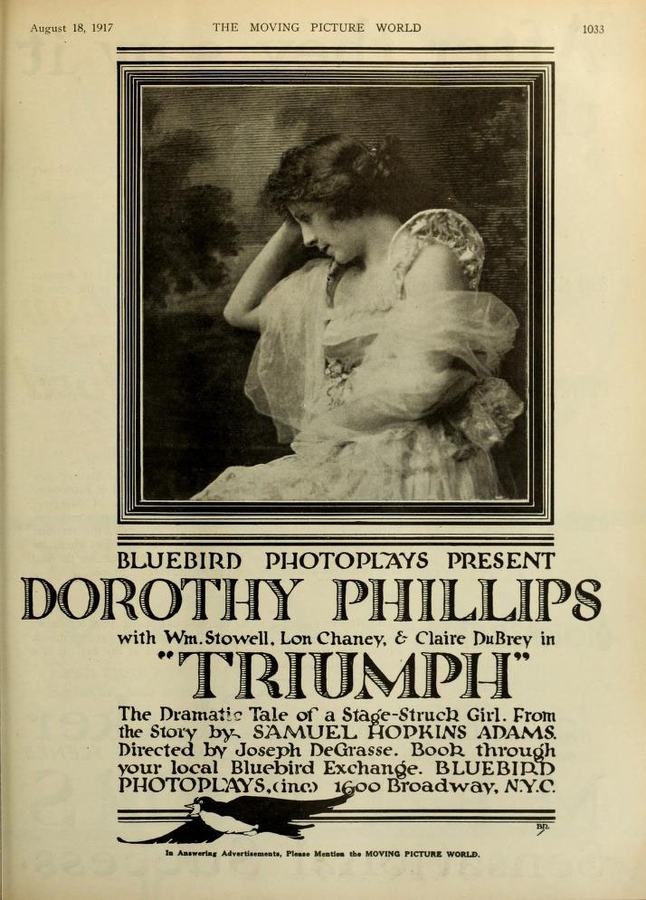
Director's Spotlight: United States
A Deep Dive into the 1917 Vision of Joseph De Grasse
The 1917 release of Triumph marked a significant moment for the stylistic boundaries pushed by Joseph De Grasse during the production. In the context of United States's rich cinematic history, it invites us to question our own perceptions of cult narratives.
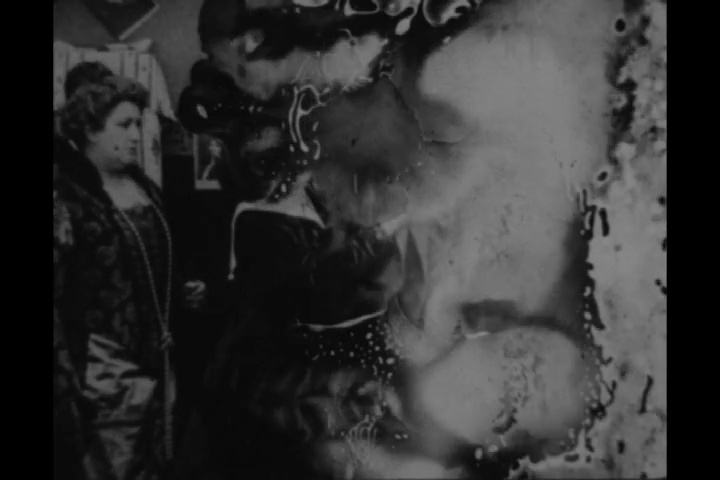
In Triumph, Joseph De Grasse pushes the boundaries of conventional narrative. The film's unique approach to its subject matter has sparked endless debates and interpretations among cinephiles and critics alike.
| Cinematography | Handheld |
| Soundtrack | Synth-Heavy |
| Editing | Disjunctive |
| Art Direction | Baroque |
Visualizing the convergence of Joseph De Grasse's style and the core cult narrative.
While awaiting the train to Broadway, Nell Baxter meets the leading man of a repertory company to whom she confides her ambitions. Upon arriving in the city, Nell attracts the lascivious eye of stage manager David Montieth, who eventually gives her the starring role in a play with the expectation that he will be favored with her affections. Nell, however, has fallen in love with playwright Paul Neihoff. On the afternoon that the show is to open, Montieth learns of Nell's romance and cancels the show. Nell goes to Montieth's apartment to plead with him to open the show, and he consents after setting Nell's virtue as the price of her ambition. When he attempts to collect, Nell stabs him and rushes to Neihoff's apartment. The playwright tells her to go to the theater as if nothing has happened, writes a letter confessing that he killed the manager, and then takes an overdose of a drug and dies. Word comes to Nell after the second act that Neihoff has sacrificed himself, and in the last act, she substitutes a real dagger for the fake one and stabs herself to death. It has all been a story, however, concocted by the leading man to cure Nell of her infatuation with the footlights, and no one has died.
Decades after its release, Triumph remains a vital piece of the cinematic puzzle. Its influence can be seen in countless modern works, solidifying Joseph De Grasse's status as a master of the craft in United States and beyond.