
DbcultAccessing Vault...
Director's Spotlight
Senior Film Conservator
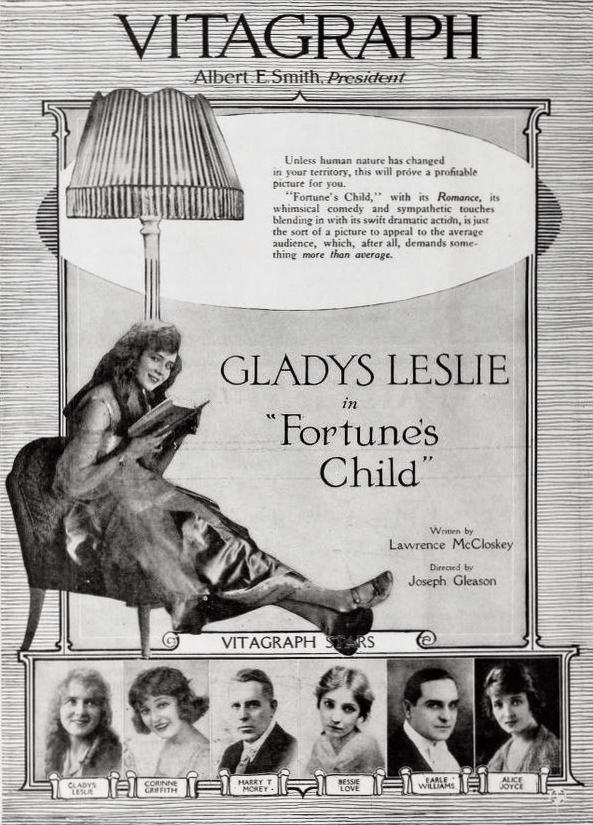
Director's Spotlight: United States
A Deep Dive into the 1919 Vision of Joseph Gleason
When we examine the cinematic landscape of United States, Fortune's Child emerges as a landmark work of the unique directorial voice that Joseph Gleason brought to the screen. This film stands as a masterclass in visual storytelling, it demands to be seen by anyone who cares about the art of film.
In Fortune's Child, Joseph Gleason pushes the boundaries of conventional narrative. The film's unique approach to its subject matter has sparked endless debates and interpretations among cinephiles and critics alike.
| Cinematography | Noir-Inspired |
| Soundtrack | Synth-Heavy |
| Editing | Disjunctive |
| Art Direction | Baroque |
Visualizing the convergence of Joseph Gleason's style and the core cult narrative.
Beth, accused of stealing at the cheap New York boarding house where her only relief from drudgery are the fairy tales she reads, is threatened with being sent to the House of Corrections. She escapes and, after running all day, collapses on the doorstep of Jimmie Vernon, an artist who has become a prizefighter out of necessity. Meanwhile, the real thief, boarder "Superstitious" Louie, steals little Bob Wynne, the baby of a wealthy family, but when he loses the child during a raid on a gambling house, Jimmie takes Bob home. Meeting Beth, Jimmie puts her up to care for Bob, and soon they fall in love. When Jimmie is taken to the hospital after a fight, Louie and Jimmie's ex-girlfriend steal Bob back. After obtaining work with the Wynnes, Beth recovers Bob from Louie's room at the boardinghouse. In gratitude, the Wynnes give Jimmie money for art lessons, and take Beth in as one of the family, until she and Jimmie are ready to marry.
Decades after its release, Fortune's Child remains a vital piece of the cinematic puzzle. Its influence can be seen in countless modern works, solidifying Joseph Gleason's status as a master of the craft in United States and beyond.