
DbcultAccessing Vault...
Director's Spotlight
Senior Film Conservator
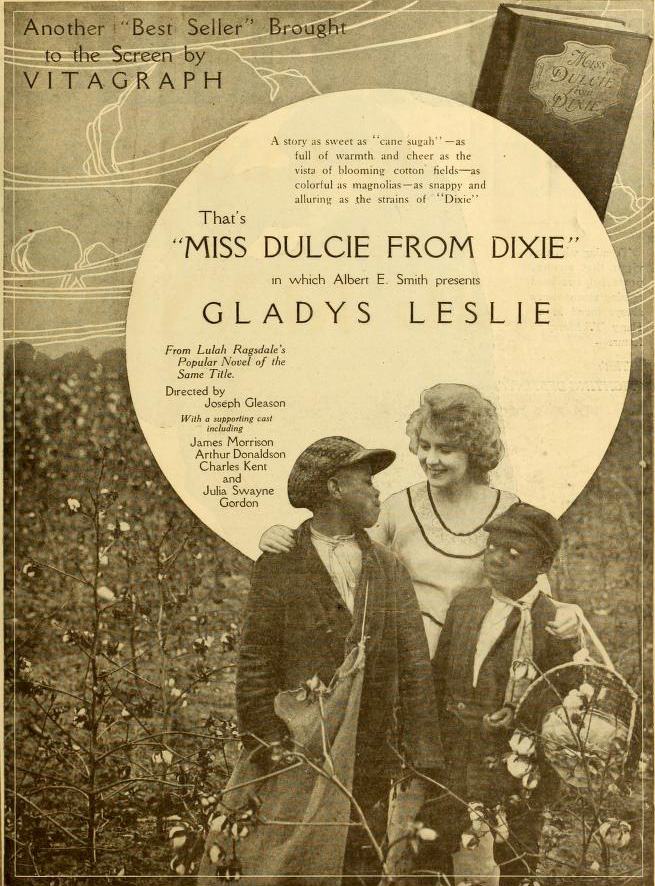
Director's Spotlight: United States
A Deep Dive into the 1919 Vision of Joseph Gleason
The brilliance of Miss Dulcie from Dixie (1919) is inseparable from a monumental shift in cult filmmaking spearheaded by Joseph Gleason. Occupying a unique space between cult and pure art, it serves as a blueprint for future generations of cult directors.
In Miss Dulcie from Dixie, Joseph Gleason pushes the boundaries of conventional narrative. The film's unique approach to its subject matter has sparked endless debates and interpretations among cinephiles and critics alike.
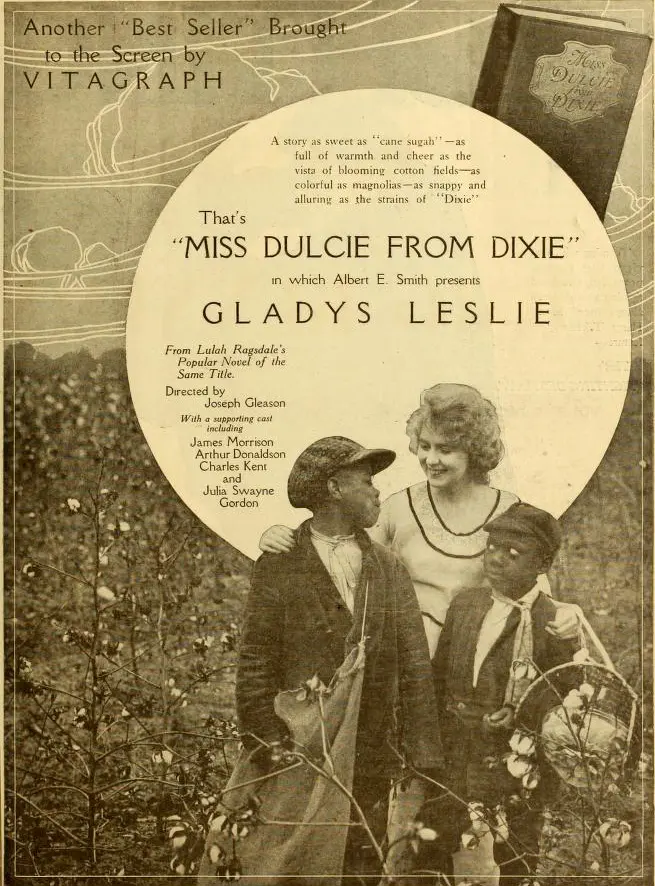
The visual language of Miss Dulcie from Dixie is defined by its use of shadows and framing, a hallmark of Joseph Gleason's style. By utilizing a 1919-era palette, the film creates an immersive experience that perfectly complements its cult themes.
| Cinematography | Deep Focus |
| Soundtrack | Diegetic |
| Editing | Rhythmic |
| Art Direction | Naturalist |
Visualizing the convergence of Joseph Gleason's style and the core cult narrative.
To receive the $5,000 promised in her Uncle Stephen's will, Dulcie Culpepper must live with her Uncle John in New York for six months so that her father, a Confederate colonel, will be reconciled with his brother whose marriage to a Northern woman long ago caused a breach. Although Dulcie finds Uncle John friendly, his second wife and stepson Orrin treat her coldly. After Dulcie fakes having a sprained ankle to get Orrin's attention, she succeeds in winning his affection. Her Aunt John, who wants Orrin to marry a wealthy girl, schemes for Dulcie to marry a middle-aged man, but when she discovers that, according to a codicil in the will, Dulcie will inherit $500,000, Aunt John virtually throws Orrin at Dulcie. After Dulcie learns of the inheritance she thinks that Orrin's interest was influenced by the money, and returns home heartbroken, but after her "Mammy" brings Orrin and Uncle John South, the brothers reconcile, and Dulcie accepts Orrin's love as sincere.
Decades after its release, Miss Dulcie from Dixie remains a vital piece of the cinematic puzzle. Its influence can be seen in countless modern works, solidifying Joseph Gleason's status as a master of the craft in United States and beyond.