
DbcultAccessing Vault...
Director's Spotlight
Senior Film Conservator
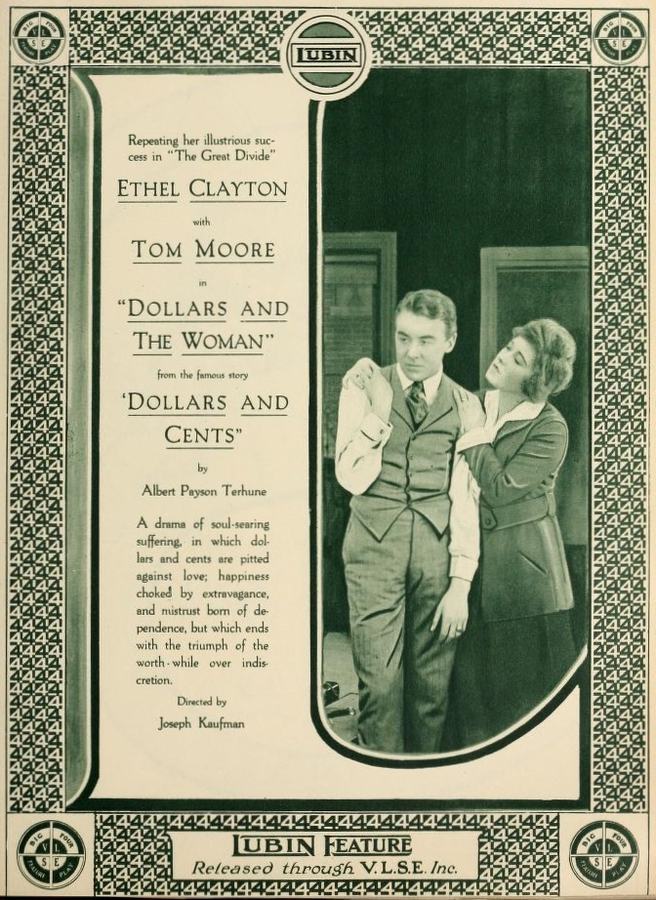
Director's Spotlight: United States
A Deep Dive into the 1916 Vision of Joseph Kaufman
Witnessing the stylistic transformation of cult through Dollars and the Woman reveals the provocative questions that Joseph Kaufman poses to the United States audience. Exploring the nuances of the human condition with cult flair, it showcases the power of cult as a tool for social commentary.

In Dollars and the Woman, Joseph Kaufman pushes the boundaries of conventional narrative. The film's unique approach to its subject matter has sparked endless debates and interpretations among cinephiles and critics alike.
| Cinematography | Deep Focus |
| Soundtrack | Orchestral |
| Editing | Invisible |
| Art Direction | Kitsch |
Visualizing the convergence of Joseph Kaufman's style and the core cult narrative.
Inventor Dan Hilyer needs money to go West in order to market his new patent, his wife Madge secretly gets a loan from her former sweetheart, Arthur Crewe. Then, with her husband gone, Madge again receives financial support from Arthur when she is about to have her baby. Shortly after Dan returns, he learns of Arthur's help and suspects his wife of having given far too much in return for the money. Dan is on the verge of demanding a separation when Arthur, having heard that his loan has caused the problem, comes to Dan and vouches for Madge's perfectly upright behavior, which then leads to the couple's reconciliation.
Decades after its release, Dollars and the Woman remains a vital piece of the cinematic puzzle. Its influence can be seen in countless modern works, solidifying Joseph Kaufman's status as a master of the craft in United States and beyond.