
DbcultAccessing Vault...
Director's Spotlight
Senior Film Conservator
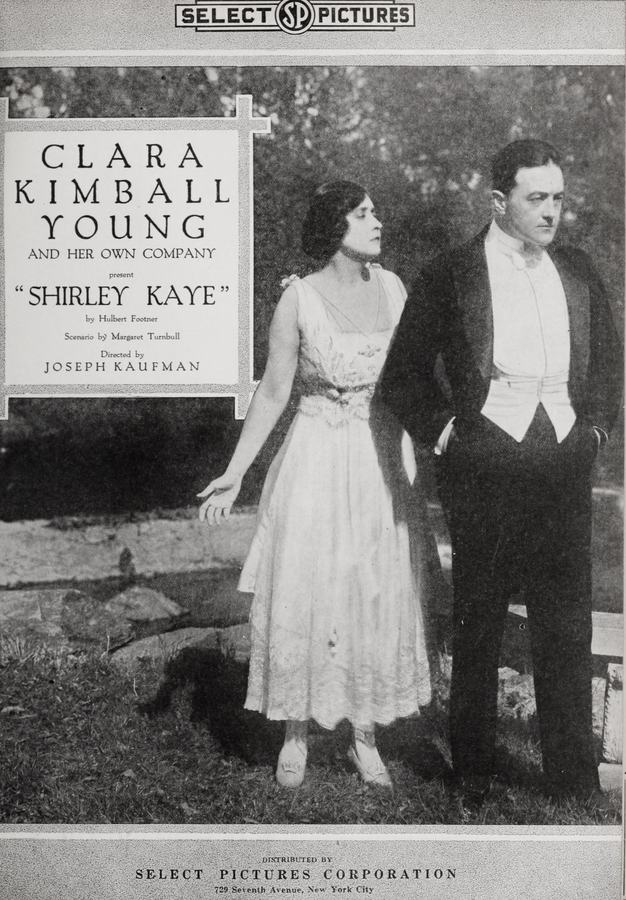
Director's Spotlight: United States
A Deep Dive into the 1917 Vision of Joseph Kaufman
The 1917 release of Shirley Kaye marked a significant moment for the stylistic boundaries pushed by Joseph Kaufman during the production. In the context of United States's rich cinematic history, it invites us to question our own perceptions of cult narratives.
In Shirley Kaye, Joseph Kaufman pushes the boundaries of conventional narrative. The film's unique approach to its subject matter has sparked endless debates and interpretations among cinephiles and critics alike.
While deeply rooted in United States, Shirley Kaye has achieved a global reach, influencing directors from various backgrounds. Its ability to translate cult tropes into a universal cinematic language is why it remains a cult staple decades after its 1917 release.
| Cinematography | Deep Focus |
| Soundtrack | Minimalist |
| Editing | Slow-Burn |
| Art Direction | Brutalist |
Visualizing the convergence of Joseph Kaufman's style and the core cult narrative.
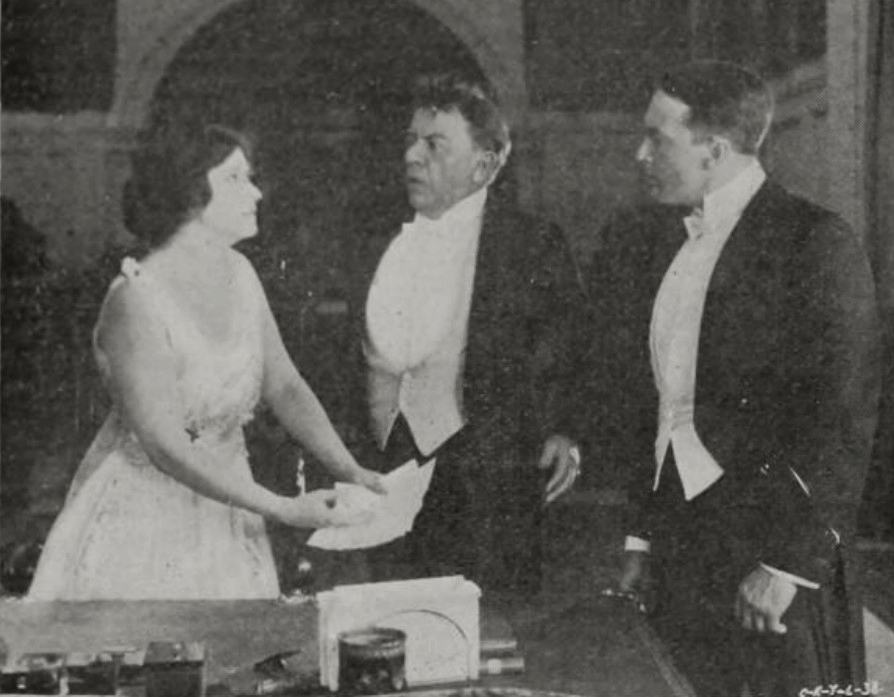
Shirley Kaye is the vivacious daughter of Egerton Kaye, president of the great Union Central Railroad. The latter holds his position through his descent from "Pirate" Kaye, who founded the line, rather than through any executive ability of his own. Shirley is queen of the most exclusive Long Island set, and as clever as she is lovely to look at. From the West comes T.J. Magen, a rough but lion-hearted financier, who buys the house next door to the Kayes. Magen cares little for society, and the elaborate household which their wealth forces them to support is a constant worry to his simple and unassuming wife. But the daughter, "Daisy," yearns, with all her heart to break into the society and swim where Shirley Kaye reigns supreme. T.J. and his younger associate, John Rowson, who, incidentally, hates all women, especially Easterners, secure a majority of the proxies of Union Central shareholders. Believing that new blood would improve the finances of the U.C, they determine to oust Egerton Kaye, the figure-head president, at the next directors' meeting. With breaking heart Kaye tells his daughter of the impending blow, which means not alone the loss of his position but also the loss of the family interest in the road. Shirley, angered at the conspiracy, rises supremely to the emergency. She uses her wiles on T.J., dickers with him for his daughter's social position and agrees to give Daisy her heart's desire if he will ally himself with the Kaye interests. She wins the allegiance of Magen, but Rowson, believing her to be a cold-blooded seeker after money and social position, abruptly severs his connections with the venture and leaves for the west. In the end Shirley goes after him and proves herself as capable in love piracy as in the realm of high finance.
Decades after its release, Shirley Kaye remains a vital piece of the cinematic puzzle. Its influence can be seen in countless modern works, solidifying Joseph Kaufman's status as a master of the craft in United States and beyond.