
DbcultAccessing Vault...
Director's Spotlight
Senior Film Conservator
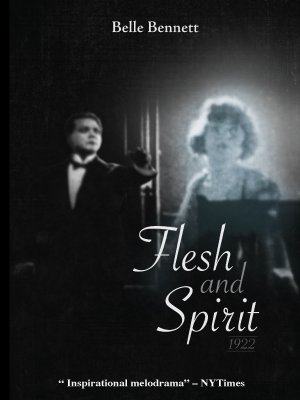
Director's Spotlight: United States
A Deep Dive into the 1922 Vision of Joseph Levering
The enduring fascination with Flesh and Spirit is a testament to the artistic risks taken by Joseph Levering that eventually paid off. Challenging the viewer to find meaning in the Drama shadows, it reminds us of the fragility and beauty of the 1922s.
In Flesh and Spirit, Joseph Levering pushes the boundaries of conventional narrative. The film's unique approach to its subject matter has sparked endless debates and interpretations among cinephiles and critics alike.
| Cinematography | Handheld |
| Soundtrack | Experimental |
| Editing | Elliptical |
| Art Direction | Expressionist |
Visualizing the convergence of Joseph Levering's style and the core Drama narrative.
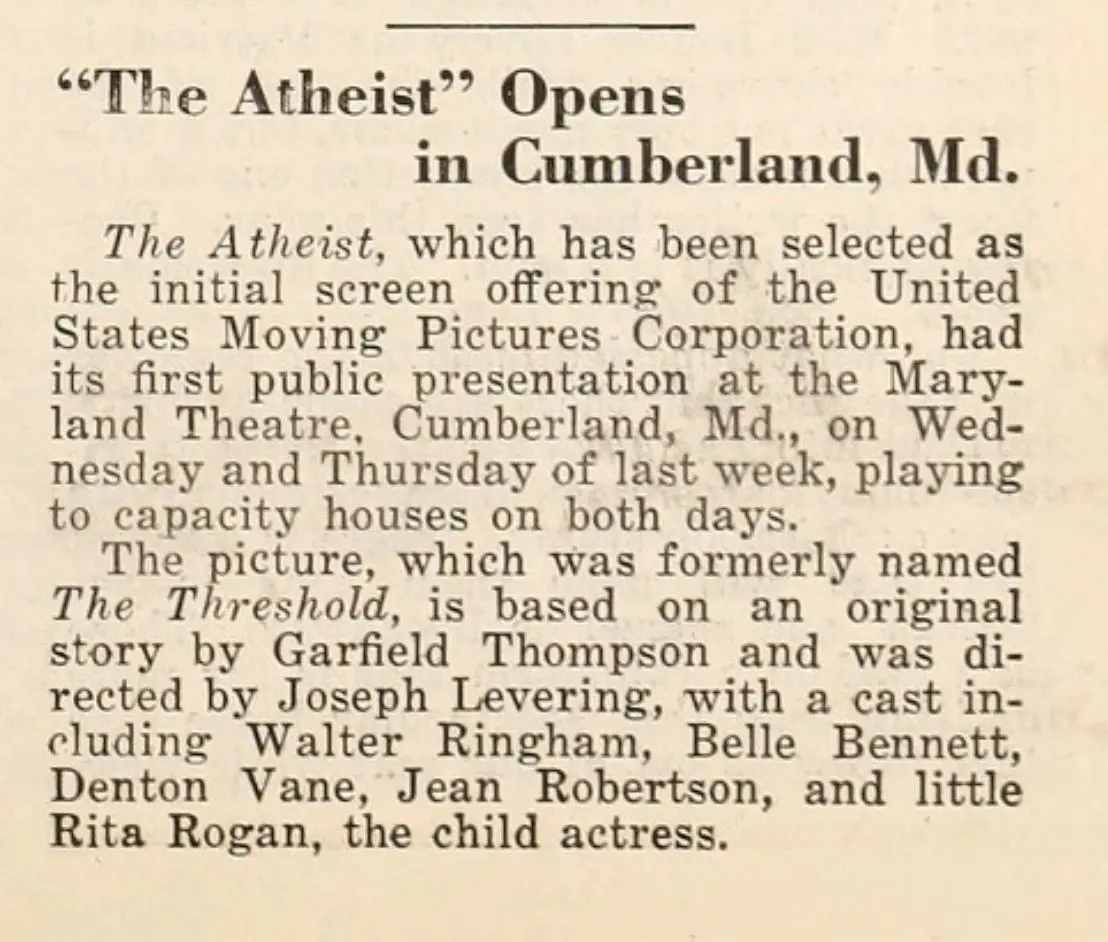
Chemist Donald Wallace is an atheist who believes science is the only God. He is loved by his cousin, Truth Eldridge, but is too self centered and too attentive to his radium experiments to notice her affection. Instead, he falls for Paula Roberts. When they come upon a lost little girl named Peggy, Wallace decides to take care of her until he finds her parents, but despite being a kind man, he insists to the girl that there is no God. James Dale, Wallace's assistant and Truth Eldridge's secret admirer, accidentally kills her when he tries to poison Wallace. Shortly after her death, Truth returns in spirit form to convince Wallace that God exists after all.
Decades after its release, Flesh and Spirit remains a vital piece of the cinematic puzzle. Its influence can be seen in countless modern works, solidifying Joseph Levering's status as a master of the craft in United States and beyond.