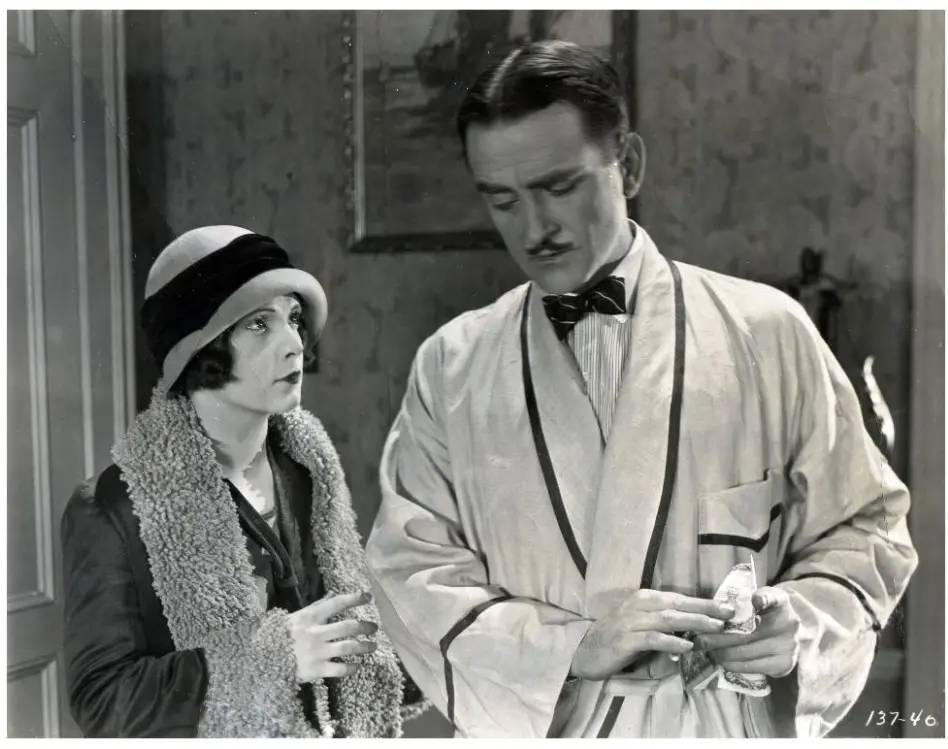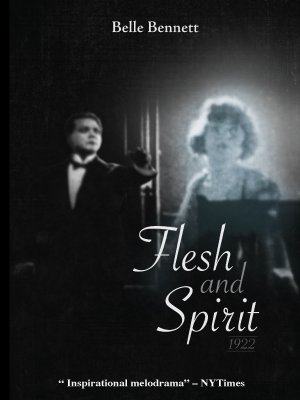
Chemist Donald Wallace is an atheist who believes science is the only God. He is loved by his cousin, Truth Eldridge, but is too self centered and too attentive to his radium experiments to notice her affection.
I. The Green Glow of Hubris In the annals of silent cinema, where shadows are languages and intertitles are gospel, Flesh and Spirit arrives like a vial spilled in a darkroom: unpredictable, radioactive, impossible to ignore. Thompson’s screenplay is less a narrative than a chain reaction—each scene a neutron slamming...
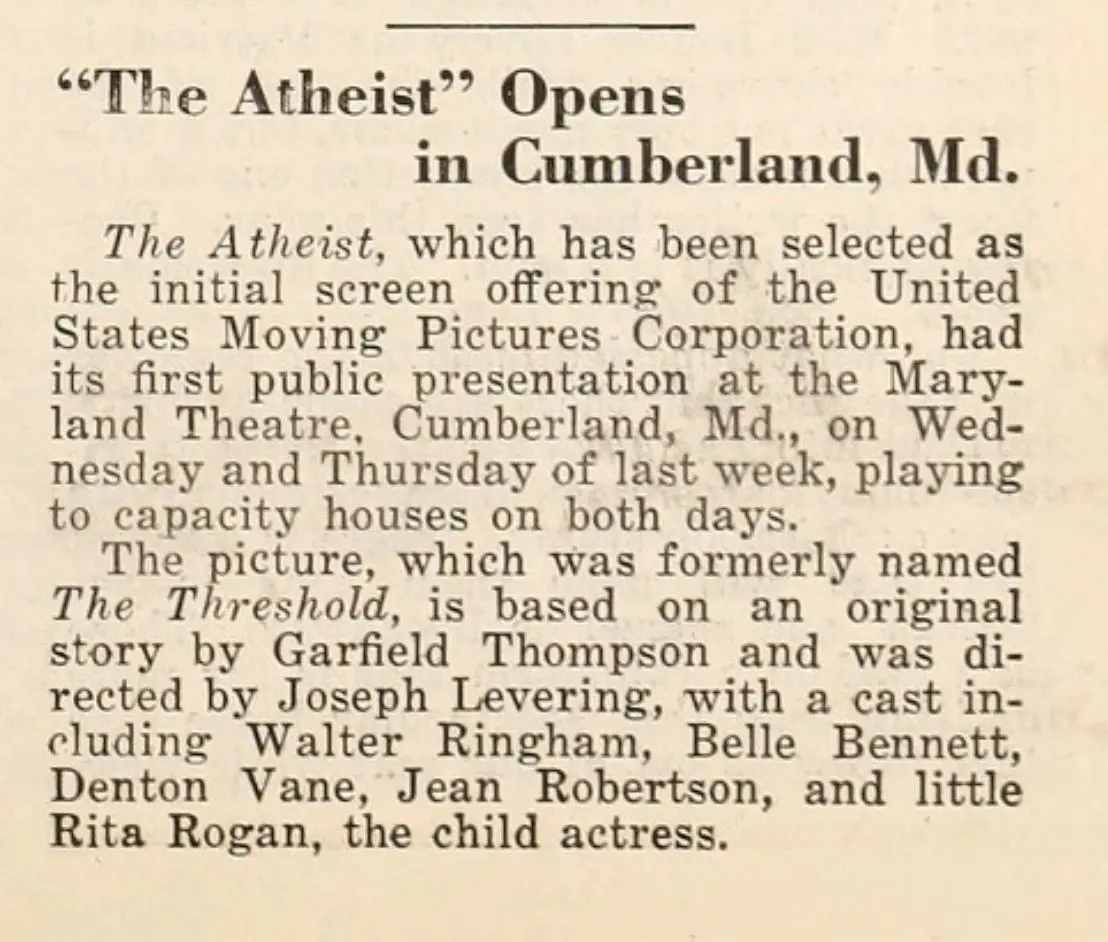
publicity
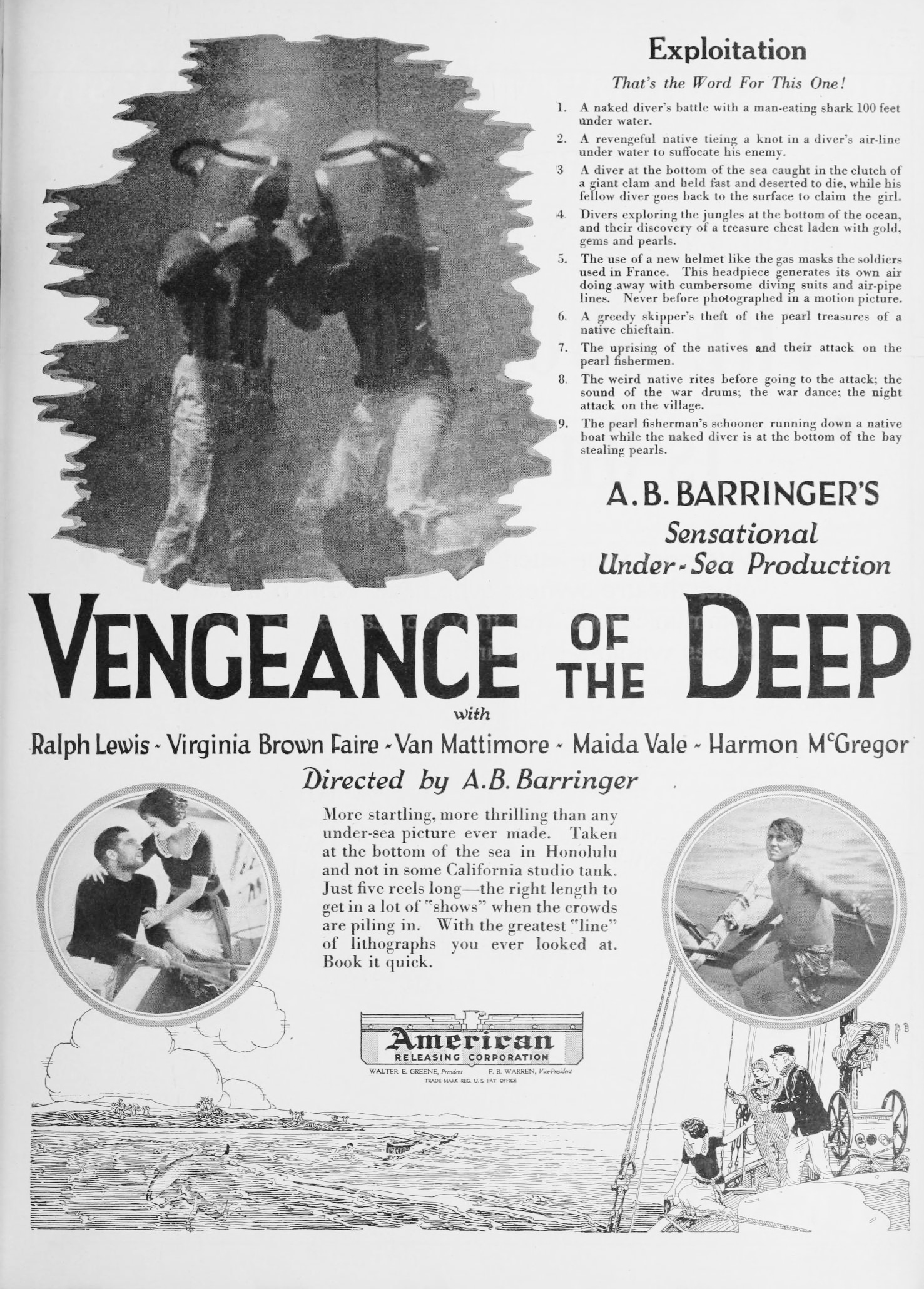
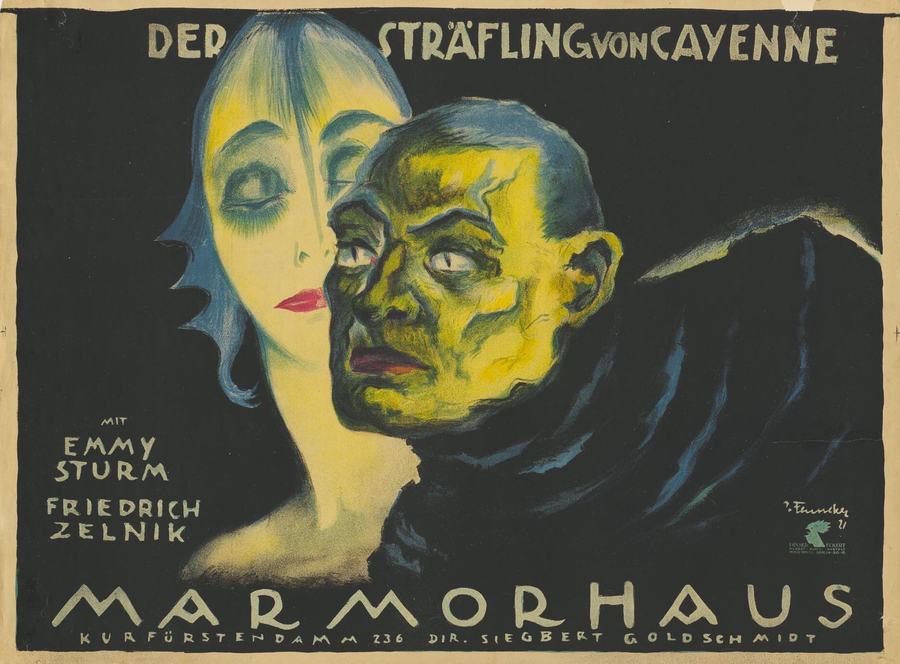
Comparing the cinematic DNA and archive impact of two defining moments in cult history.
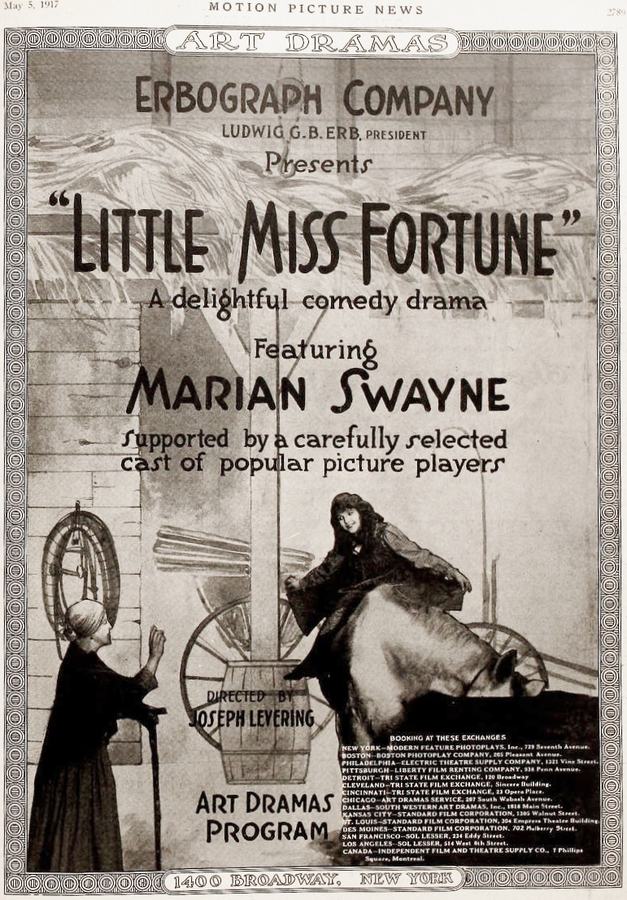
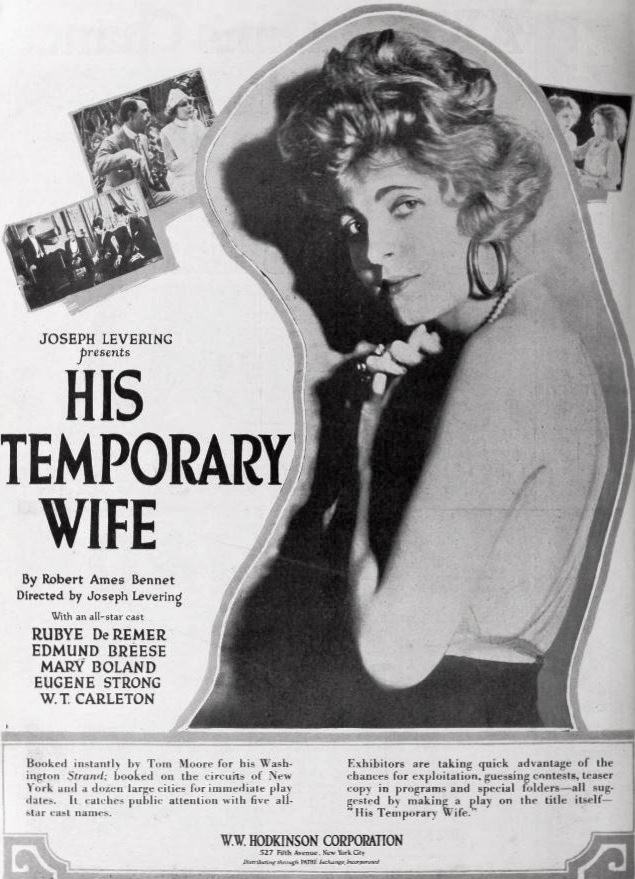
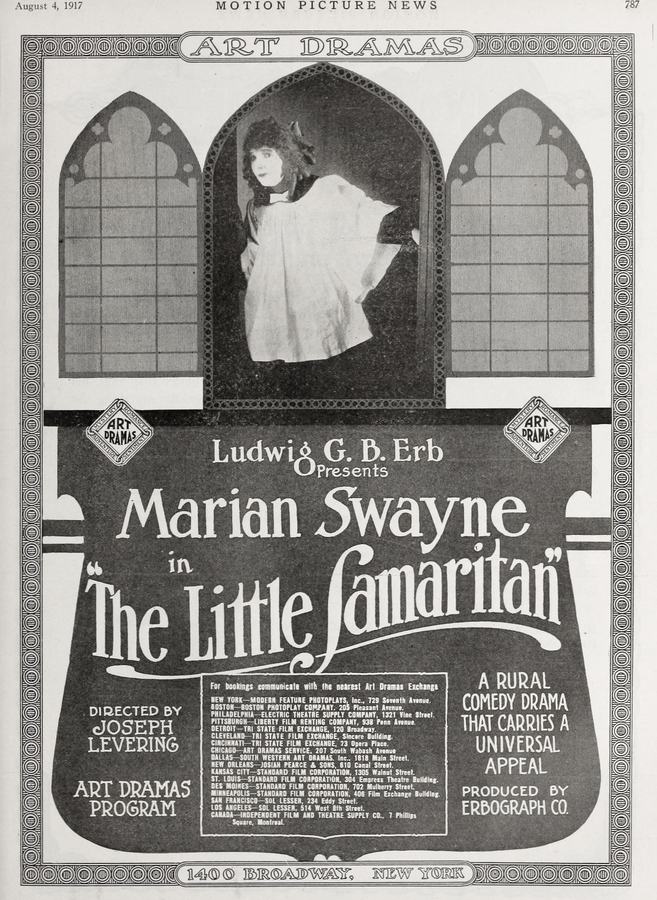
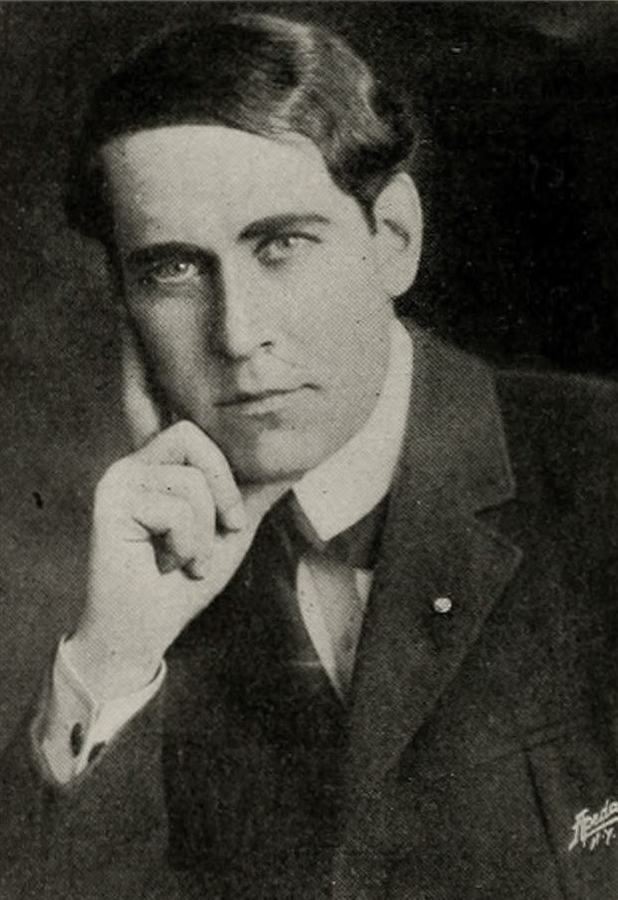
Joseph Levering
Dallas M. Fitzgerald
Community
Log in to comment.
" I. The Green Glow of Hubris In the annals of silent cinema, where shadows are languages and intertitles are gospel, Flesh and Spirit arrives like a vial spilled in a darkroom: unpredictable, radioactive, impossible to ignore. Thompson’s screenplay is less a narrative than a chain reaction—each scene a neutron slamming into the next, releasing emotional energy that lingers like radium’s half-life. Wallace, played by Denton Vane with the hawkish profile of a man who has never needed forgiveness, ..."
Walter Ringham
Garfield Thompson
United States
Deep dive into the cult classic
Discover similar cinematic experiences
A Directorial Spotlight on Joseph Levering