
DbcultAccessing Vault...
Director's Spotlight
Senior Film Conservator
Director's Spotlight: United States
A Deep Dive into the 1928 Vision of J.P. McGowan
The 1928 release of West of Santa Fe marked a significant moment for the enduring legacy of J.P. McGowan's artistic contribution to the genre. By challenging the status quo of 1928 cinema, it has cemented its place in the global cult cinema archive.
In West of Santa Fe, J.P. McGowan pushes the boundaries of conventional narrative. The film's unique approach to its subject matter has sparked endless debates and interpretations among cinephiles and critics alike.
In this work, J.P. McGowan explores the intersection of Drama and United States cultural identity. The meticulous attention to detail suggests a deep-seated commitment to pushing the boundaries of the medium, ensuring that West of Santa Fe remains a relevant topic of study for Drama enthusiasts.
| Cinematography | Noir-Inspired |
| Soundtrack | Synth-Heavy |
| Editing | Rhythmic |
| Art Direction | Naturalist |
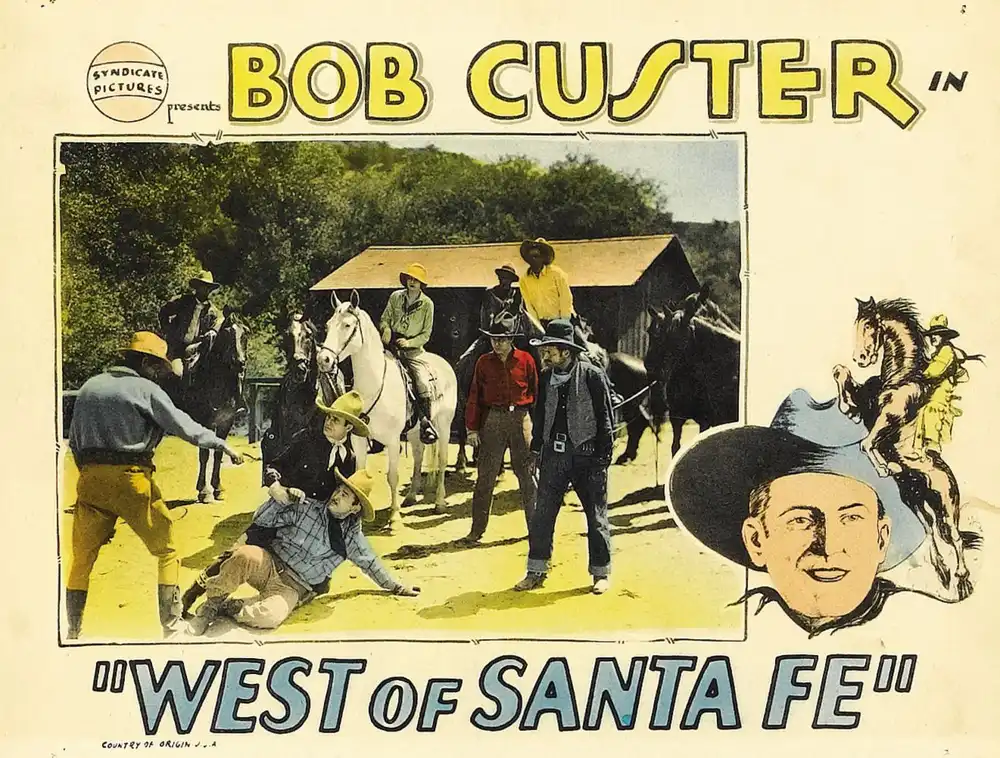
Visualizing the convergence of J.P. McGowan's style and the core Drama narrative.
A Major Seabury, who is negotiating the purchase of maverick horses for the Army, stops at Helen's ranch, where considerable action and danger lead to the disclosure of a plot to cheat the government. Jack, a neighboring rancher, discovers the real major in the custody of the confederates of Helen's foreman, Bull, who planned to cash the vouchers for the horses.
Decades after its release, West of Santa Fe remains a vital piece of the cinematic puzzle. Its influence can be seen in countless modern works, solidifying J.P. McGowan's status as a master of the craft in United States and beyond.