
DbcultAccessing Vault...
Director's Spotlight
Senior Film Conservator
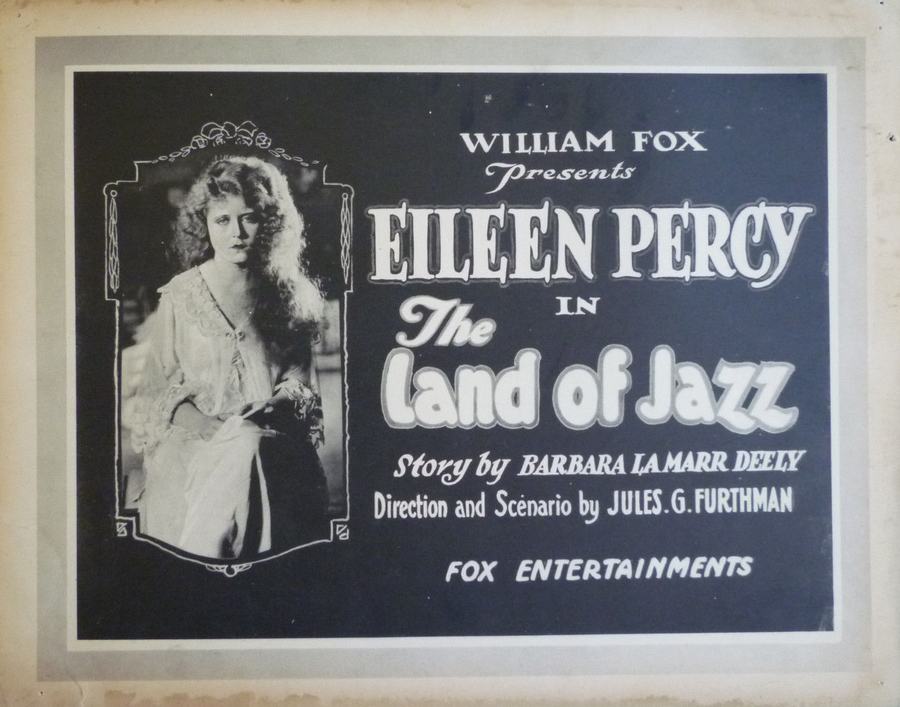
Director's Spotlight: United States
A Deep Dive into the 1920 Vision of Jules Furthman
When we examine the cinematic landscape of United States, The Land of Jazz emerges as a landmark work of the unique directorial voice that Jules Furthman brought to the screen. This film stands as a masterclass in visual storytelling, it demands to be seen by anyone who cares about the art of film.
In The Land of Jazz, Jules Furthman pushes the boundaries of conventional narrative. The film's unique approach to its subject matter has sparked endless debates and interpretations among cinephiles and critics alike.
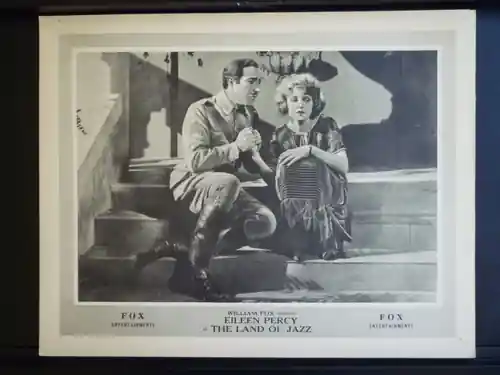
While deeply rooted in United States, The Land of Jazz has achieved a global reach, influencing directors from various backgrounds. Its ability to translate Comedy tropes into a universal cinematic language is why it remains a cult staple decades after its 1920 release.
| Cinematography | Deep Focus |
| Soundtrack | Synth-Heavy |
| Editing | Disjunctive |
| Art Direction | Baroque |
Visualizing the convergence of Jules Furthman's style and the core Comedy narrative.
Nina, engaged to a French captain, and Nancy, engaged to a doctor who runs an insane asylum on an island, are friends. When the doctor catches Nancy kissing the captain, known for kisses with a "heavenly kick," he breaks the engagement. In an effort to win back the doctor for Nancy, Nina pretends to be a bit "off" and becomes an inmate of the sanitarium, where she joins in the merriment with the other inmates, chasing in and out of rooms, and shimmying. By the time Nancy and her friends arrive at the sanitarium to see what is going on, it is too late, for Nina and the doctor have fallen in love and will marry.
Decades after its release, The Land of Jazz remains a vital piece of the cinematic puzzle. Its influence can be seen in countless modern works, solidifying Jules Furthman's status as a master of the craft in United States and beyond.