
DbcultAccessing Vault...
Director's Spotlight
Senior Film Conservator
Director's Spotlight: United States
A Deep Dive into the 1926 Vision of Jules White
The Short DNA of Dizzy Dancers is a reflection of United States's the historical context that Jules White weaves into the Short fabric. Challenging the viewer to find meaning in the Short shadows, it transcends regional boundaries to tell a universal story.
In Dizzy Dancers, Jules White pushes the boundaries of conventional narrative. The film's unique approach to its subject matter has sparked endless debates and interpretations among cinephiles and critics alike.
To fully appreciate Dizzy Dancers, one must consider the cinematic climate of 1926. During this period, United States was undergoing significant artistic shifts, and Jules White was at the forefront of this Short movement, often challenging established norms.
| Cinematography | High-Contrast |
| Soundtrack | Synth-Heavy |
| Editing | Disjunctive |
| Art Direction | Baroque |
Visualizing the convergence of Jules White's style and the core Short narrative.
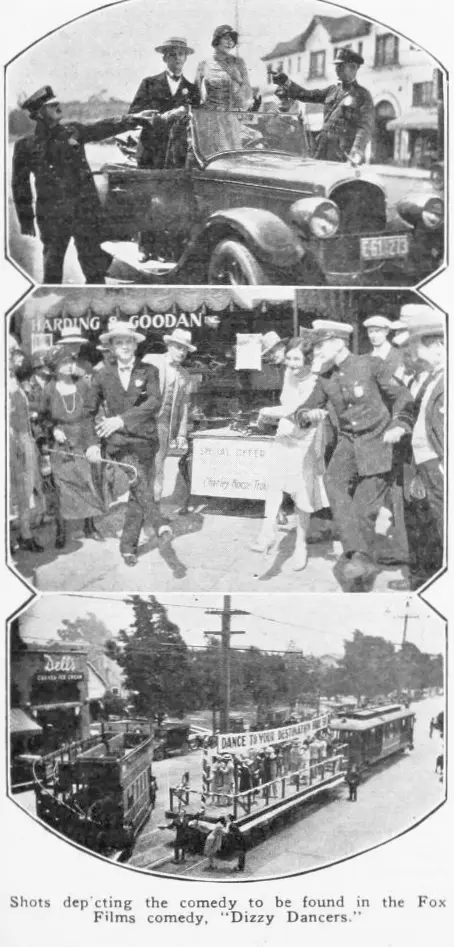
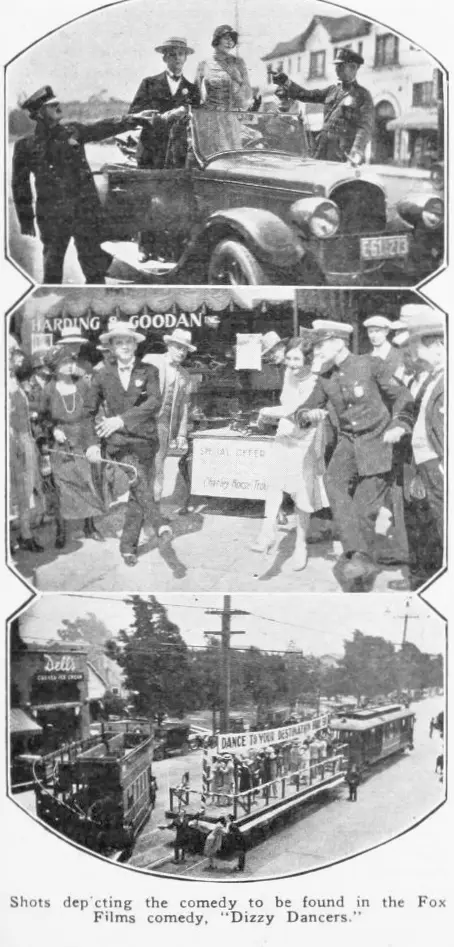
George Wisher, dude motorman, acquires the new dance craze, the Charley horse trot. Even the traffic cop on duty at the corner starts dancing and the chief happens along and gets in step. George doffs his dude clothes and gets into his motorman's uniform. The street railway company is threatened with bankruptcy until the ingenious George hits on trailers for the street cars on which passengers may dance. This makes a combination of the bus and trolley lines possible and profitable for the pretty girl's father.
Decades after its release, Dizzy Dancers remains a vital piece of the cinematic puzzle. Its influence can be seen in countless modern works, solidifying Jules White's status as a master of the craft in United States and beyond.