
DbcultAccessing Vault...
Director's Spotlight
Senior Film Conservator
Director's Spotlight: United States
A Deep Dive into the 1926 Vision of Jules White
Peeling back the layers of Jules White's Light Wines and Bearded Ladies exposes the technical innovation that Jules White introduced to the Comedy format. Driven by an uncompromising commitment to Comedy excellence, it stands as the definitive 1926 statement on Comedy identity.
In Light Wines and Bearded Ladies, Jules White pushes the boundaries of conventional narrative. The film's unique approach to its subject matter has sparked endless debates and interpretations among cinephiles and critics alike.
| Cinematography | Deep Focus |
| Soundtrack | Diegetic |
| Editing | Rhythmic |
| Art Direction | Naturalist |
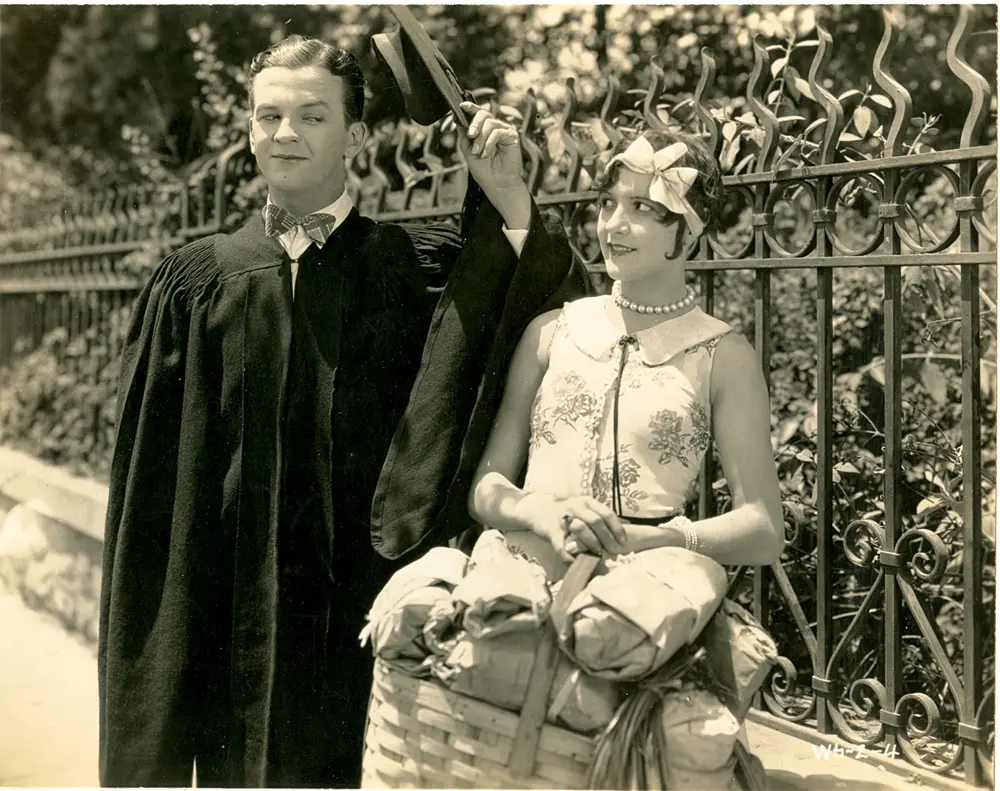
Visualizing the convergence of Jules White's style and the core Comedy narrative.
After graduating from barber college, Gene gets a shop on an aeroplane as his first field of labor. His first customer is a fruit dealer, J. Buckley Russell, also suitor for the hand of Sally Phipps, the girl in question. What Gene does to his rival once the latter is seated in his barber chair and, for that matter, to other succeeding customers, would undoubtedly be bad enough at best. Add to his natural nervousness a plane doing tail spins and nose dives and you feel that the villain is justified in chasing the hero out on the wings and causing his fall countless miles to the terrain beneath.
Decades after its release, Light Wines and Bearded Ladies remains a vital piece of the cinematic puzzle. Its influence can be seen in countless modern works, solidifying Jules White's status as a master of the craft in United States and beyond.