
DbcultAccessing Vault...
Director's Spotlight
Senior Film Conservator
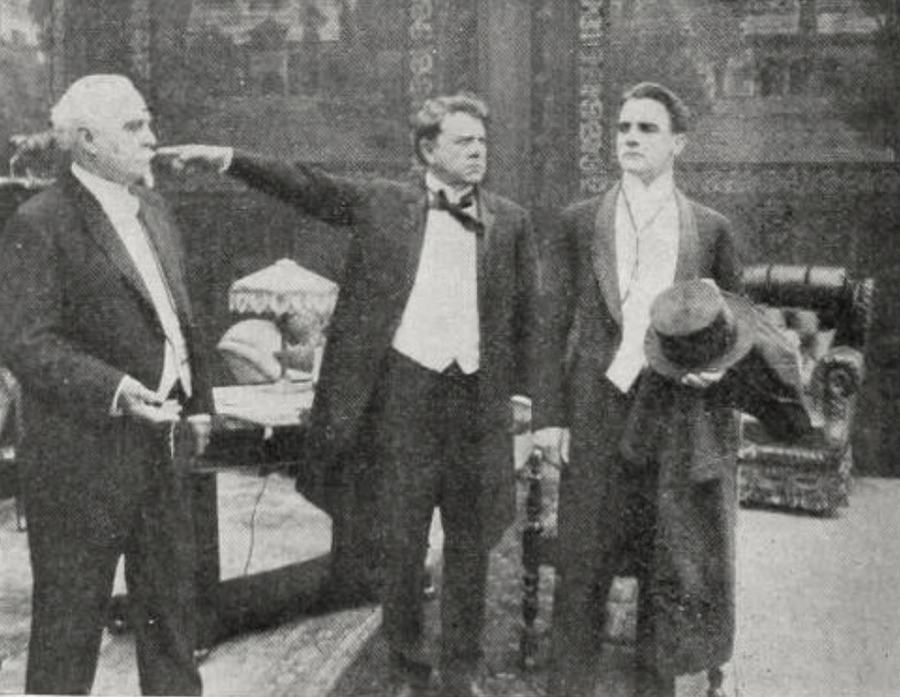
Director's Spotlight: United States
A Deep Dive into the 1915 Vision of Julia Crawford Ivers
Analyzing The Majesty of the Law (1915) requires a deep dive into the unique directorial voice that Julia Crawford Ivers brought to the screen. By challenging the status quo of 1915 cinema, it continues to spark endless debates among critics and cinephiles alike.
In The Majesty of the Law, Julia Crawford Ivers pushes the boundaries of conventional narrative. The film's unique approach to its subject matter has sparked endless debates and interpretations among cinephiles and critics alike.
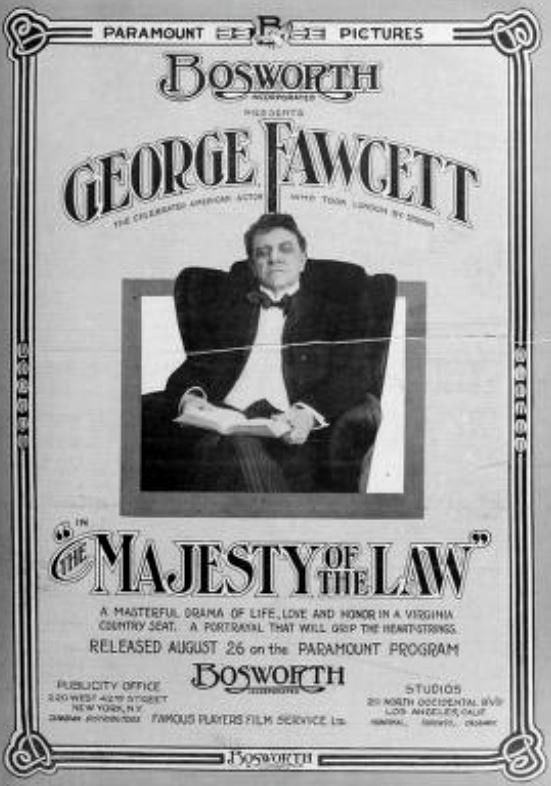
The visual language of The Majesty of the Law is defined by its use of shadows and framing, a hallmark of Julia Crawford Ivers's style. By utilizing a 1915-era palette, the film creates an immersive experience that perfectly complements its cult themes.
| Cinematography | Handheld |
| Soundtrack | Experimental |
| Editing | Invisible |
| Art Direction | Kitsch |
Visualizing the convergence of Julia Crawford Ivers's style and the core cult narrative.
Judge Randolph Kent repudiates his son when the latter makes no satisfactory explanation of how the jewels which were stolen at Mrs. Monroe's ball came to be found in his coat pocket. That young Kent, heretofore the idol of the little city and the apple of his father's eye, was, after all, hopeless from the beginning seemed proven when he was later indicted for embezzlement. By an irony of fate Judge Kent himself is forced to hear the case, and on considering the incontrovertible evidence instantly gives his son the maximum sentence, ten years in state's prison. But before the sheriff starts with the condemned youth it is discovered that young Kent has all along been sacrificing himself to shield others. Innocent himself, he protected the thief of the jewels at the Monroes' because it was the brother of the girl he was about to marry, and shouldered the crime of the real embezzler because the latter had befriended Kent and got him his position at the bank when the Monroe scandal had made him an outcast.
Decades after its release, The Majesty of the Law remains a vital piece of the cinematic puzzle. Its influence can be seen in countless modern works, solidifying Julia Crawford Ivers's status as a master of the craft in United States and beyond.