Summary
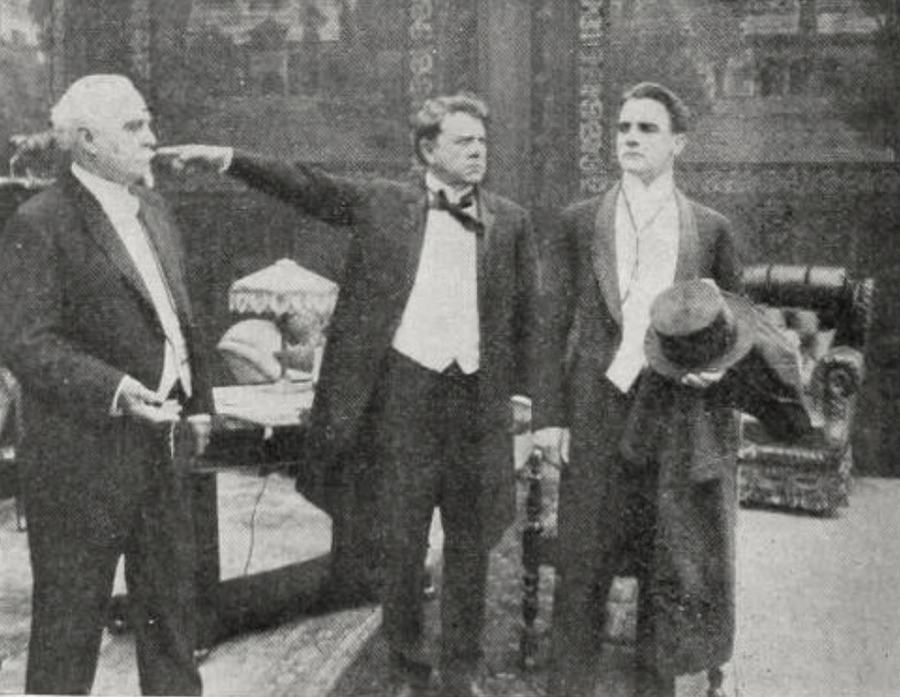
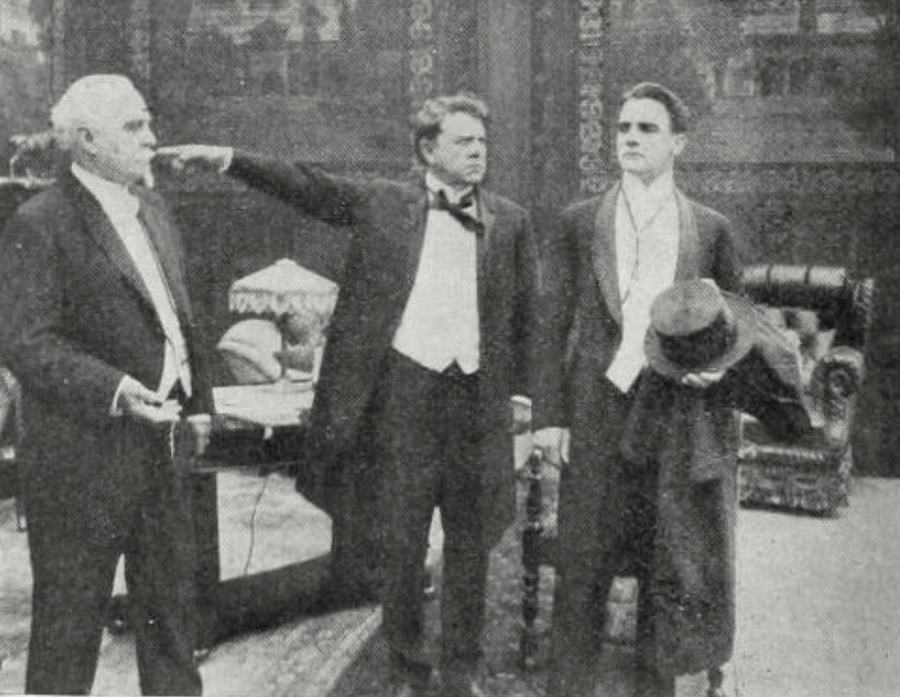
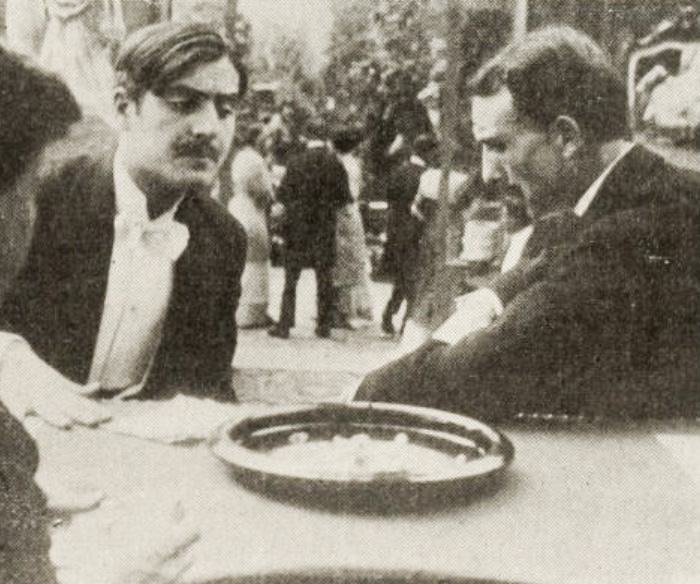
In a gilded courtroom where gaslight trembles against mahogany like remorse, Judge Randolph Kent—pillar of probity—presides over the public disembowelment of his only child. The narrative pirouettes through a ballroom waltz at the Monroes’ mansion: diamonds spill from décolletages, champagne flutes catch chandeliers in crystalline fractures, and by dawn the jewels have vanished, only to resurface in young Kent’s overcoat like serpents coiled in Eden. Rumor metastasizes into indictment; the judge’s gavel falls with the finality of a guillotine. Yet beneath the verdict lies a palimpsest of self-immolation: the boy has stitched himself into a hairshirt of silence, shielding both his fiancée’s dissolute brother and the bank clerk who once threw him a lifeline when scandal had already tarred the Kent name. As cell doors clang shut, the town’s admiration curdles into Schadenfreude, and the father’s granite visage fissures under the weight of absolute justice mis-delivered. Only when the last key turns does the truth unspool—inked in sacrifice, sealed in filial piety—forcing judge, townsfolk, and audience alike to confront the vertiginous chasm between legality and mercy.
Synopsis
Judge Randolph Kent repudiates his son when the latter makes no satisfactory explanation of how the jewels which were stolen at Mrs. Monroe's ball came to be found in his coat pocket. That young Kent, heretofore the idol of the little city and the apple of his father's eye, was, after all, hopeless from the beginning seemed proven when he was later indicted for embezzlement. By an irony of fate Judge Kent himself is forced to hear the case, and on considering the incontrovertible evidence instantly gives his son the maximum sentence, ten years in state's prison. But before the sheriff starts with the condemned youth it is discovered that young Kent has all along been sacrificing himself to shield others. Innocent himself, he protected the thief of the jewels at the Monroes' because it was the brother of the girl he was about to marry, and shouldered the crime of the real embezzler because the latter had befriended Kent and got him his position at the bank when the Monroe scandal had made him an outcast.
Review Excerpt
"
A gavel cracks like winter ice across the soundtrack of silence; the screen, tinted cobalt, holds the afterimage of familial bloodsport.
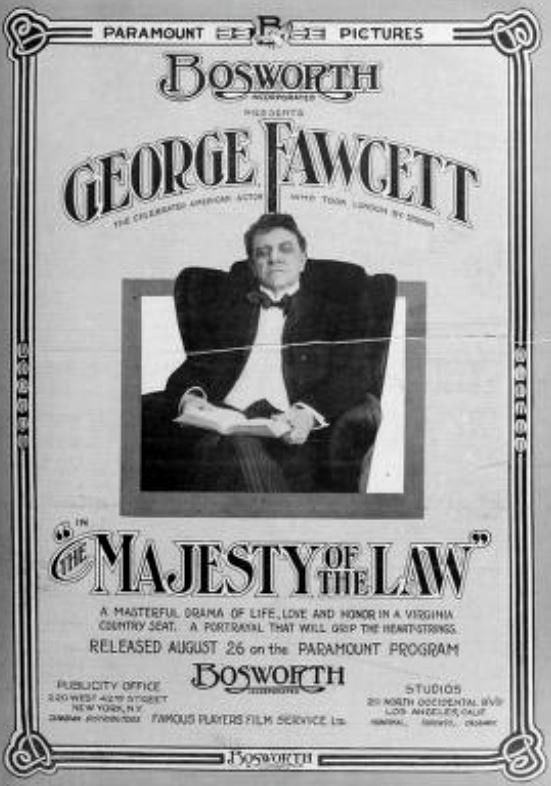
Julia Crawford Ivers’ The Majesty of the Law (1915) arrives as a lacquered time-capsule of American Puritan dread, yet its emotional valence vibrates with a frequency that feels almost radioactive today. Imagine a melodrama that has gorged itself on Sophoclean irony, then fasted on the austere Calvinism of a small-town Sabbath; what remains is a narrative so..."