
DbcultAccessing Vault...
Director's Spotlight
Senior Film Conservator
Director's Spotlight: United States
A Deep Dive into the 1919 Vision of Julius Steger
Few works in United States cinema carry the same weight as The Hidden Truth, especially regarding the cultural zeitgeist captured so perfectly by Julius Steger in 1919. Utilizing a 1919-specific aesthetic that remains timeless, it serves as a blueprint for future generations of cult directors.
In The Hidden Truth, Julius Steger pushes the boundaries of conventional narrative. The film's unique approach to its subject matter has sparked endless debates and interpretations among cinephiles and critics alike.
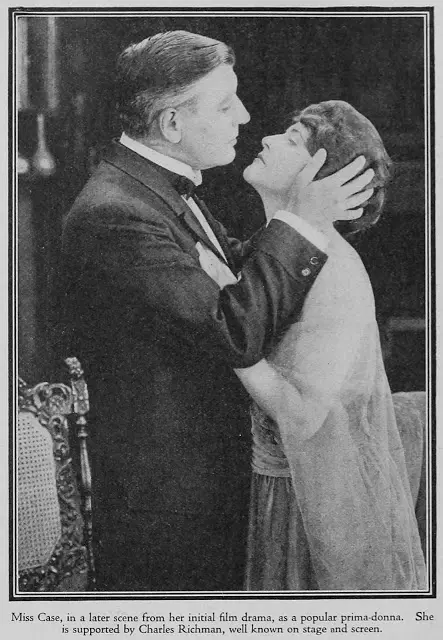
The visual language of The Hidden Truth is defined by its use of shadows and framing, a hallmark of Julius Steger's style. By utilizing a 1919-era palette, the film creates an immersive experience that perfectly complements its cult themes.
| Cinematography | Handheld |
| Soundtrack | Diegetic |
| Editing | Rhythmic |
| Art Direction | Naturalist |
Visualizing the convergence of Julius Steger's style and the core cult narrative.
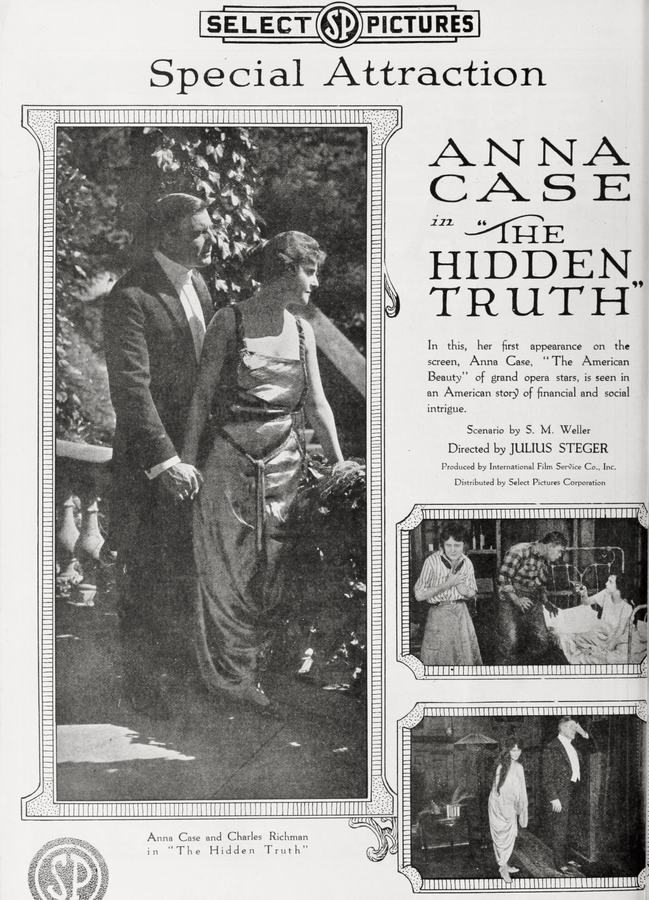
Helen Merrill sings and dances in the rough Western mining town of Nugget City, where she befriends Myrtle Cadby, whose husband Jake cruelly abuses her. After a particularly vicious beating, Myrtle, seriously injured, shoots Jake. As she lies dying, she gives Helen a letter of introduction to a man she was to have married in the East, urging her to leave Nugget City. Before she leaves, Helen overhears Bill Sheridan and "Snipe" Roach scheming to sell Charles Taylor, a wealthy New Yorker, a salted mine, with the assistance of George Reed, Taylor's mining agent. Helen goes East and learns that Taylor is the man whom Myrtle was to have married, but because she immediately falls in love with him, she conceals her own identity and masquerades as Myrtle. Reed returns East and discloses her identity to Taylor, who denounces her, but when she prevents him from being swindled, he begs her forgiveness and asks her for her hand in marriage.
Decades after its release, The Hidden Truth remains a vital piece of the cinematic puzzle. Its influence can be seen in countless modern works, solidifying Julius Steger's status as a master of the craft in United States and beyond.