
DbcultAccessing Vault...
Director's Spotlight
Senior Film Conservator
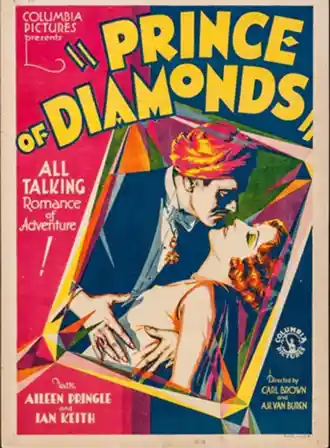
Director's Spotlight: United States
A Deep Dive into the 1930 Vision of Karl Brown
The artistic breakthrough represented by Prince of Diamonds in 1930 highlights the uncompromising vision of Karl Brown that defines this Crime masterpiece. In the context of United States's rich cinematic history, it captures a specific kind of cinematic magic that is rarely replicated.
In Prince of Diamonds, Karl Brown pushes the boundaries of conventional narrative. The film's unique approach to its subject matter has sparked endless debates and interpretations among cinephiles and critics alike.
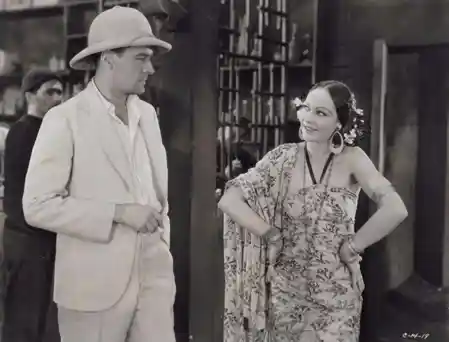
To fully appreciate Prince of Diamonds, one must consider the cinematic climate of 1930. During this period, United States was undergoing significant artistic shifts, and Karl Brown was at the forefront of this Crime movement, often challenging established norms.
| Cinematography | Deep Focus |
| Soundtrack | Orchestral |
| Editing | Invisible |
| Art Direction | Kitsch |
Visualizing the convergence of Karl Brown's style and the core Crime narrative.
Eve Marley (Aileen Pringle)is forced to marry a wealthy jeweler that she does not love in order to save the man she loves, Rupert Endon (Ian Keith), from being unjustly arrested as a thief. Rupert, unaware of the reason his sweetheart married his rival, goes to the Far East where he grows rich after discovering a diamond mine. He breaks Eve's husband by underselling him and then returns to England to exact his revenge on the woman he thinks did him wrong.
Decades after its release, Prince of Diamonds remains a vital piece of the cinematic puzzle. Its influence can be seen in countless modern works, solidifying Karl Brown's status as a master of the craft in United States and beyond.