
DbcultAccessing Vault...
Director's Spotlight
Senior Film Conservator
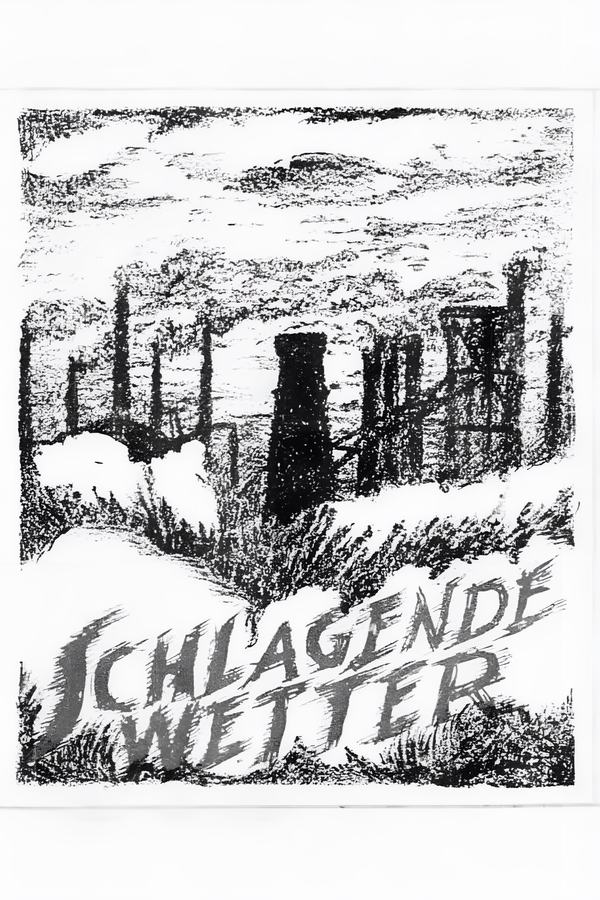
Director's Spotlight: Germany
A Deep Dive into the 1923 Vision of Karl Grune
The thematic gravity of Schlagende Wetter (1923) is rooted in the historical context that Karl Grune weaves into the Drama fabric. Synthesizing the best elements of Germany and international cinema, it highlights the importance of independent voices in Germany.
In Schlagende Wetter, Karl Grune pushes the boundaries of conventional narrative. The film's unique approach to its subject matter has sparked endless debates and interpretations among cinephiles and critics alike.
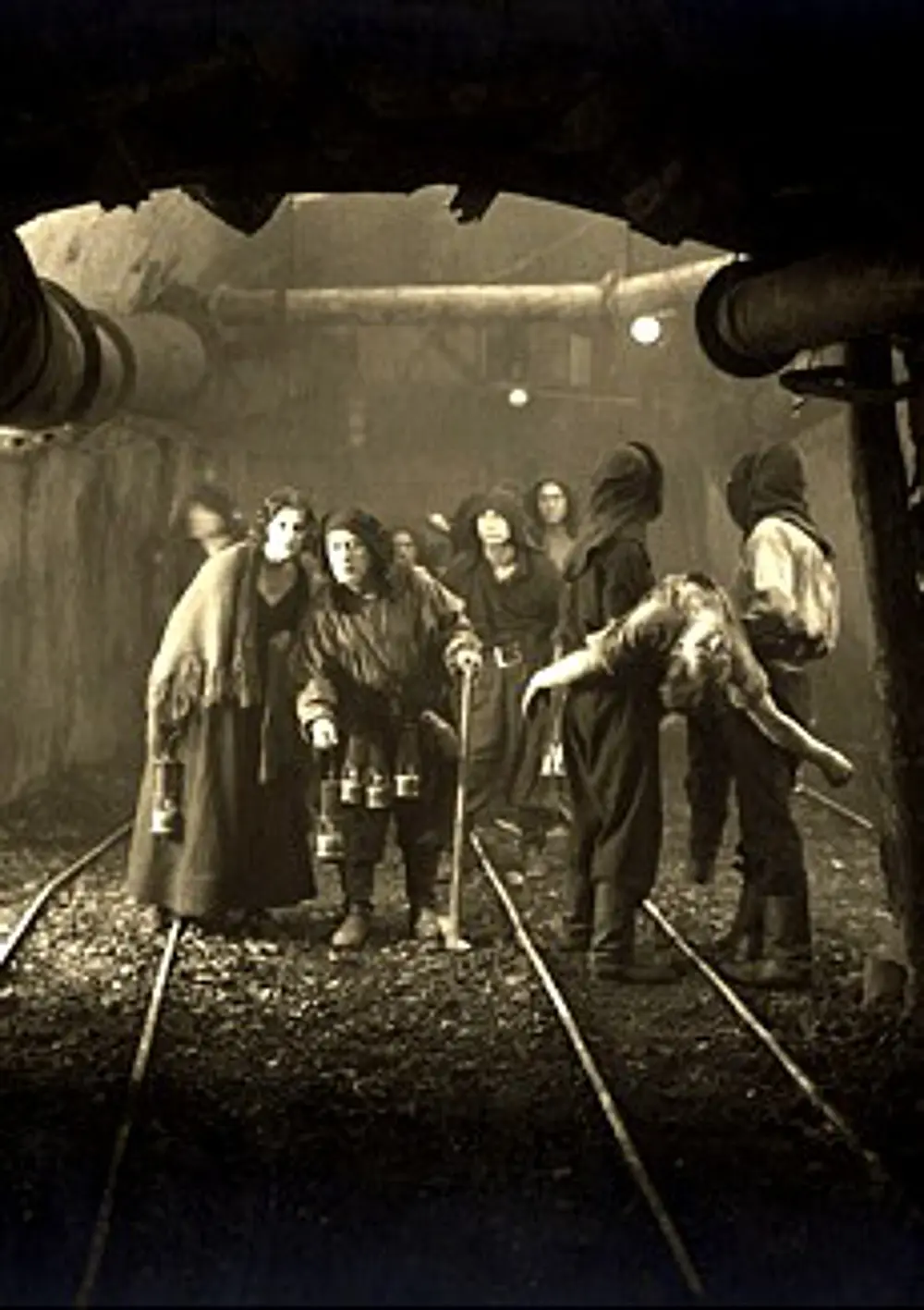
The visual language of Schlagende Wetter is defined by its use of shadows and framing, a hallmark of Karl Grune's style. By utilizing a 1923-era palette, the film creates an immersive experience that perfectly complements its Drama themes.
| Cinematography | Deep Focus |
| Soundtrack | Diegetic |
| Editing | Elliptical |
| Art Direction | Expressionist |
Visualizing the convergence of Karl Grune's style and the core Drama narrative.
After the revelation that Georg has seduced her, Maria is driven away by her father. Georg, fearing the wrath of Maria's father, has swiftly abandoned the girl and left for the mining town of Sankt Anton, where he expects to hide easily amongst the large population of colliers. Maria must care for herself, and ends up in Sankt Anton, where she attempts to rebuild her life. There, she gets to know Thomas, and soon the young people are engaged. When Georg and Maria meet again, drama ensues.
Decades after its release, Schlagende Wetter remains a vital piece of the cinematic puzzle. Its influence can be seen in countless modern works, solidifying Karl Grune's status as a master of the craft in Germany and beyond.