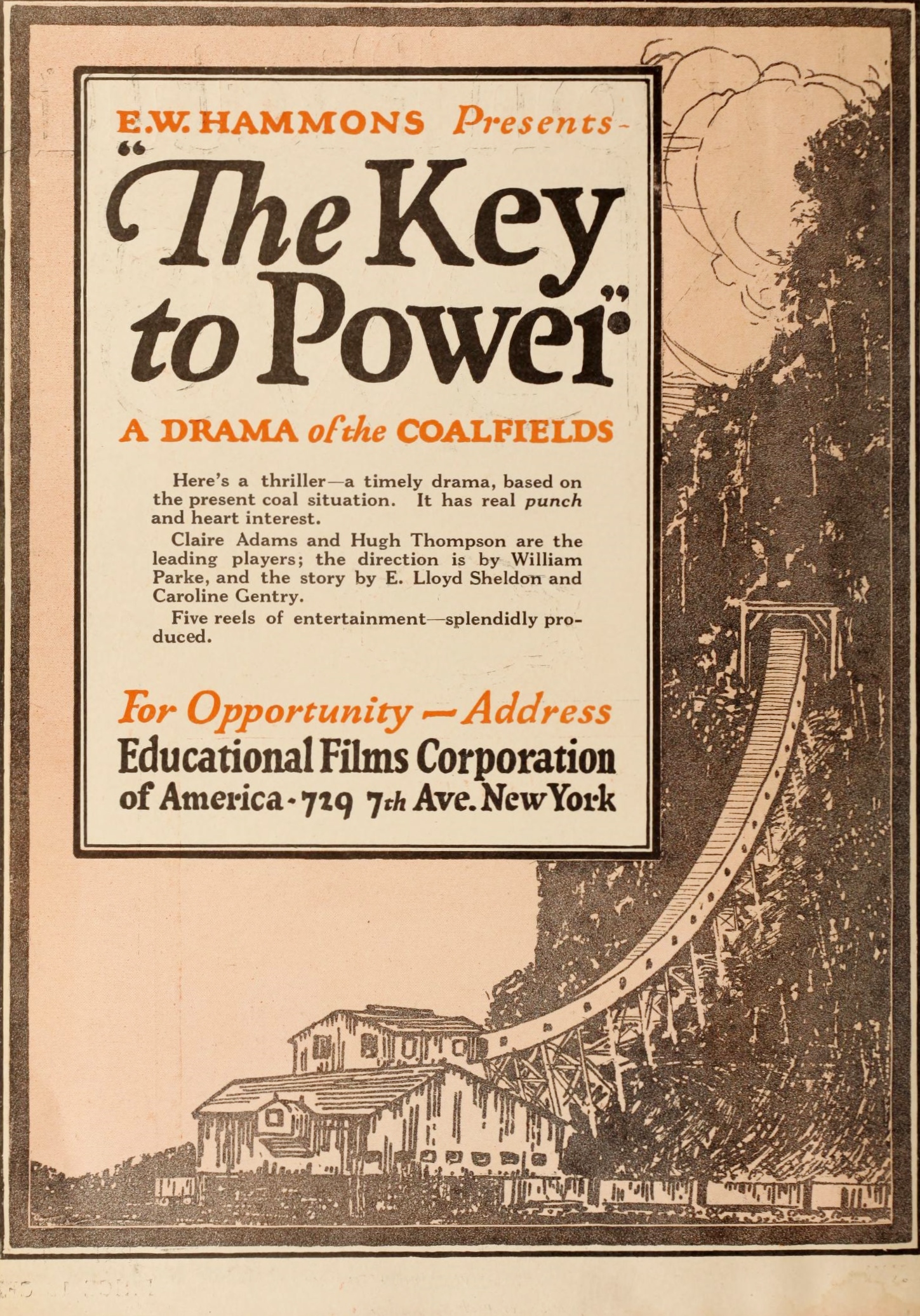
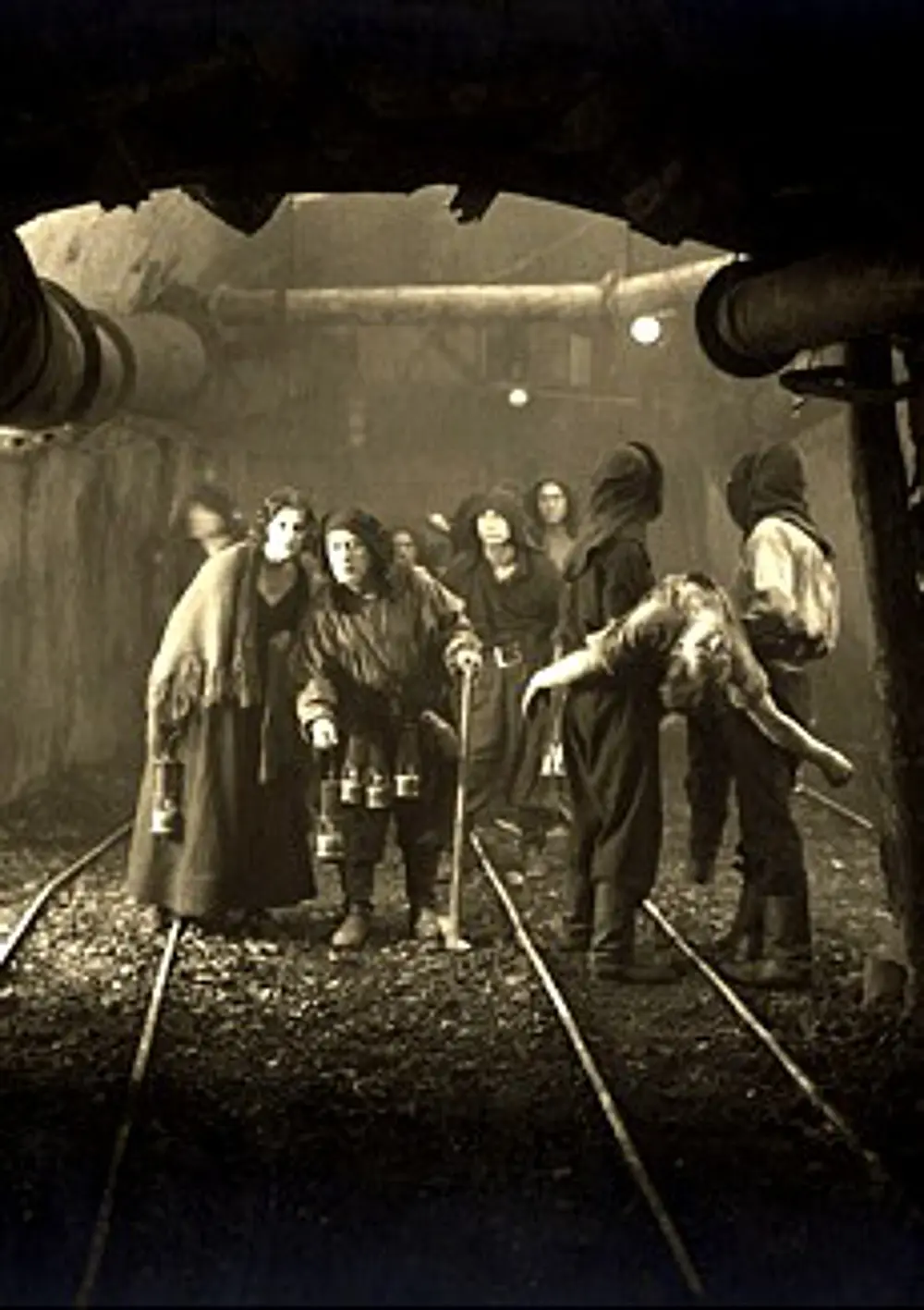
After the revelation that Georg has seduced her, Maria is driven away by her father. Georg, fearing the wrath of Maria's father, has swiftly abandoned the girl and left for the mining town of Sankt Anton, where he expects to hide easily amongst the large population of colliers.
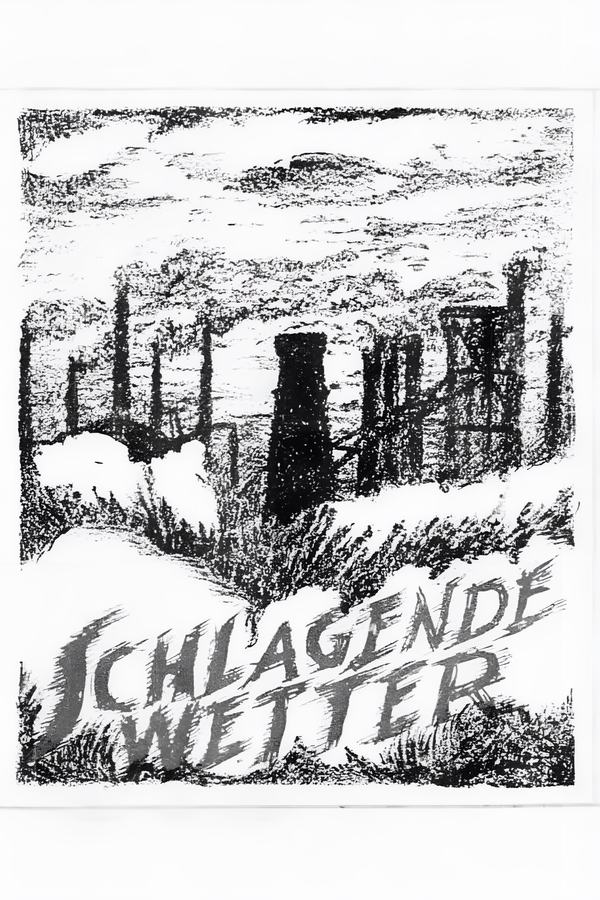
The year 1923 remains a watershed moment for German cinema, a period where the jagged silhouettes of Expressionism began to soften into the gritty, tactile reality of Neue Sachlichkeit. At the heart of this transition stands Karl Grune’s Schlagende Wetter (Explosive Fumes), a film that manages to be both a haunt...
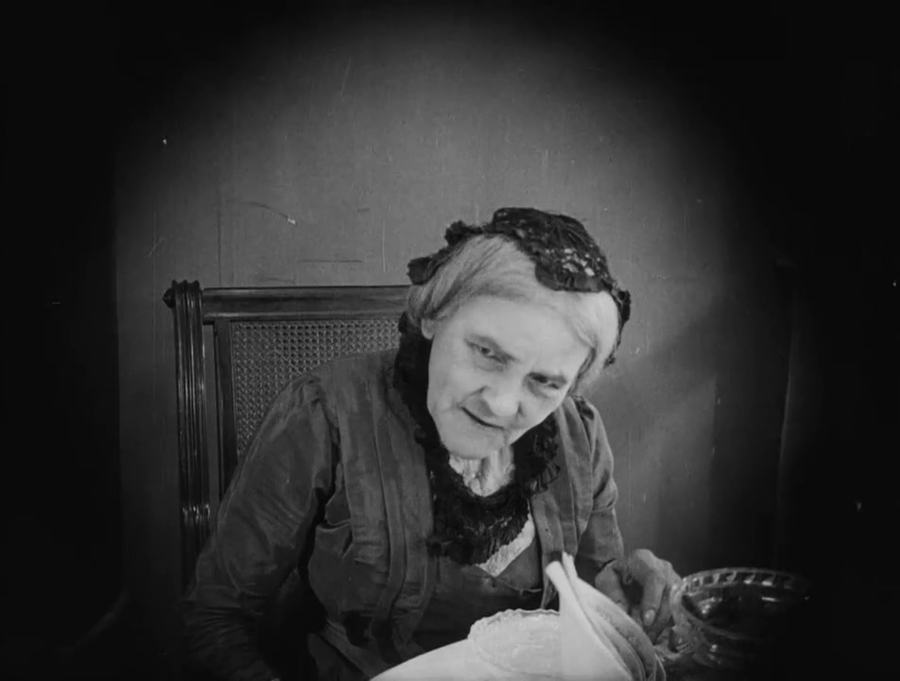
still_frame


Comparing the cinematic DNA and archive impact of two defining moments in cult history.
Karl Grune
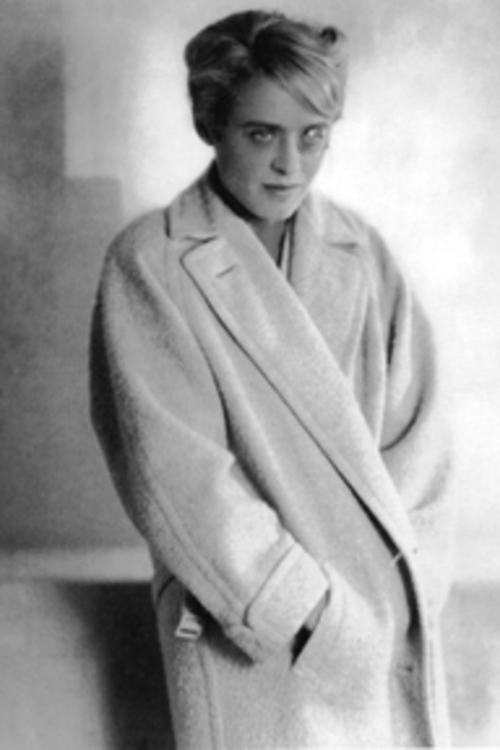
Karl Grune
Community
Log in to comment.
" The year 1923 remains a watershed moment for German cinema, a period where the jagged silhouettes of Expressionism began to soften into the gritty, tactile reality of Neue Sachlichkeit. At the heart of this transition stands Karl Grune’s Schlagende Wetter (Explosive Fumes), a film that manages to be both a haunting character study and a monumental piece of industrial art. While many contemporary critics fixate on the urban nightmares of Fritz Lang, Grune turns his lens toward the earth it..."
Max Jungk, Julius Urgiss
Germany


Deep dive into the cult classic
Discover similar cinematic experiences
A Directorial Spotlight on Karl Grune