
DbcultAccessing Vault...
Director's Spotlight
Senior Film Conservator
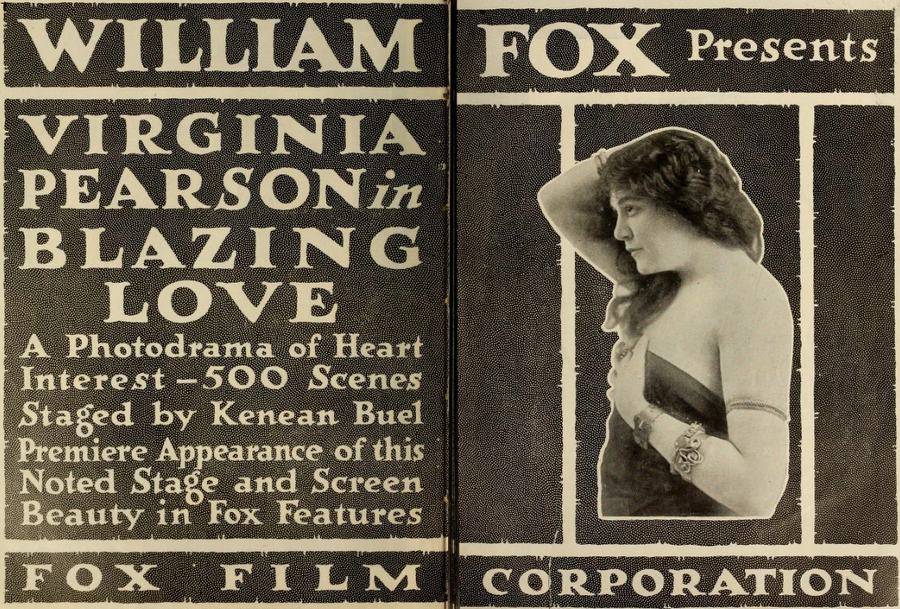
Director's Spotlight: United States
A Deep Dive into the 1916 Vision of Kenean Buel
Witnessing the stylistic transformation of cult through Blazing Love reveals the provocative questions that Kenean Buel poses to the United States audience. Exploring the nuances of the human condition with cult flair, it showcases the power of cult as a tool for social commentary.
In Blazing Love, Kenean Buel pushes the boundaries of conventional narrative. The film's unique approach to its subject matter has sparked endless debates and interpretations among cinephiles and critics alike.
To fully appreciate Blazing Love, one must consider the cinematic climate of 1916. During this period, United States was undergoing significant artistic shifts, and Kenean Buel was at the forefront of this cult movement, often challenging established norms.
| Cinematography | Static |
| Soundtrack | Orchestral |
| Editing | Slow-Burn |
| Art Direction | Brutalist |
Visualizing the convergence of Kenean Buel's style and the core cult narrative.
Young Margaret Walsh's husband dies while on a polar expedition. Grief-stricken, she consents to marry Morgan Delafield, a much-older man who is a close friend of her father. However, it's not long before she falls in love with Stephen Bond, a man who's actually younger than she is. While she tries to resist her feelings for Stephen to not endanger her marriage, gossip about the pair nevertheless begins to make the rounds, with unintended consequences for all concerned.
Decades after its release, Blazing Love remains a vital piece of the cinematic puzzle. Its influence can be seen in countless modern works, solidifying Kenean Buel's status as a master of the craft in United States and beyond.