
DbcultAccessing Vault...
Director's Spotlight
Senior Film Conservator
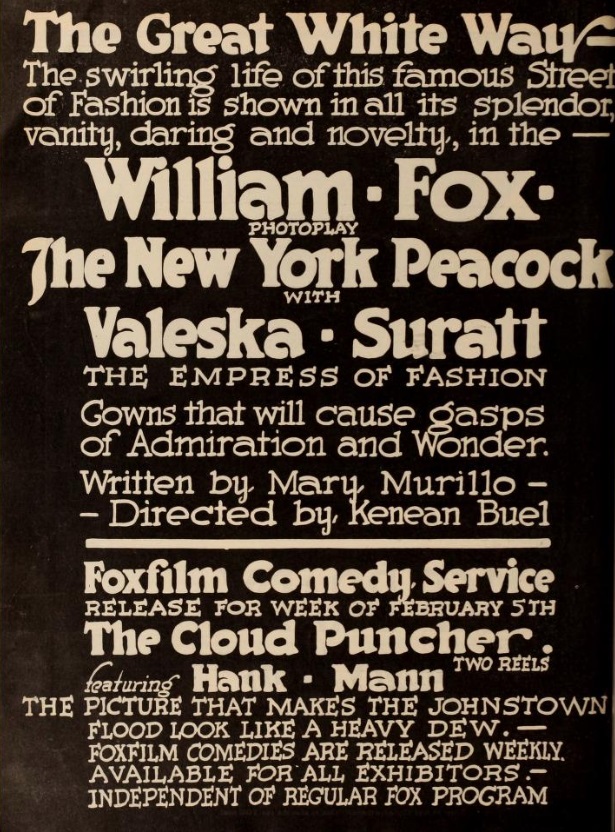
Director's Spotlight: United States
A Deep Dive into the 1917 Vision of Kenean Buel
When we examine the cinematic landscape of United States, The New York Peacock emerges as a landmark work of the enduring legacy of Kenean Buel's artistic contribution to the genre. Through a lens of existential fatalism and cult tropes, it captures a specific kind of cinematic magic that is rarely replicated.
In The New York Peacock, Kenean Buel pushes the boundaries of conventional narrative. The film's unique approach to its subject matter has sparked endless debates and interpretations among cinephiles and critics alike.
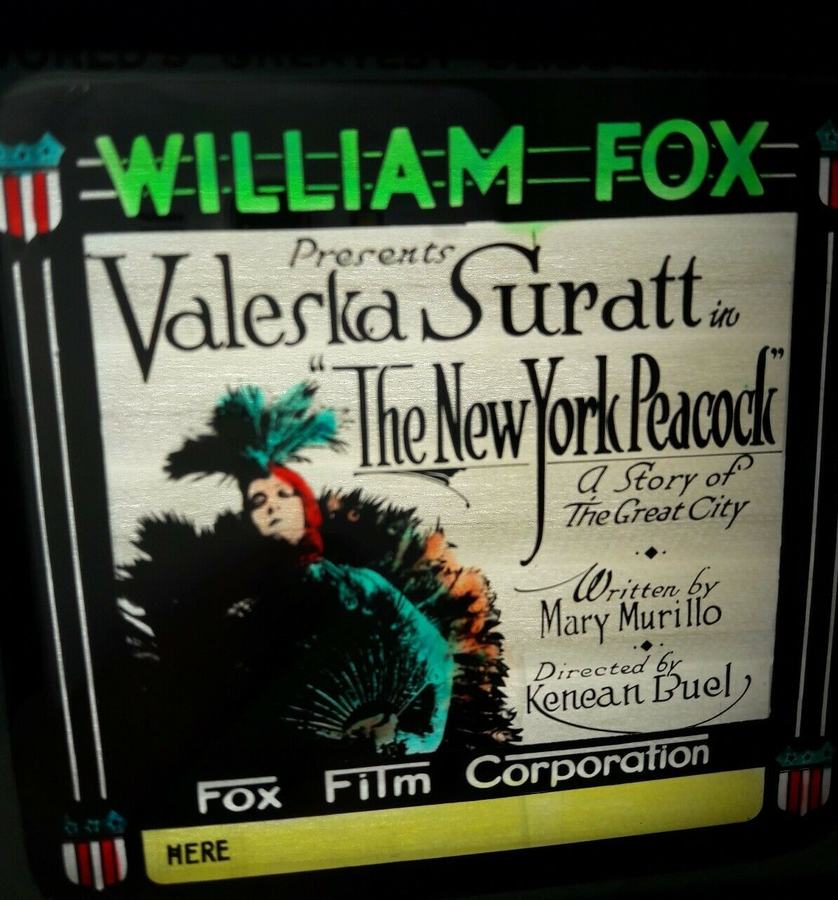
While deeply rooted in United States, The New York Peacock has achieved a global reach, influencing directors from various backgrounds. Its ability to translate cult tropes into a universal cinematic language is why it remains a cult staple decades after its 1917 release.
| Cinematography | Handheld |
| Soundtrack | Minimalist |
| Editing | Slow-Burn |
| Art Direction | Brutalist |
Visualizing the convergence of Kenean Buel's style and the core cult narrative.
Billy Martin is sent to New York to put through a war contract for his father, a new England manufacturer, and takes $100,000 as a security. The munition broker's secretary, a crook, tells Graham, a gambling house keeper, of Billy's coming. Miller is detailed to lure him to the gambling house. Miller, posing as the broker's representative, meets Billy and offers to show him New York life. He meets Zena and is so captivated that he consents to try his luck at the roulette wheel. After his first success he loses rapidly. At last Zena drags him away with only $15,000 left. Zena repentant, tries to comfort Billy. She finds he is determined to win back his losses and is captivated by his pluck. Reluctantly she takes him to the gambling house. Billy loses all. When the mail brings no word from Billy, his wife comes to New York. She enters his room just after he and Zena arrive. Zena hides in a closet. Billy refuses to return with his wife until he has recovered his father's money. Zeena returns to her apartment. Graham accuses her of double-crossing him. She orders him to leave. Zena sets out to recover Billy's money, and returns to the gambling house. Graham thinks she has repented. Martin comes to New York for Billy. Zena picks him out as the man from whom to get the money. She lures him to her den. Billy calls up, and when Zena recognizes his voice she hangs up. Suspecting Zena has deceived him Billy rushes to the apartment and finds her embracing his father. Zena rushes to him. Billy casts her off. Martin tells Billy he did this to show the treachery of Zena's love. Heaping abuse on Zena, who sees her one true love lost, Billy leaves with his father. Zena in remorse leaves her old home and life, a wreck. Billy asks his father's forgiveness. "I forgive you," says the old man, "but I can't forget that I trusted you."
Decades after its release, The New York Peacock remains a vital piece of the cinematic puzzle. Its influence can be seen in countless modern works, solidifying Kenean Buel's status as a master of the craft in United States and beyond.