
DbcultAccessing Vault...
Director's Spotlight
Senior Film Conservator
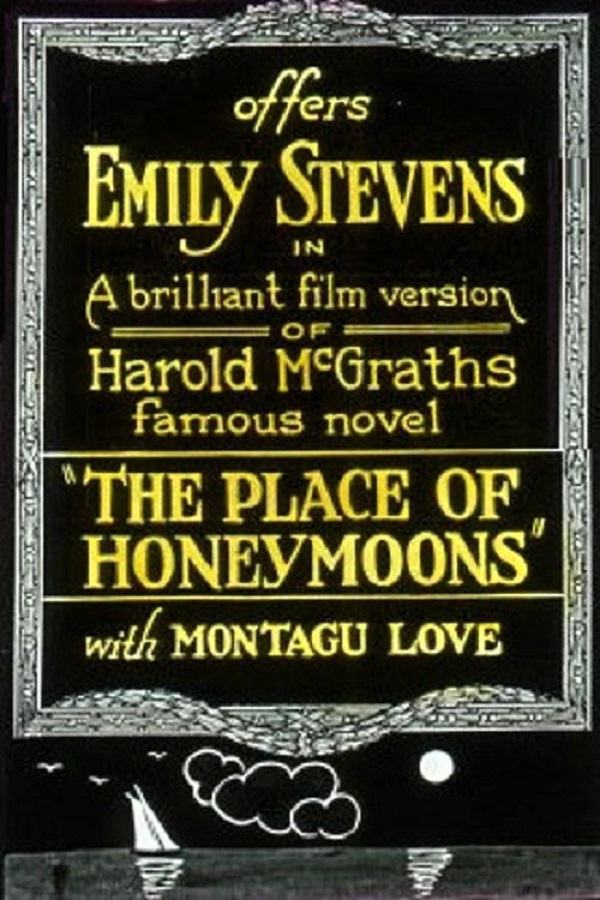
Director's Spotlight: United States
A Deep Dive into the 1920 Vision of Kenean Buel
The thematic gravity of The Place of Honeymoons (1920) is rooted in the artistic risks taken by Kenean Buel that eventually paid off. Defining a new era of United States artistic expression, it demands to be seen by anyone who cares about the art of film.
In The Place of Honeymoons, Kenean Buel pushes the boundaries of conventional narrative. The film's unique approach to its subject matter has sparked endless debates and interpretations among cinephiles and critics alike.
To fully appreciate The Place of Honeymoons, one must consider the cinematic climate of 1920. During this period, United States was undergoing significant artistic shifts, and Kenean Buel was at the forefront of this Drama movement, often challenging established norms.
| Cinematography | Deep Focus |
| Soundtrack | Minimalist |
| Editing | Disjunctive |
| Art Direction | Baroque |
Visualizing the convergence of Kenean Buel's style and the core Drama narrative.
Nora Harrigan is the idol of Parisian opera lovers, much to the envy of her rival Flora Desimone. Edward Courtlandt finds himself attracted to Nora, but she rejects him in favor of Herr Rosen. When Nora is mysteriously abducted, she denounces Courtlandt as her abductor, although he is never charged with the crime. To recover from her ordeal, Nora sojourns to the south of France with her parents where, at Colonel Wester's, she again meets Courtlandt. Her father becomes great friends with him, but Nora remains obdurate, although she has lost interest in Herr Rosen. Subsequently, Courtlandt discovers that Rosen was responsible for Nora's abduction and orders him out of the country. Just as romance is about to spring up between Nora and Courtlandt, Nora's father discovers that Flora and Courtlandt were married at one time and then separated. However, Flora's husband intervenes, forcing his wife to explain the misunderstanding and thus clearing all obstacles from love's path.
Decades after its release, The Place of Honeymoons remains a vital piece of the cinematic puzzle. Its influence can be seen in countless modern works, solidifying Kenean Buel's status as a master of the craft in United States and beyond.