
DbcultAccessing Vault...
Director's Spotlight
Senior Film Conservator
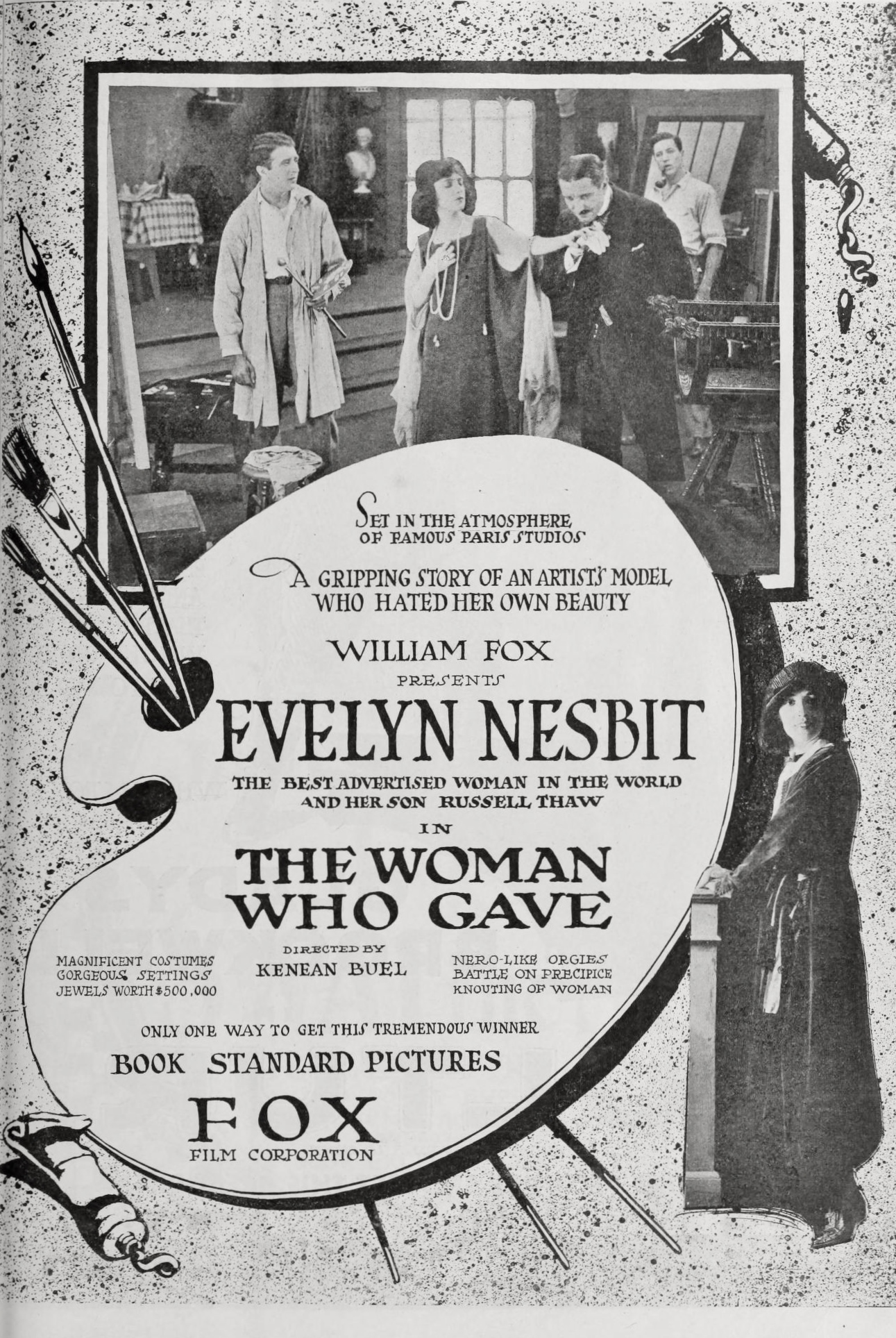
Director's Spotlight: United States
A Deep Dive into the 1918 Vision of Kenean Buel
Exploring the cult underpinnings of The Woman Who Gave leads us to the uncompromising vision of Kenean Buel that defines this cult masterpiece. Melding the raw energy of United States with a global cult appeal, it echoes the profound changes occurring in United States during that era.
In The Woman Who Gave, Kenean Buel pushes the boundaries of conventional narrative. The film's unique approach to its subject matter has sparked endless debates and interpretations among cinephiles and critics alike.
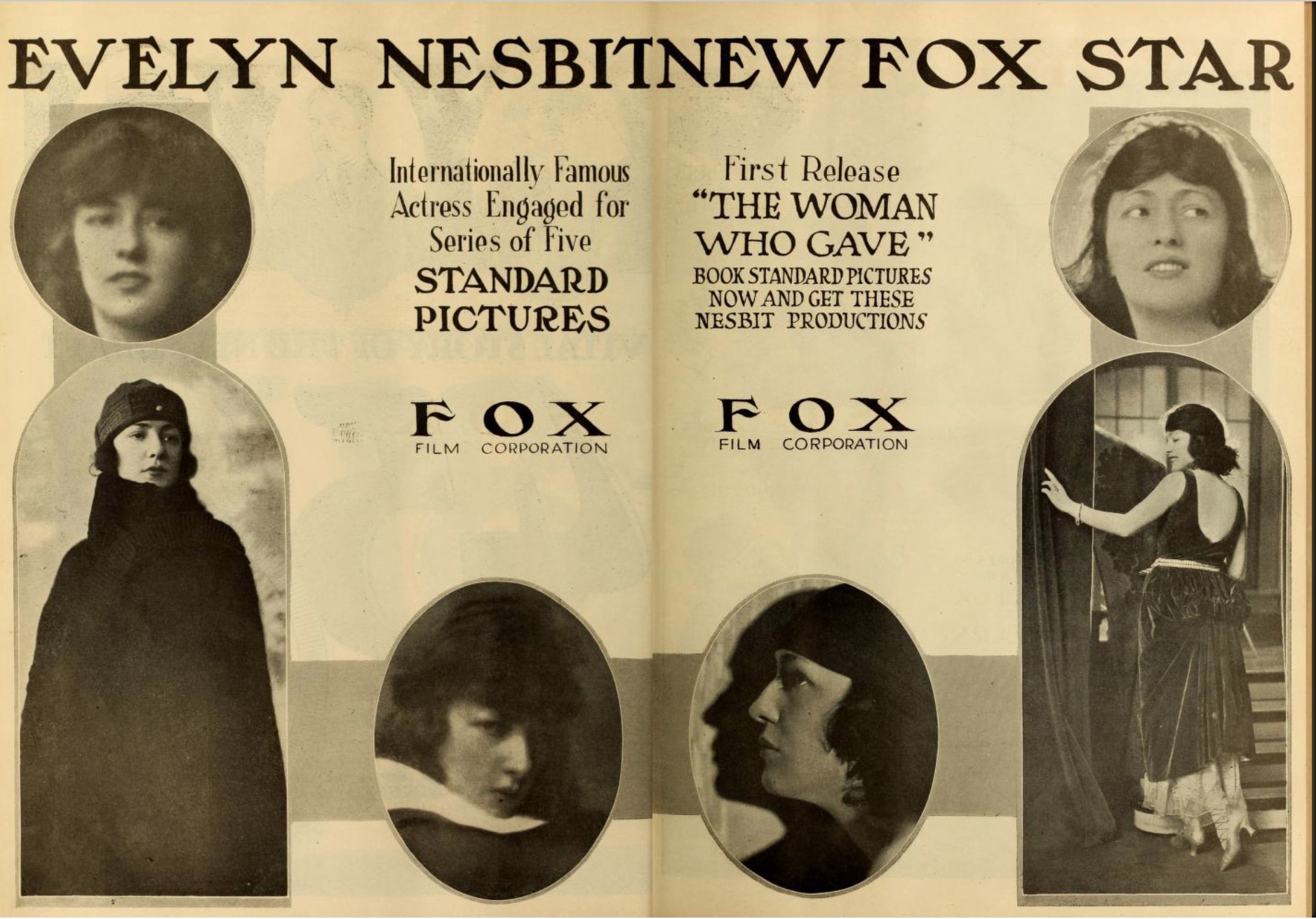
While deeply rooted in United States, The Woman Who Gave has achieved a global reach, influencing directors from various backgrounds. Its ability to translate cult tropes into a universal cinematic language is why it remains a cult staple decades after its 1918 release.
| Cinematography | Static |
| Soundtrack | Orchestral |
| Editing | Invisible |
| Art Direction | Kitsch |
Visualizing the convergence of Kenean Buel's style and the core cult narrative.
Colette is a model who poses for two artist brothers, Don and Andrien Walcott. Andrien, a hunchback, creates a beautiful portrait of her which is seen by evil Bulgarian Prince Vacarra. The prince tracks her down and locks her in.
Decades after its release, The Woman Who Gave remains a vital piece of the cinematic puzzle. Its influence can be seen in countless modern works, solidifying Kenean Buel's status as a master of the craft in United States and beyond.