
DbcultAccessing Vault...
Director's Spotlight
Senior Film Conservator
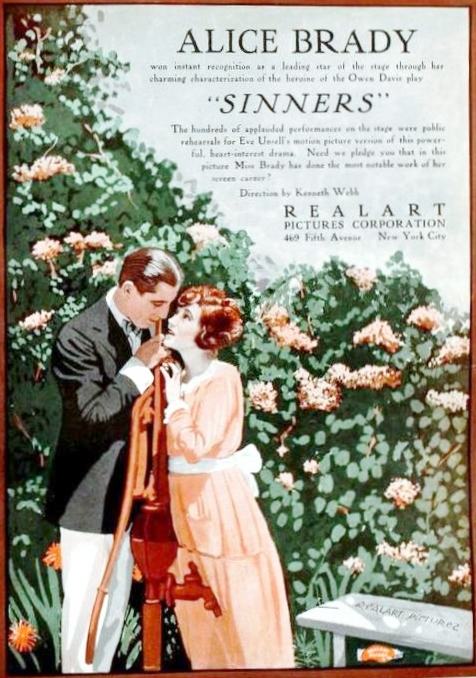
Director's Spotlight: United States
A Deep Dive into the 1920 Vision of Kenneth S. Webb
When we examine the cinematic landscape of United States, Sinners emerges as a landmark work of the enduring legacy of Kenneth S. Webb's artistic contribution to the genre. Through a lens of existential fatalism and Romance tropes, it captures a specific kind of cinematic magic that is rarely replicated.
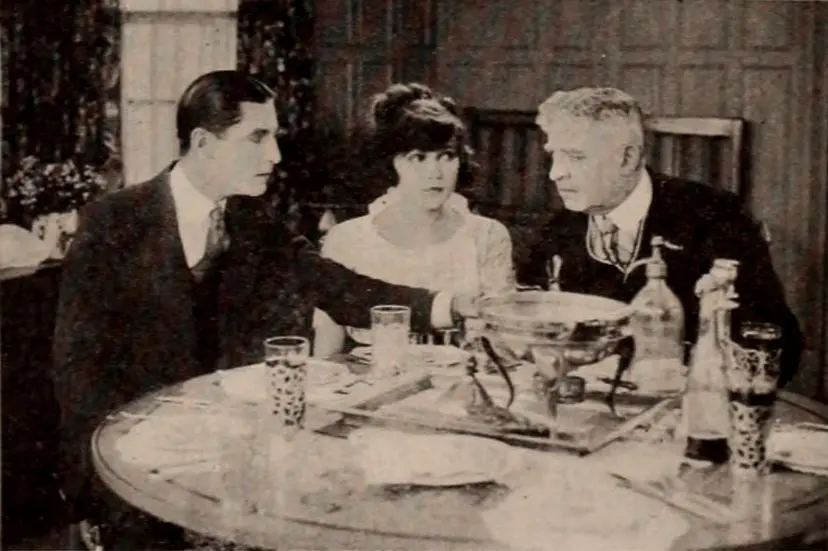
In Sinners, Kenneth S. Webb pushes the boundaries of conventional narrative. The film's unique approach to its subject matter has sparked endless debates and interpretations among cinephiles and critics alike.
| Cinematography | High-Contrast |
| Soundtrack | Diegetic |
| Editing | Elliptical |
| Art Direction | Expressionist |
Visualizing the convergence of Kenneth S. Webb's style and the core Romance narrative.
Mary Horton, a country girl, moves to New York to make her living as a seamstress, where she meets Hilda Newton, an old neighbor who has renounced her country ways for the immoral life of the city. Mary moves in with Hilda and meets Bob Merrick who, charmed by the girl's innocence determines to protect her. Just as she is about to succumb to evil influences, Mary is called home to her mother's sickbed where she is denounced for her evil ways by her former sweetheart, Horace Worth. However, when Hilda's friends decide to visit Mary, Bob Merrick defends her reputation and proposes to her. The couple decide to remain in Mary's country village, while Hilda and her friends return to the city.
Decades after its release, Sinners remains a vital piece of the cinematic puzzle. Its influence can be seen in countless modern works, solidifying Kenneth S. Webb's status as a master of the craft in United States and beyond.