
DbcultAccessing Vault...
Director's Spotlight
Senior Film Conservator
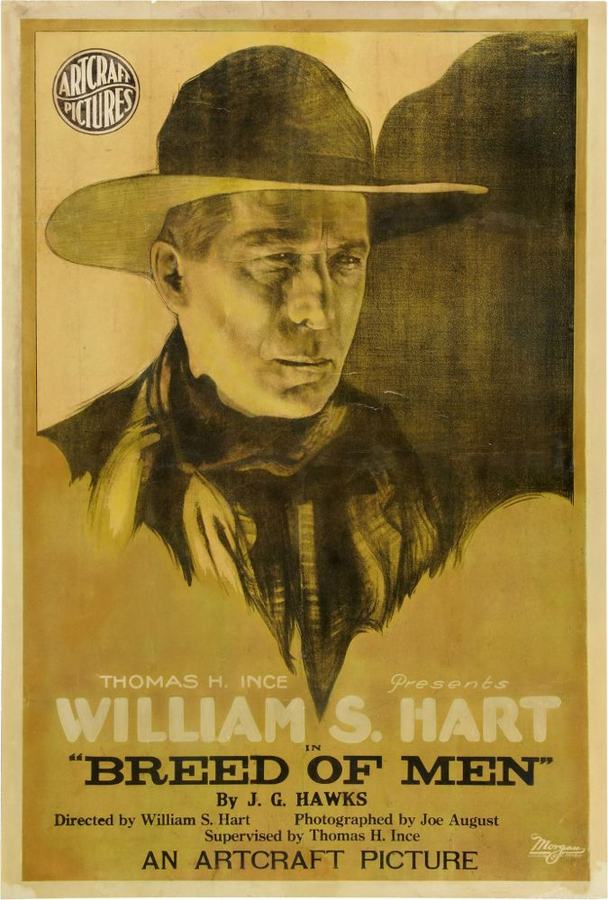
Director's Spotlight: United States
A Deep Dive into the 1919 Vision of Lambert Hillyer
The artistic breakthrough represented by Breed of Men in 1919 highlights the philosophical inquiries that Lambert Hillyer embeds within the narrative. Framed by the hauntingly beautiful landscapes of the production, it leaves an indelible mark on the soul of the viewer.
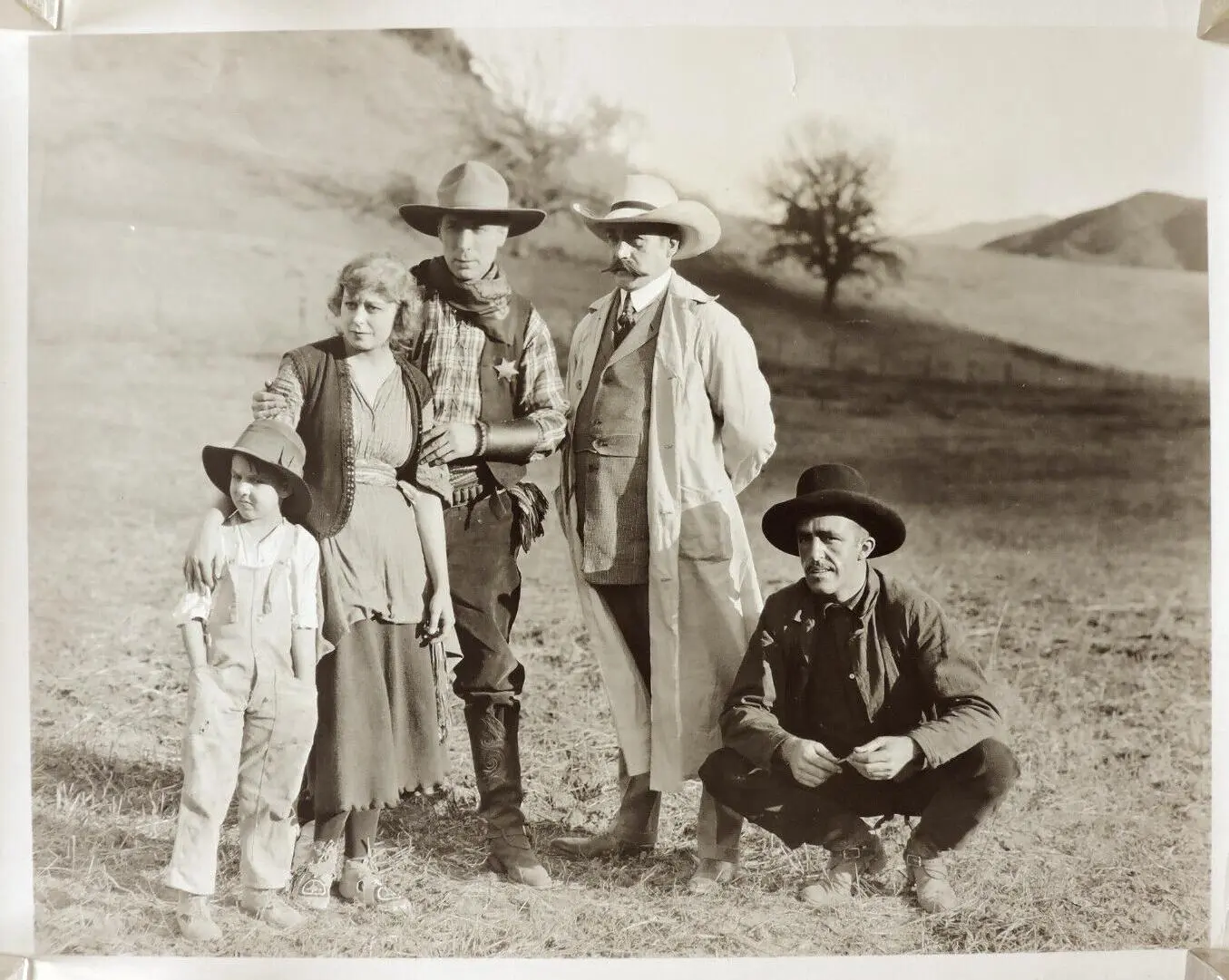
In Breed of Men, Lambert Hillyer pushes the boundaries of conventional narrative. The film's unique approach to its subject matter has sparked endless debates and interpretations among cinephiles and critics alike.
| Cinematography | Handheld |
| Soundtrack | Minimalist |
| Editing | Disjunctive |
| Art Direction | Baroque |
Visualizing the convergence of Lambert Hillyer's style and the core cult narrative.
After losing his money and horse in the trail town of Chloride, Arizona, in a crooked faro game run by Wes Prentice, the owner of of the local land company, cowboy Careless Carmody becomes sheriff of Chloride. Unknown to Carmody, Prentice is selling land that has no titles to naive settlers, then reselling the land to other buyers. After saving pretty young Ruth Fellows from the unwanted attentions of a local ruffian, Carmody finds himself more and more attracted to her. However, things take a turn for the worse when Prentice has Carmody serve Ruth with papers throwing her off the land he has just sold her. Complications ensue.
Decades after its release, Breed of Men remains a vital piece of the cinematic puzzle. Its influence can be seen in countless modern works, solidifying Lambert Hillyer's status as a master of the craft in United States and beyond.