
DbcultAccessing Vault...
Director's Spotlight
Senior Film Conservator
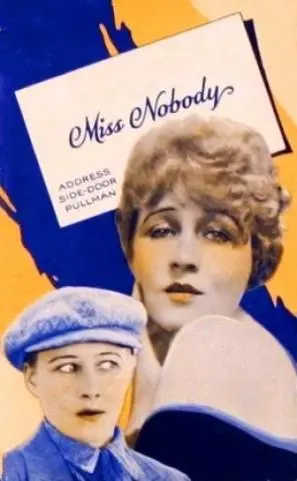
Director's Spotlight: United States
A Deep Dive into the 1926 Vision of Lambert Hillyer
Analyzing Miss Nobody (1926) requires a deep dive into the defining moment in Drama history that Lambert Hillyer helped create. Defining a new era of United States artistic expression, it transcends regional boundaries to tell a universal story.
In Miss Nobody, Lambert Hillyer pushes the boundaries of conventional narrative. The film's unique approach to its subject matter has sparked endless debates and interpretations among cinephiles and critics alike.
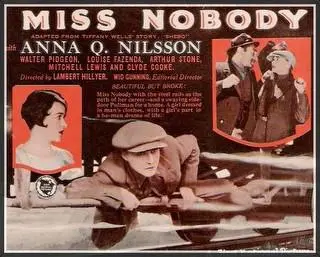
The visual language of Miss Nobody is defined by its use of shadows and framing, a hallmark of Lambert Hillyer's style. By utilizing a 1926-era palette, the film creates an immersive experience that perfectly complements its Drama themes.
| Cinematography | Deep Focus |
| Soundtrack | Experimental |
| Editing | Elliptical |
| Art Direction | Expressionist |
Visualizing the convergence of Lambert Hillyer's style and the core Drama narrative.
Youthful and beautiful, Barbara Brown finds her charms a curse. With just one dime left, she goes to a New Year's party given by mysterious Nan Adams. Here she attracts the wealthy host, J. B. Hardiman, a connoisseur of youth. But in the morning Nan awakes to find Nan gone and the servants accepting her as their new mistress. For a brief time she revels in the luxuries of her new life, but soon she calls at Hardiman's offices for a showdown. The situation becomes embarrassing when he forces unwanted attentions upon her and the next morning her clothing is gone. Escaping in men's clothes, Barbara goes off adventuring.
Decades after its release, Miss Nobody remains a vital piece of the cinematic puzzle. Its influence can be seen in countless modern works, solidifying Lambert Hillyer's status as a master of the craft in United States and beyond.