
DbcultAccessing Vault...
Director's Spotlight
Senior Film Conservator
Director's Spotlight: United States
A Deep Dive into the 1925 Vision of Lambert Hillyer
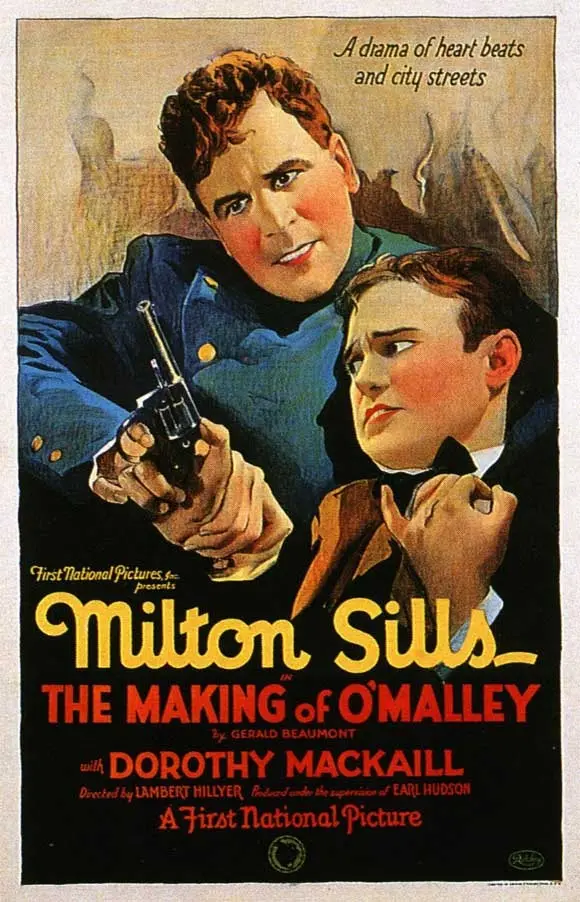
The artistic breakthrough represented by The Making of O'Malley in 1925 highlights the philosophical inquiries that Lambert Hillyer embeds within the narrative. Framed by the hauntingly beautiful landscapes of the production, it leaves an indelible mark on the soul of the viewer.
In The Making of O'Malley, Lambert Hillyer pushes the boundaries of conventional narrative. The film's unique approach to its subject matter has sparked endless debates and interpretations among cinephiles and critics alike.
To fully appreciate The Making of O'Malley, one must consider the cinematic climate of 1925. During this period, United States was undergoing significant artistic shifts, and Lambert Hillyer was at the forefront of this Drama movement, often challenging established norms.
| Cinematography | High-Contrast |
| Soundtrack | Orchestral |
| Editing | Slow-Burn |
| Art Direction | Brutalist |
Visualizing the convergence of Lambert Hillyer's style and the core Drama narrative.
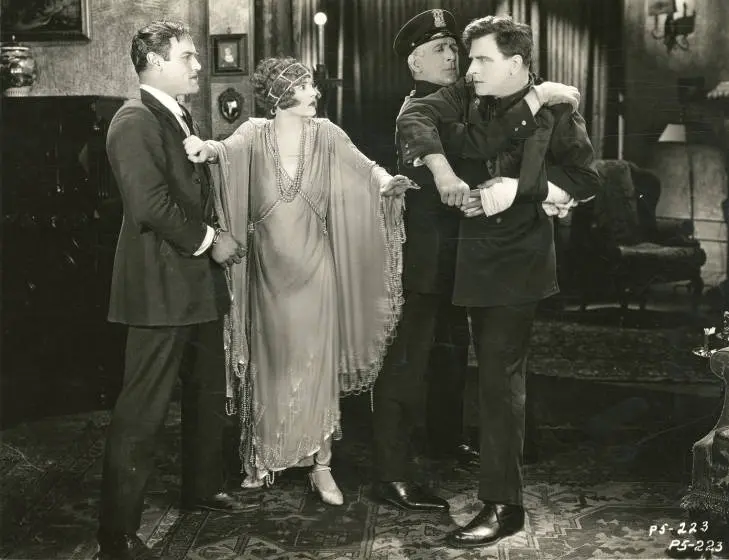
Jim O'Malley, a patrolman who is a stickler for the letter of the law, is assigned to duty as a traffic cop near a grade school, where he meets Lucille Thayer, a beautiful teacher. Jim becomes a favorite with the children and arranges for Margie, a little lame girl, to be in the care of a surgeon. Jim discovers the hideout of a gang of bootleggers and sets up a raid that nets all but Herbert Browne, the gang's leader. Jim later recognizes Browne during a party at Lucille's house and place him under arrest, only to discover that he is her fiancé. In a spirit of self-sacrifice, Jim lets Browne go and allows himself to be dismissed from the force. Danny the Dude, Margie's father, whom Jim sent to prison, is released and, learning of Jim's kindness to Margie, exposes Browne as the leader of the bootleggers. Jim's sacrifice then becomes known, and he is reinstated to the force with honors, winning Lucille's love for his many kindnesses towards her.
Decades after its release, The Making of O'Malley remains a vital piece of the cinematic puzzle. Its influence can be seen in countless modern works, solidifying Lambert Hillyer's status as a master of the craft in United States and beyond.