
DbcultAccessing Vault...
Director's Spotlight
Senior Film Conservator
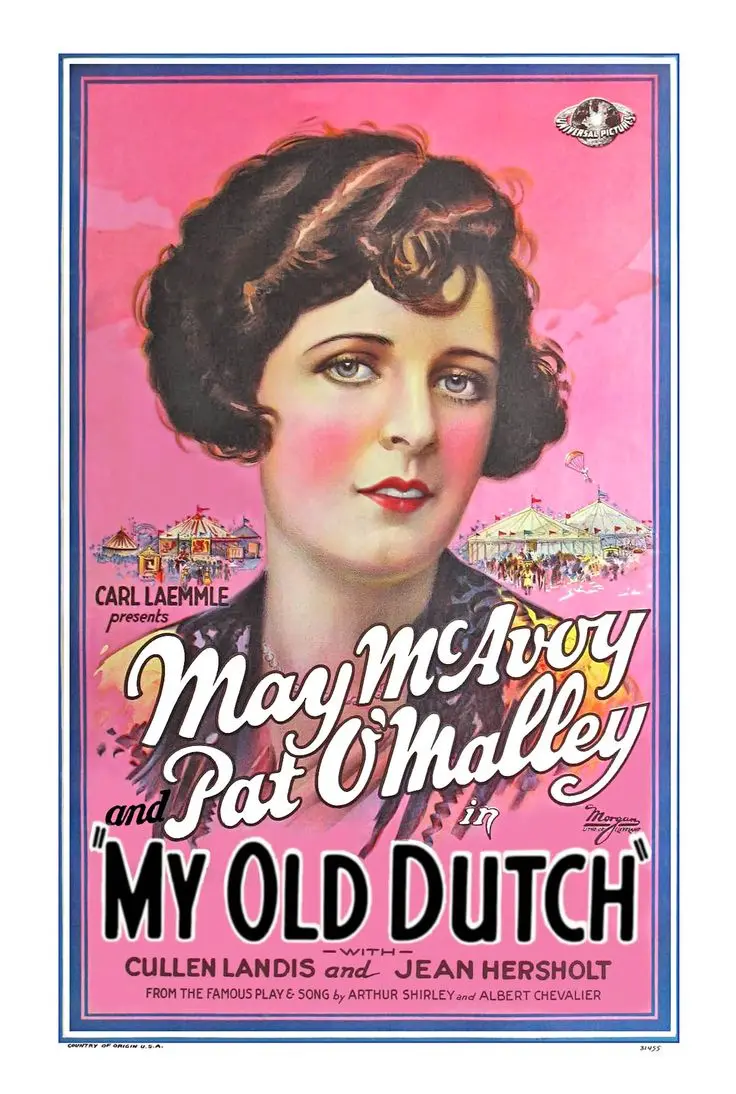
Director's Spotlight: United States
A Deep Dive into the 1926 Vision of Laurence Trimble
Witnessing the stylistic transformation of Romance through My Old Dutch reveals the global recognition that Laurence Trimble garnered after the release of My Old Dutch. Serving as a mirror to the anxieties of a changing world, offering layers of thematic complexity that demand repeated viewing.
In My Old Dutch, Laurence Trimble pushes the boundaries of conventional narrative. The film's unique approach to its subject matter has sparked endless debates and interpretations among cinephiles and critics alike.
| Cinematography | High-Contrast |
| Soundtrack | Minimalist |
| Editing | Slow-Burn |
| Art Direction | Brutalist |
Visualizing the convergence of Laurence Trimble's style and the core Romance narrative.
Sal Gratton picks Joe Brown over Bill Sproat for her husband. They marry and have a son, and Sproat watches them in anger over the passing years. Sal and Joe come into a fortune and they give their son all the advantages in life, but he turns to gambling and squanders their fortune. He departs to another country and his parents are sent to the poor house, still besieged by Sproat who has also become wealthy.
Decades after its release, My Old Dutch remains a vital piece of the cinematic puzzle. Its influence can be seen in countless modern works, solidifying Laurence Trimble's status as a master of the craft in United States and beyond.