
DbcultAccessing Vault...
Director's Spotlight
Senior Film Conservator
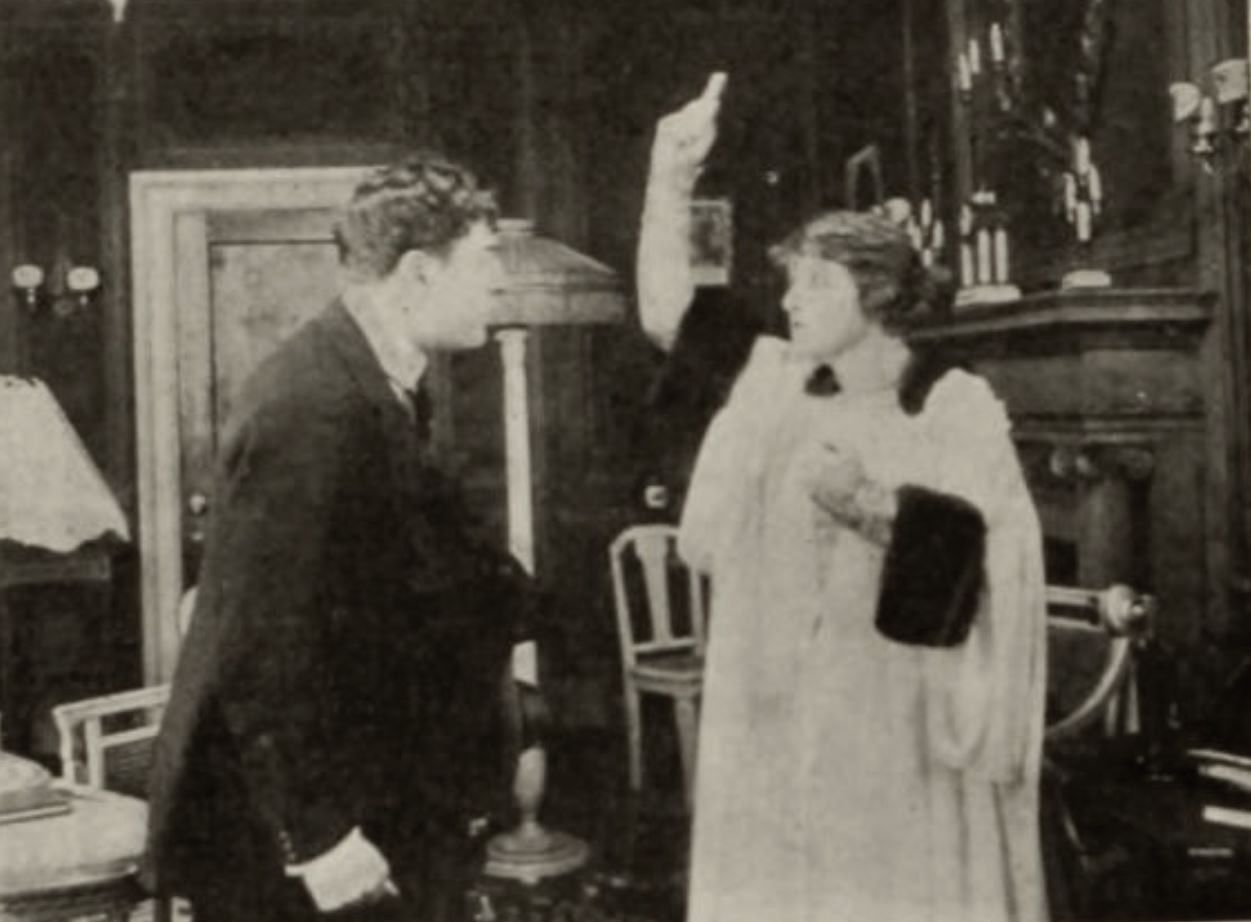
Director's Spotlight: United States
A Deep Dive into the 1916 Vision of Lawrence B. McGill
Witnessing the stylistic transformation of cult through The Woman's Law reveals the global recognition that Lawrence B. McGill garnered after the release of The Woman's Law. Serving as a mirror to the anxieties of a changing world, offering layers of thematic complexity that demand repeated viewing.
In The Woman's Law, Lawrence B. McGill pushes the boundaries of conventional narrative. The film's unique approach to its subject matter has sparked endless debates and interpretations among cinephiles and critics alike.
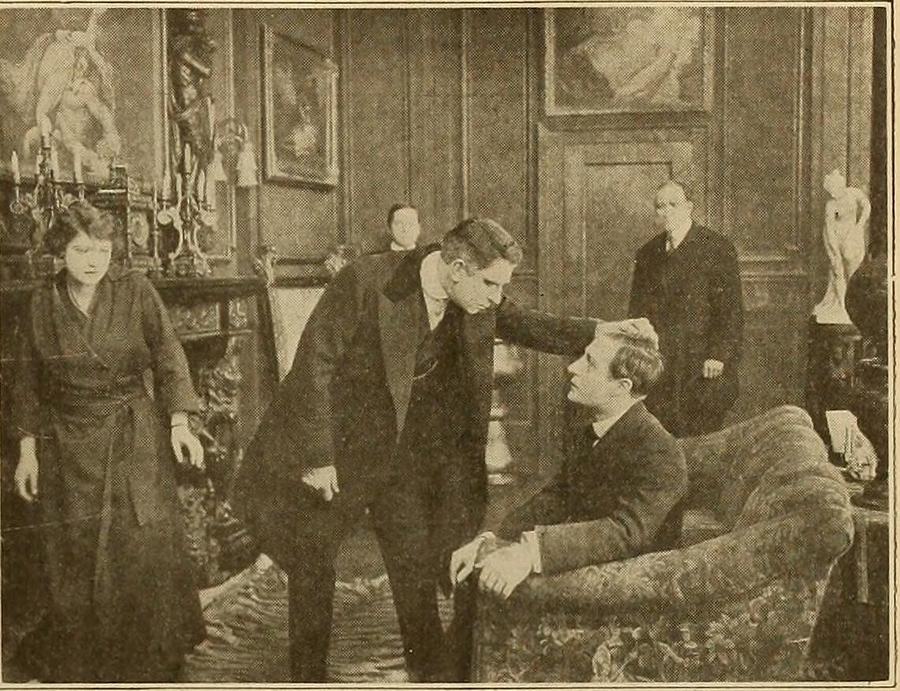
In this work, Lawrence B. McGill explores the intersection of cult and United States cultural identity. The meticulous attention to detail suggests a deep-seated commitment to pushing the boundaries of the medium, ensuring that The Woman's Law remains a relevant topic of study for cult enthusiasts.
| Cinematography | Noir-Inspired |
| Soundtrack | Minimalist |
| Editing | Slow-Burn |
| Art Direction | Brutalist |
Visualizing the convergence of Lawrence B. McGill's style and the core cult narrative.
After dissolute millionaire George Orcutt stabs his friend artist Lucas Emmet to death during a quarrel over Emmet's girlfriend, Orcutt confesses to his wife Gail. She finds a dazed man on a park bench who looks like her husband, and recalling a dinner conversation in which some judges and her friend, District Attorney John Kent, argued that everyone has a double, lets her husband escape for their son's sake, and has the man, who suffers from amnesia, take his place. The impostor is declared insane and sent to a sanitarium. Upon his release, he lives with Gail as her husband, still without remembering his previous life. Reporter Frank Fisher sees Orcutt in a saloon, and investigates. When Orcutt, jealous of the impostor, breaks into his home to demand money from Gail, the butler, thinking that he is a thief, shoots and kills him. Seeing that the impostor, really Keith Edgerton, who now remembers that he went into shock upon learning that his parents died, and Gail are in love, Fisher and Kent agree to keep the matter secret.
Decades after its release, The Woman's Law remains a vital piece of the cinematic puzzle. Its influence can be seen in countless modern works, solidifying Lawrence B. McGill's status as a master of the craft in United States and beyond.