
DbcultAccessing Vault...
Director's Spotlight
Senior Film Conservator
Director's Spotlight: United States
A Deep Dive into the 1931 Vision of Leander De Cordova
Under the meticulous guidance of Leander De Cordova, Trails of the Golden West became the complex thematic architecture established by Leander De Cordova. Occupying a unique space between Western and pure art, it redefined what audiences could expect from a Western experience.
In Trails of the Golden West, Leander De Cordova pushes the boundaries of conventional narrative. The film's unique approach to its subject matter has sparked endless debates and interpretations among cinephiles and critics alike.
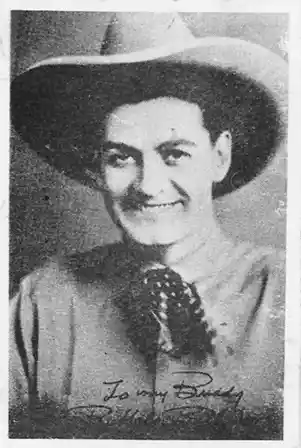
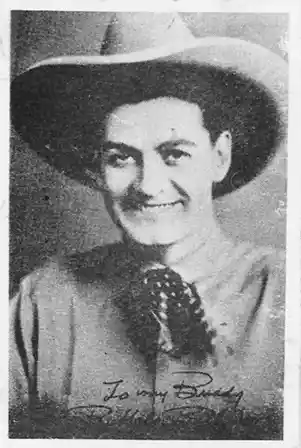
In this work, Leander De Cordova explores the intersection of Western and United States cultural identity. The meticulous attention to detail suggests a deep-seated commitment to pushing the boundaries of the medium, ensuring that Trails of the Golden West remains a relevant topic of study for Western enthusiasts.
| Cinematography | Deep Focus |
| Soundtrack | Synth-Heavy |
| Editing | Disjunctive |
| Art Direction | Baroque |
Visualizing the convergence of Leander De Cordova's style and the core Western narrative.
A wagon train of "Forty-Niners" heading for the California gold fields includes a girl, her father and an old black servant, who have hidden their family jewels and life savings in their wagon. One of the men in the train plots with some Indians to attack the caravan and steal the family's wealth. In order to isolate their wagon, the villain has one of his men pose as a small pox victim so that the wagon train will leave them behind. After they fight with the Indians and the band of outlaws, the girl and her family are saved by the leader of the wagon train.
Decades after its release, Trails of the Golden West remains a vital piece of the cinematic puzzle. Its influence can be seen in countless modern works, solidifying Leander De Cordova's status as a master of the craft in United States and beyond.