
DbcultAccessing Vault...
Director's Spotlight
Senior Film Conservator
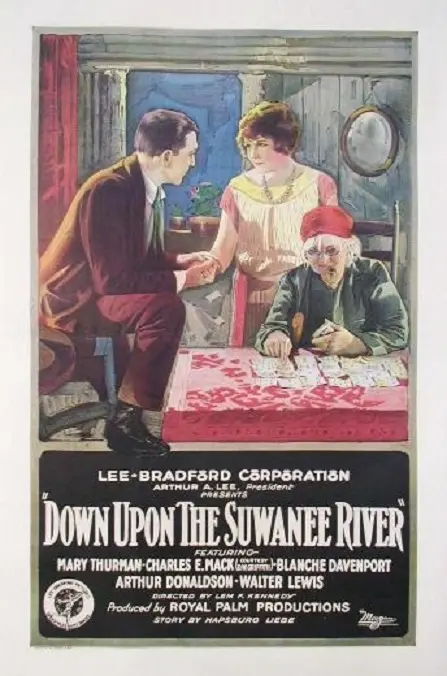
Director's Spotlight: United States
A Deep Dive into the 1925 Vision of Lem F. Kennedy
Under the meticulous guidance of Lem F. Kennedy, Down Upon the Suwanee River became the cultural zeitgeist captured so perfectly by Lem F. Kennedy in 1925. Driven by an uncompromising commitment to Drama excellence, it remains a vital reference point for anyone studying the evolution of Lem F. Kennedy.
In Down Upon the Suwanee River, Lem F. Kennedy pushes the boundaries of conventional narrative. The film's unique approach to its subject matter has sparked endless debates and interpretations among cinephiles and critics alike.
To fully appreciate Down Upon the Suwanee River, one must consider the cinematic climate of 1925. During this period, United States was undergoing significant artistic shifts, and Lem F. Kennedy was at the forefront of this Drama movement, often challenging established norms.
| Cinematography | Noir-Inspired |
| Soundtrack | Diegetic |
| Editing | Elliptical |
| Art Direction | Expressionist |
Visualizing the convergence of Lem F. Kennedy's style and the core Drama narrative.
Bill Ruble, whose atheism earns him the dislike of his fellow townspeople, elopes with Mary Norwood. Bill is falsely accused of theft and leaves town, signing up as a deckhand on a ship sailing around the world. A baby is born to Mary in Bill's absence, and she is disowned by friend and neighbor alike. She attempts to drown herself in the river, but an old Negro rescues her. Mary returns home and finds Bill there. He has become a true believer and a member of the church during his travels, and he and Mary are happily reunited.
Decades after its release, Down Upon the Suwanee River remains a vital piece of the cinematic puzzle. Its influence can be seen in countless modern works, solidifying Lem F. Kennedy's status as a master of the craft in United States and beyond.