
DbcultAccessing Vault...
Director's Spotlight
Senior Film Conservator
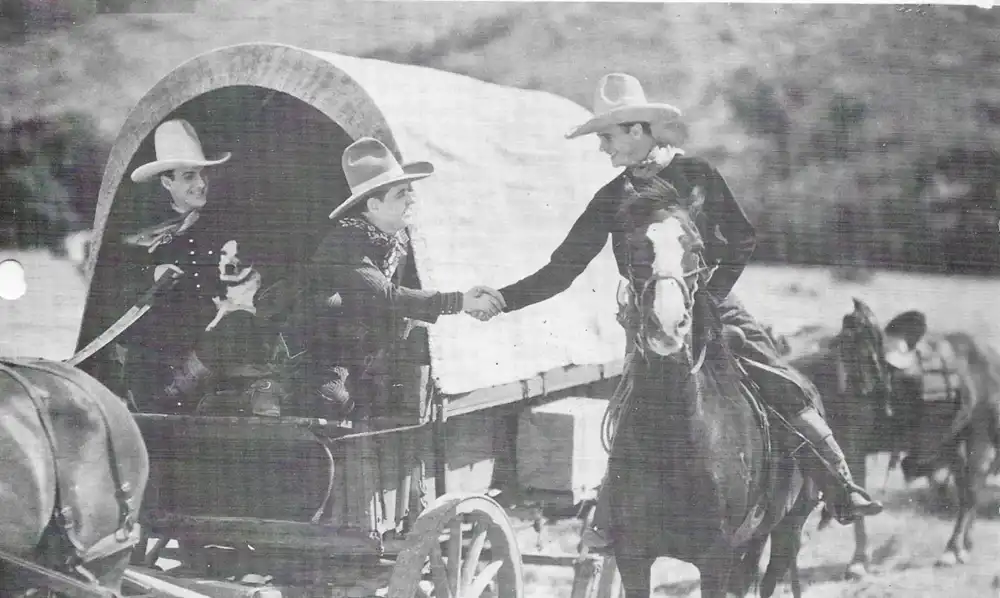
Director's Spotlight: United States
A Deep Dive into the 1929 Vision of Leo D. Maloney
To understand the modern evolution of United States film, one must first look at Overland Bound and the collaborative alchemy between Leo D. Maloney and the 1929 creative team. Subverting the expectations of the typical 1929 audience, it remains a vital reference point for anyone studying the evolution of Leo D. Maloney.
In Overland Bound, Leo D. Maloney pushes the boundaries of conventional narrative. The film's unique approach to its subject matter has sparked endless debates and interpretations among cinephiles and critics alike.
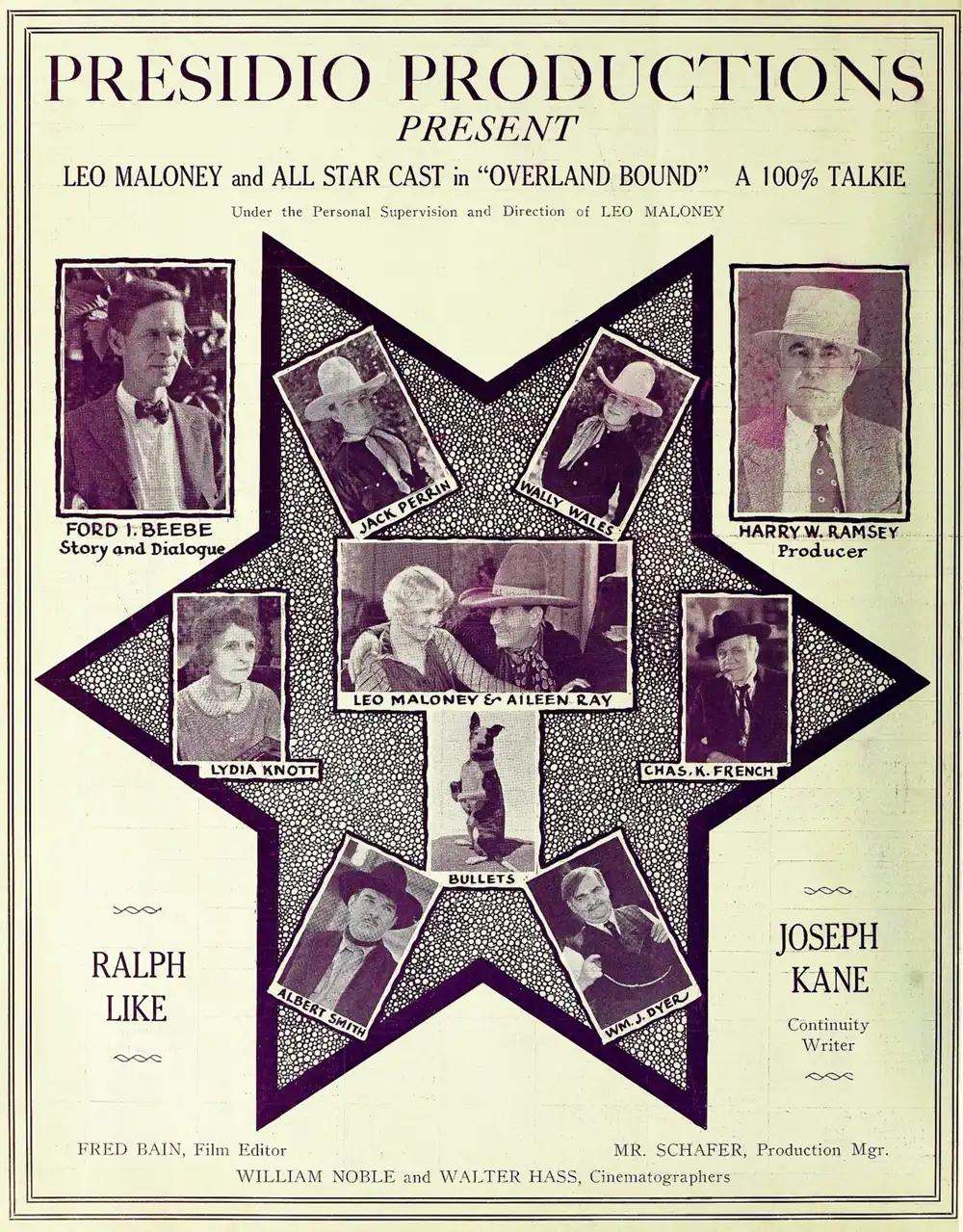
To fully appreciate Overland Bound, one must consider the cinematic climate of 1929. During this period, United States was undergoing significant artistic shifts, and Leo D. Maloney was at the forefront of this Western movement, often challenging established norms.
| Cinematography | Deep Focus |
| Soundtrack | Synth-Heavy |
| Editing | Rhythmic |
| Art Direction | Naturalist |
Visualizing the convergence of Leo D. Maloney's style and the core Western narrative.
Trying to trick Ma (Lydia Knott) and Mary Winters (Allene Ray) into selling their rundown ranch, which will be in the path of a future railroad, Underwood (Charles K.French) hires Keno Creager (Albert Smith) to impersonate Jimmy Winters, not seen by his mother and sister for many years. Lucky Lorimer (Leo Maloney), a horsetrading drifter, and Larry Withers, a waiter (Jack Perrin) in the saloon of Boss Wheeler (William Dyer), discover the plot. Larry reveals he is Jimmy, and they both head for the Winters' ranch. They find Creager already there but Lucky, via a fake murder charge on Jimmy Winters, tricks Creager into denying he is Jimmy.
Decades after its release, Overland Bound remains a vital piece of the cinematic puzzle. Its influence can be seen in countless modern works, solidifying Leo D. Maloney's status as a master of the craft in United States and beyond.