
DbcultAccessing Vault...
Director's Spotlight
Senior Film Conservator
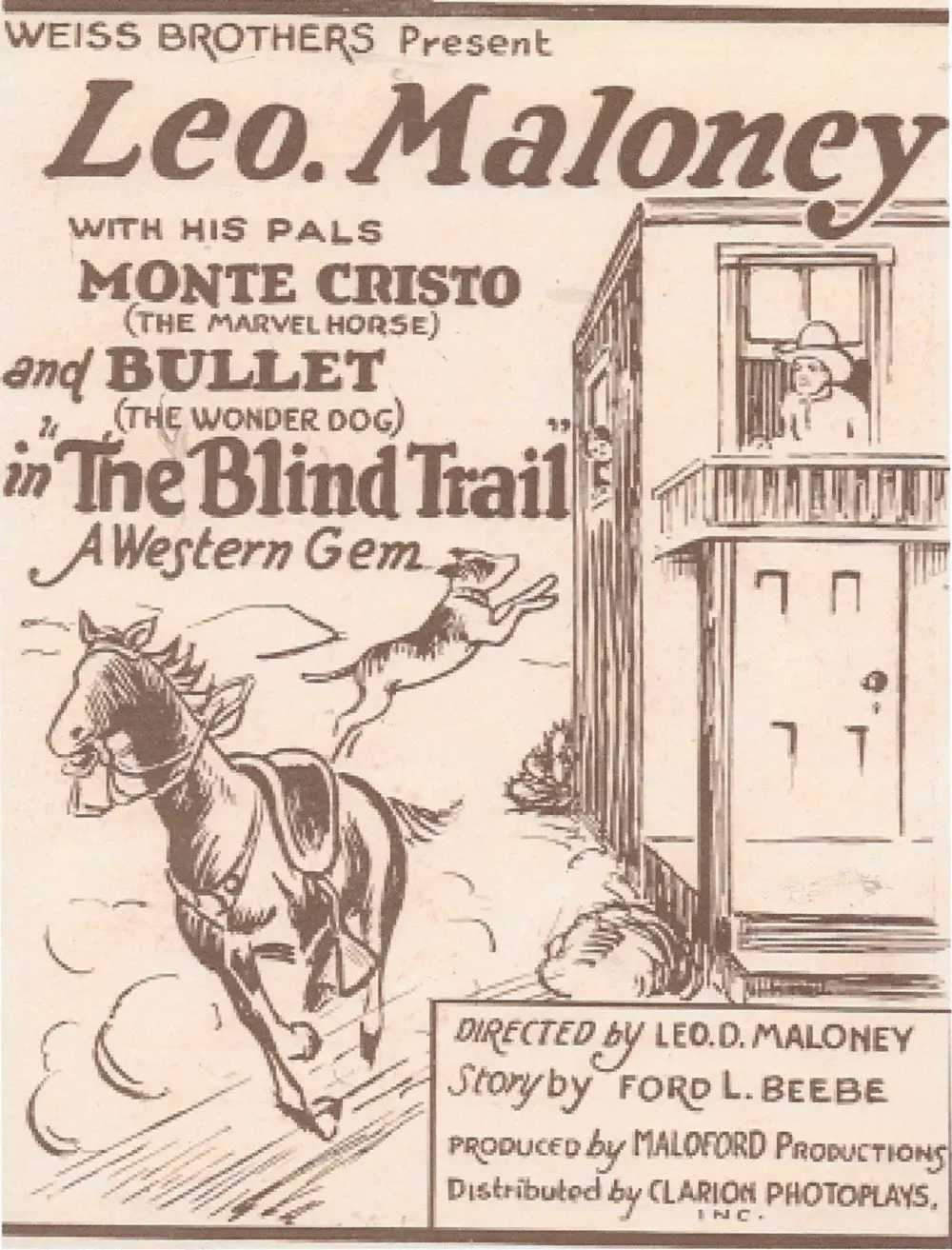
Director's Spotlight: United States
A Deep Dive into the 1926 Vision of Leo D. Maloney
Few works in United States cinema carry the same weight as The Blind Trail, especially regarding the cultural zeitgeist captured so perfectly by Leo D. Maloney in 1926. Utilizing a 1926-specific aesthetic that remains timeless, it serves as a blueprint for future generations of Drama directors.
In The Blind Trail, Leo D. Maloney pushes the boundaries of conventional narrative. The film's unique approach to its subject matter has sparked endless debates and interpretations among cinephiles and critics alike.
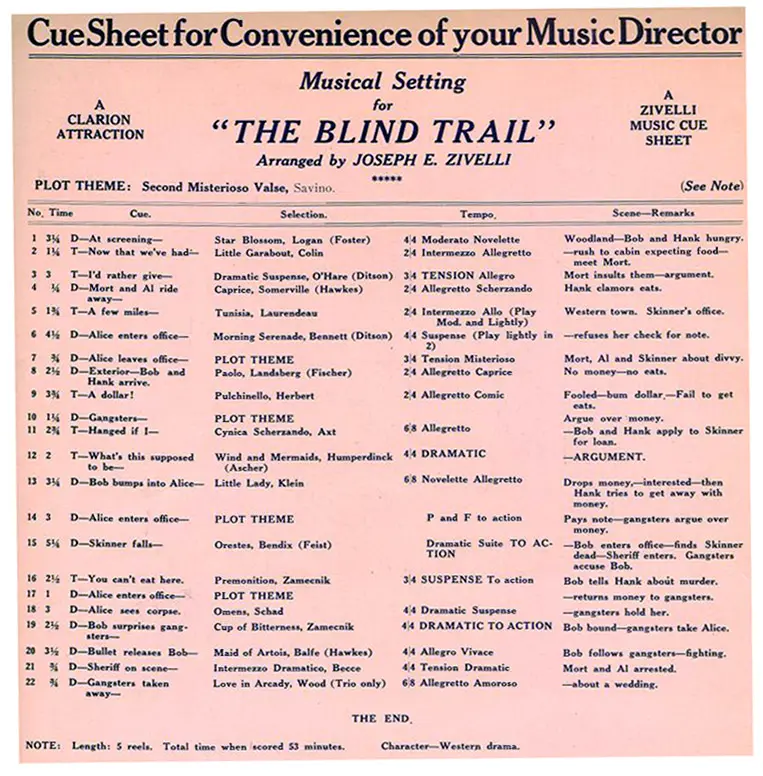
While deeply rooted in United States, The Blind Trail has achieved a global reach, influencing directors from various backgrounds. Its ability to translate Drama tropes into a universal cinematic language is why it remains a cult staple decades after its 1926 release.
| Cinematography | Deep Focus |
| Soundtrack | Orchestral |
| Editing | Invisible |
| Art Direction | Kitsch |
Visualizing the convergence of Leo D. Maloney's style and the core Drama narrative.
Bob Carson and his pal Hank O'Hara are wandering through the west and stop at a western café and get into an argument with bad guys Mort Van Vlack and Al Sinclair. Alice Bartlett, recently orphaned, rides to town and pays money lender William Skinner on a note he holds against her late father's ranch. She does not know the note is a forgery made by Skinner and his henchmen Mort and Al. The latter dust off Skinner after an argument over how to split the money. Carson goes to Skinner's office, and is leaning over the dead man's corpse when the Sheriff shows up and arrests him for the killing.
Decades after its release, The Blind Trail remains a vital piece of the cinematic puzzle. Its influence can be seen in countless modern works, solidifying Leo D. Maloney's status as a master of the craft in United States and beyond.