
DbcultAccessing Vault...
Director's Spotlight
Senior Film Conservator
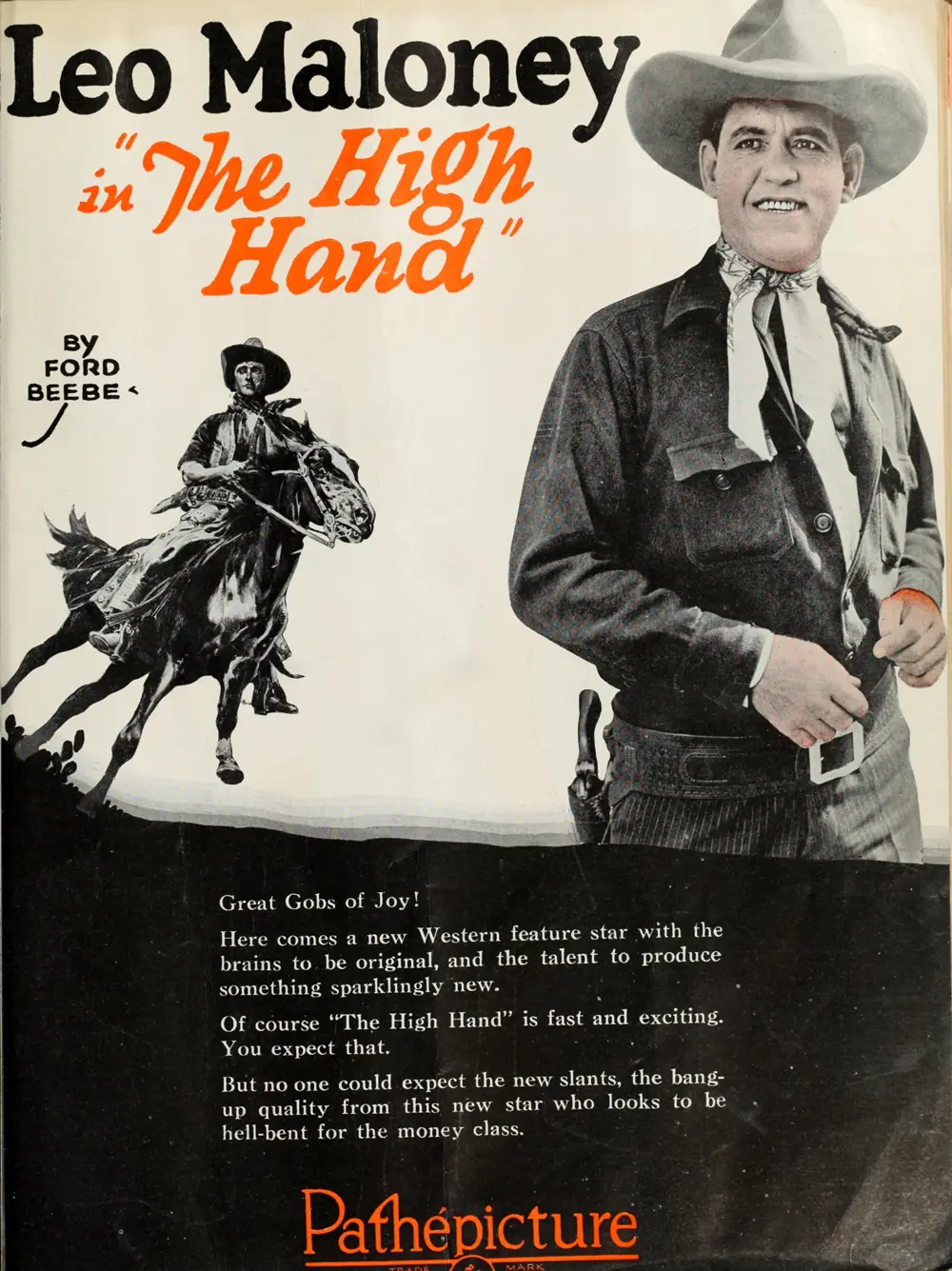
Director's Spotlight: United States
A Deep Dive into the 1926 Vision of Leo D. Maloney
The evocative power of The High Hand stems from the unique collaboration between the subversive storytelling techniques employed by Leo D. Maloney in 1926. Synthesizing the best elements of United States and international cinema, it reminds us of the fragility and beauty of the 1926s.
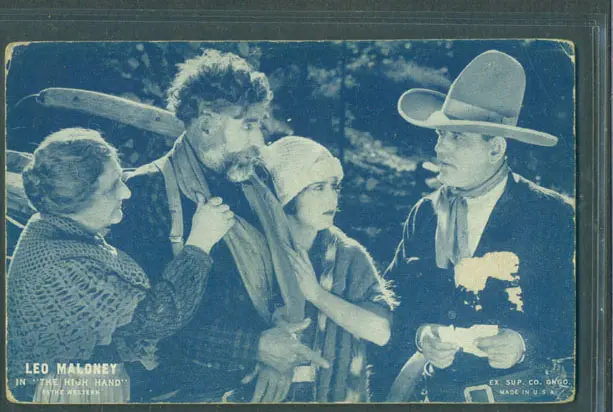
In The High Hand, Leo D. Maloney pushes the boundaries of conventional narrative. The film's unique approach to its subject matter has sparked endless debates and interpretations among cinephiles and critics alike.
| Cinematography | Deep Focus |
| Soundtrack | Minimalist |
| Editing | Disjunctive |
| Art Direction | Baroque |
Visualizing the convergence of Leo D. Maloney's style and the core Western narrative.
An impoverished cattleman - handed by rustlers and other unknown enemies - has finally had his home burned over his head. A lone cowboy happening on scene learns of the continued outrages - and taking it on himself to round up the hostile foe, commit apparent depredations, but always sends the monies to the sheriff - with the information that these monies would be duly accounted for at a later date. So daring do the Collector's deeds become that those he is searching out offer a reward for his capture. Many stirring raids and battles follow - and then to the surprise of any, even the sheriff - some of the town's leading (but not the best citizens) are caught in the net; due reparation made and to the outraged cattleman and the "Collector" proves to be the lone cowboy, who later marries the rancher's daughter.
Decades after its release, The High Hand remains a vital piece of the cinematic puzzle. Its influence can be seen in countless modern works, solidifying Leo D. Maloney's status as a master of the craft in United States and beyond.