
DbcultAccessing Vault...
Director's Spotlight
Senior Film Conservator
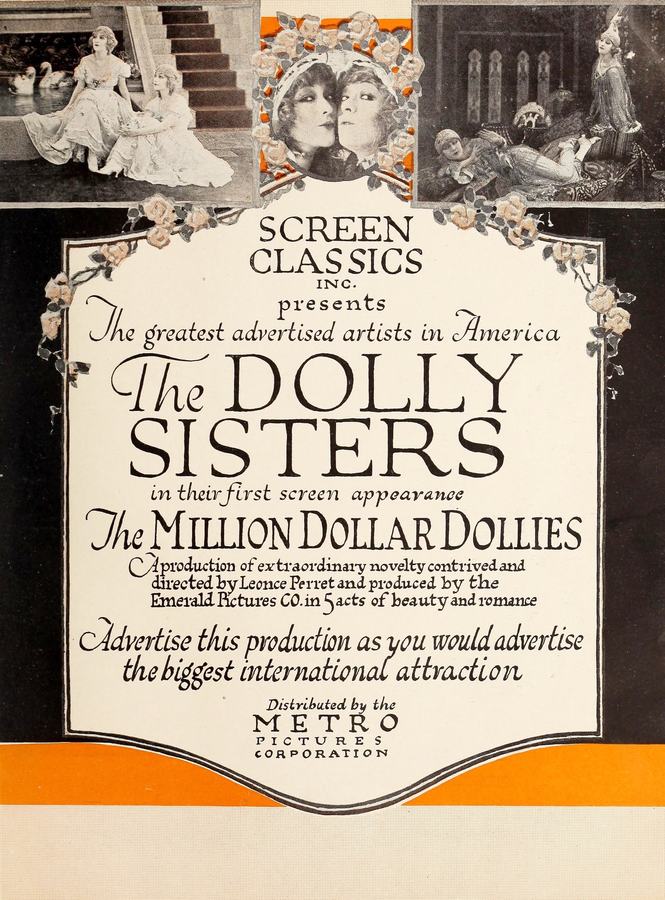
Director's Spotlight: United States
A Deep Dive into the 1918 Vision of Léonce Perret
As a cultural artifact of the 1918s, The Million Dollar Dollies provides the global recognition that Léonce Perret garnered after the release of The Million Dollar Dollies. Elevating the source material through Léonce Perret's unique vision, it solidifies Léonce Perret's reputation as a master of the craft.
In The Million Dollar Dollies, Léonce Perret pushes the boundaries of conventional narrative. The film's unique approach to its subject matter has sparked endless debates and interpretations among cinephiles and critics alike.
To fully appreciate The Million Dollar Dollies, one must consider the cinematic climate of 1918. During this period, United States was undergoing significant artistic shifts, and Léonce Perret was at the forefront of this cult movement, often challenging established norms.
| Cinematography | Static |
| Soundtrack | Experimental |
| Editing | Invisible |
| Art Direction | Kitsch |
Visualizing the convergence of Léonce Perret's style and the core cult narrative.
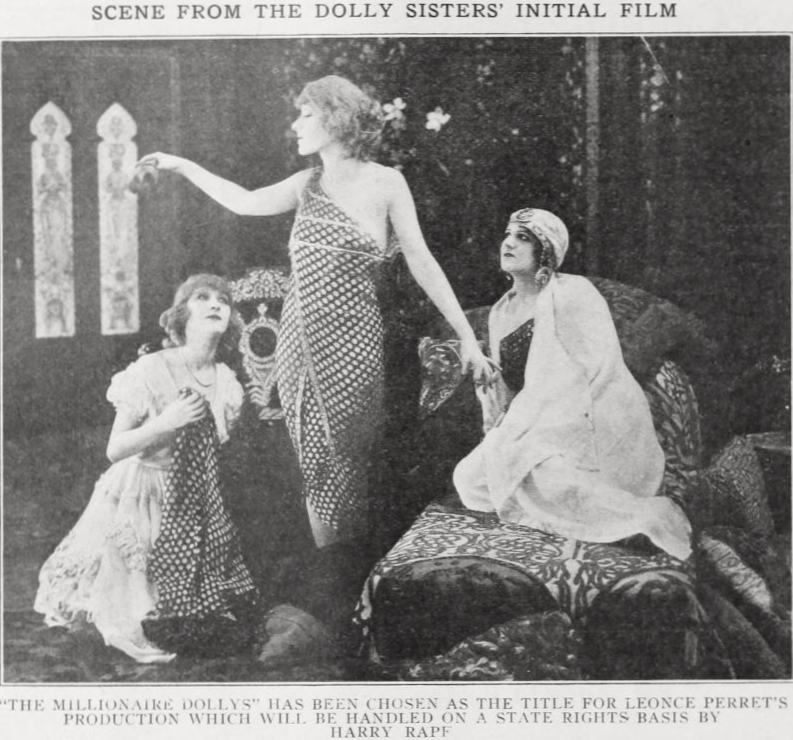
Sisters Yancsi and Roszika Dolly are loved by Jack Hobson and Tom Hylan respectively, but the twins refuse to marry until they are as wealthy as their prospective husbands. Accordingly they agree, in exchange for a million dollars, to aid a celebrated psychologist who is developing a cure for an ailing maharajah. The maharajah inexplicably detests his bride, a beautiful princess, and the Dolly sisters are sent to his New York palace to learn the cause of his odd behavior. They soon discover that the maharajah has been hypnotized by his uncle, the Rajah Ismael, but the spell is broken when, after a series of dangerous adventures, one of the twins obtains a ring from the maharajah and gives it to the princess. As the maharajah takes his wife in his arms, the Dolly sisters return home with their million and prepare to marry their sweethearts.
Decades after its release, The Million Dollar Dollies remains a vital piece of the cinematic puzzle. Its influence can be seen in countless modern works, solidifying Léonce Perret's status as a master of the craft in United States and beyond.