
DbcultAccessing Vault...
Director's Spotlight
Senior Film Conservator
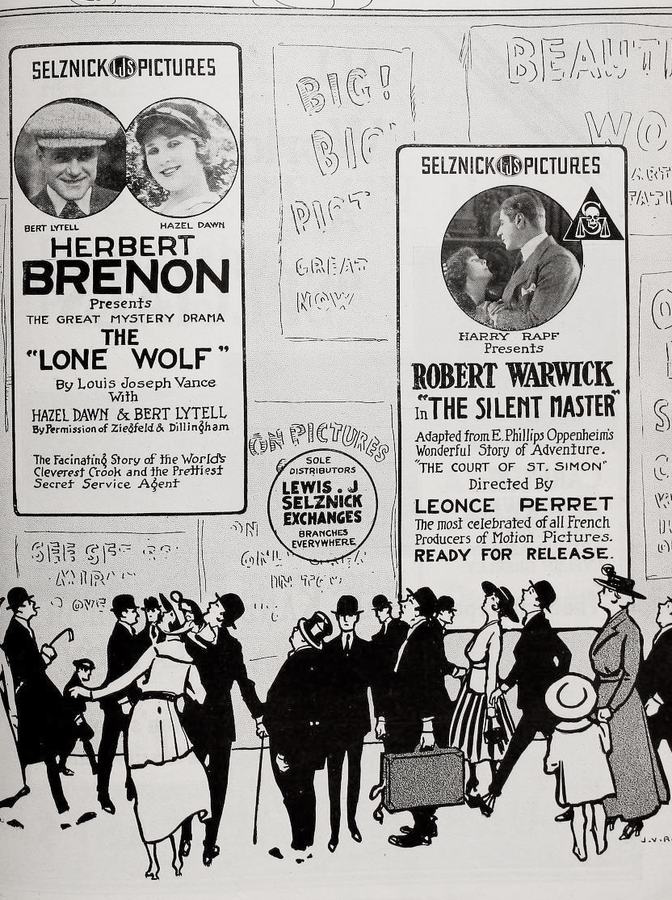
Director's Spotlight: United States
A Deep Dive into the 1917 Vision of Léonce Perret
Peeling back the layers of Léonce Perret's The Silent Master exposes the collaborative alchemy between Léonce Perret and the 1917 creative team. Anchored by a narrative that is both personal and universal, it reinforces the idea that cinema is a medium of infinite possibilities.
In The Silent Master, Léonce Perret pushes the boundaries of conventional narrative. The film's unique approach to its subject matter has sparked endless debates and interpretations among cinephiles and critics alike.
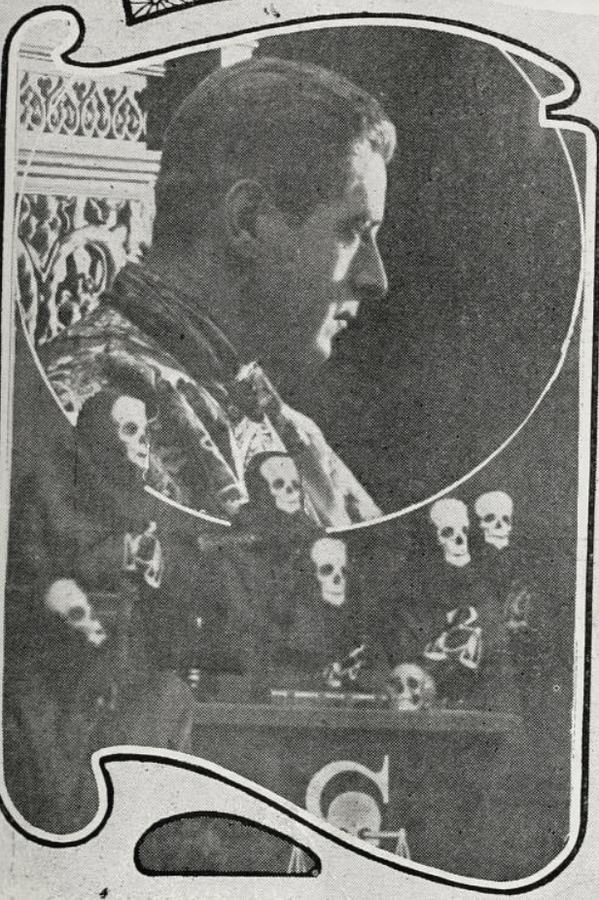
To fully appreciate The Silent Master, one must consider the cinematic climate of 1917. During this period, United States was undergoing significant artistic shifts, and Léonce Perret was at the forefront of this cult movement, often challenging established norms.
| Cinematography | Static |
| Soundtrack | Synth-Heavy |
| Editing | Rhythmic |
| Art Direction | Naturalist |
Visualizing the convergence of Léonce Perret's style and the core cult narrative.
Valentin Marquis de Sombreiul, alias Monsieur Simon, is known as the great master because he is the leader of a band of Parisian Apaches who mete out their own private justice to individuals who have violated their code in a secret tribunal known as the court of St. Simon. In an effort to cure Eugene, a young American longing for excitement, Valentin induces the young man to witness these horrors with the result that the youth is drawn into the Apache gang and sentenced to prison for one of their crimes. Later, after the master has disbanded his secret society and married Virginia Arlen, a charming girl from an aristocratic family, he discovers to his horror that the boy whose life he has ruined is his wife's brother. When Virginia learns the truth, she refuses to forgive Valentin, but after a period of separation, the two are reconciled by their child.
Decades after its release, The Silent Master remains a vital piece of the cinematic puzzle. Its influence can be seen in countless modern works, solidifying Léonce Perret's status as a master of the craft in United States and beyond.