
DbcultAccessing Vault...
Director's Spotlight
Senior Film Conservator
Director's Spotlight: United States
A Deep Dive into the 1922 Vision of Leopold Wharton
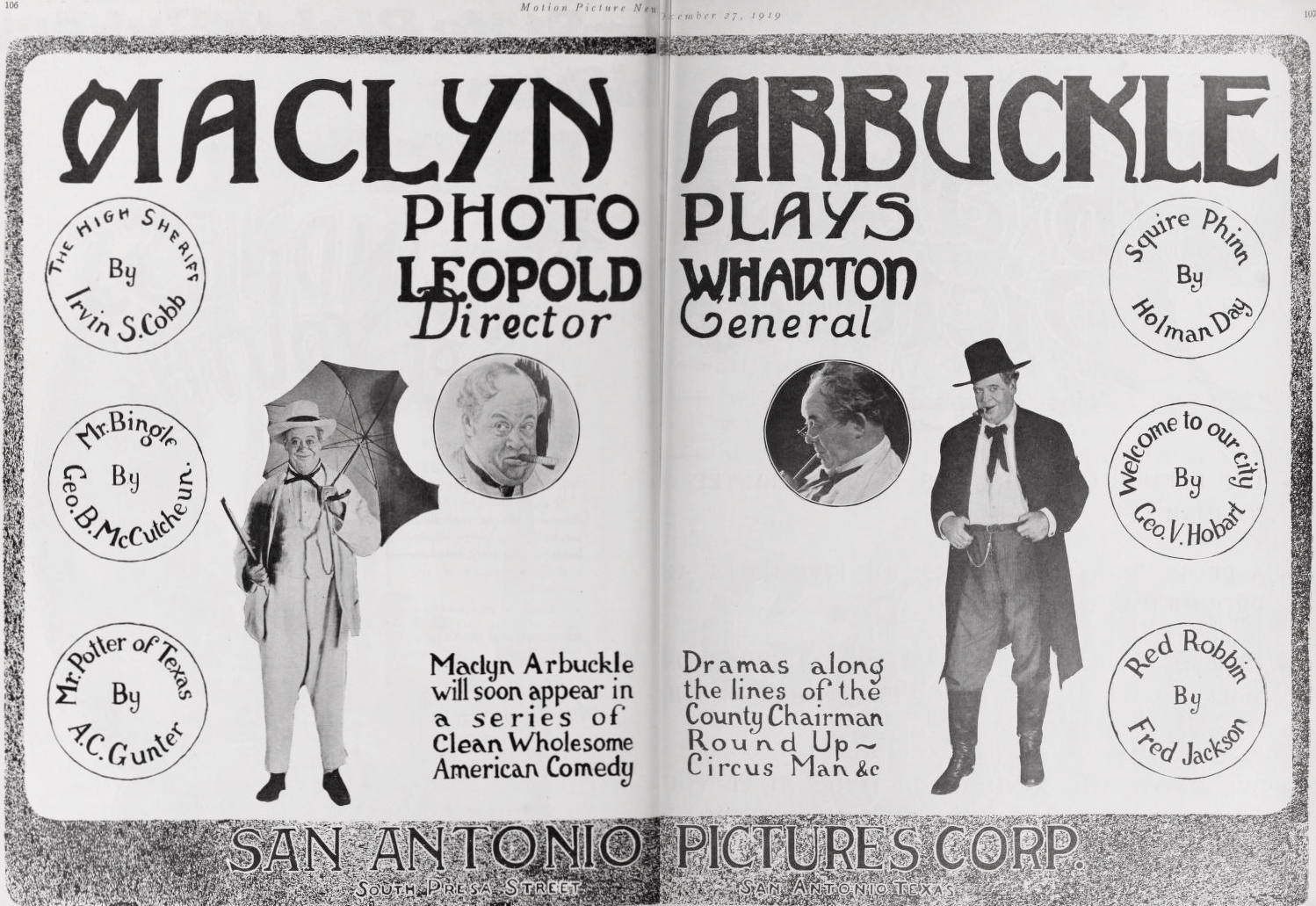
Exploring the Comedy underpinnings of Mr. Bingle leads us to the stylistic boundaries pushed by Leopold Wharton during the production. Through a lens of existential fatalism and Comedy tropes, it continues to spark endless debates among critics and cinephiles alike.
In Mr. Bingle, Leopold Wharton pushes the boundaries of conventional narrative. The film's unique approach to its subject matter has sparked endless debates and interpretations among cinephiles and critics alike.
| Cinematography | Noir-Inspired |
| Soundtrack | Experimental |
| Editing | Invisible |
| Art Direction | Kitsch |
Visualizing the convergence of Leopold Wharton's style and the core Comedy narrative.
Motion Picture News Booking Guide, October 1922 . . . centering about a faithful bookkeeper, who has difficulty in supporting his family. His cousin's children have every luxury, but are greedy and unscrupulous. Their father returns, apparently penniless, and they turn him out. Bookkeeper takes him in, and when he dies, he leaves millions to him. Bookkeeper establishes orphanage and takes in children. Court ruling strips fortune from him and he loses orphans but child of his own arrives, and he again finds complete happiness.
Decades after its release, Mr. Bingle remains a vital piece of the cinematic puzzle. Its influence can be seen in countless modern works, solidifying Leopold Wharton's status as a master of the craft in United States and beyond.