Summary
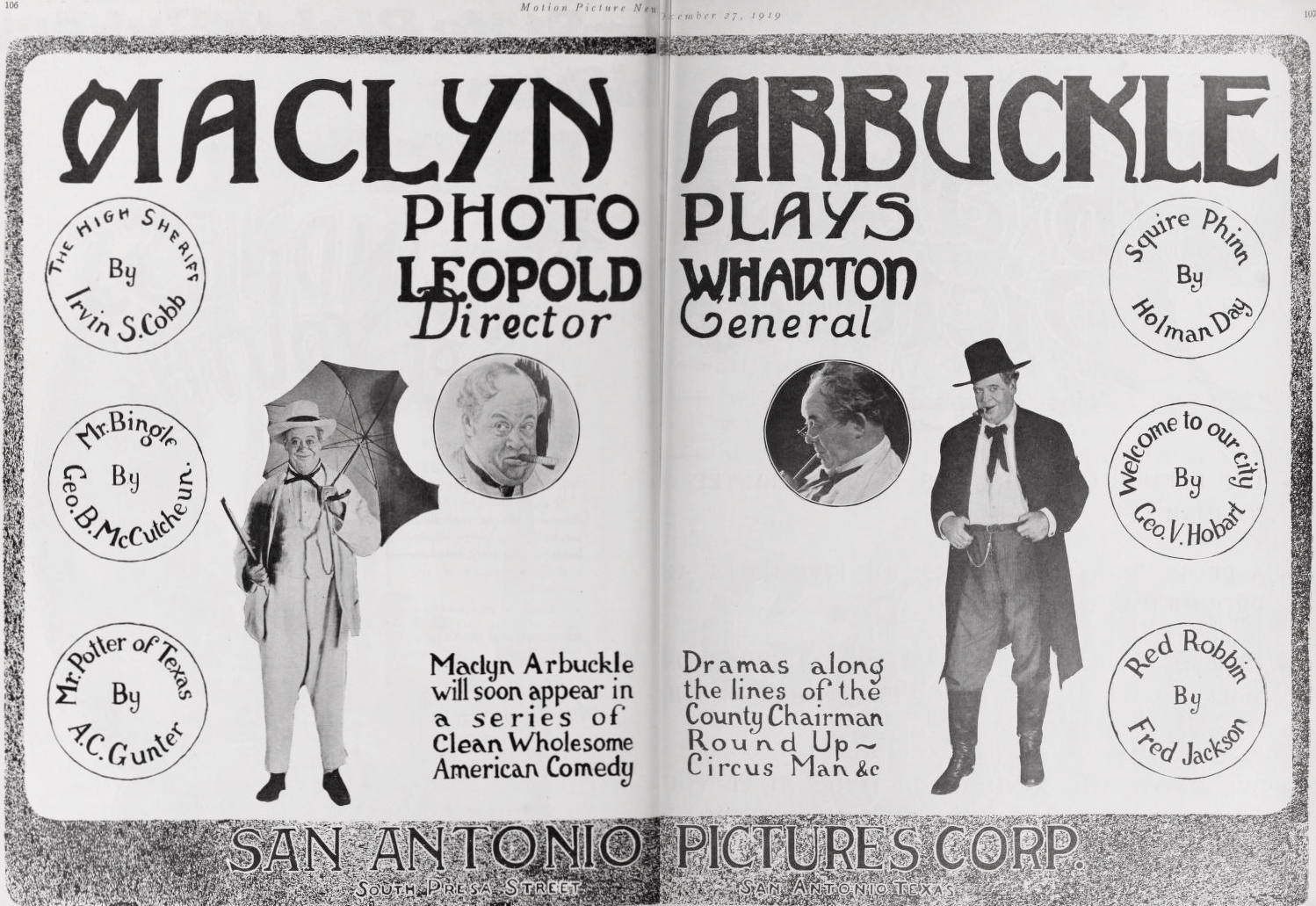
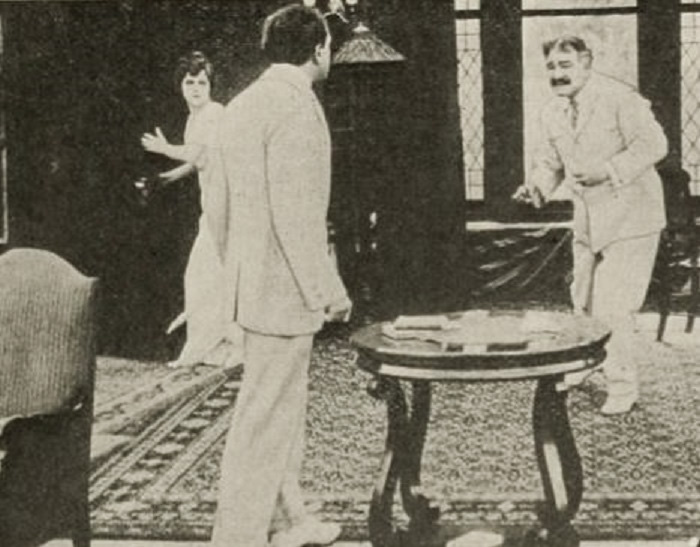
In the sepia-toned landscape of 1922, 'Mr. Bingle' emerges as a profound meditation on the volatility of fortune and the steadfastness of the human spirit. The narrative meticulously traces the life of a penurious bookkeeper, a man whose existence is defined by the rhythmic scratching of a quill and the crushing weight of familial obligation. While Bingle languishes in the shadows of mediocrity, his cousins wallow in a grotesque display of opulence, their characters fermented in greed and moral bankruptcy. The arrival of an ostensibly destitute uncle serves as the catalyst for a grand moral experiment; rejected by the wealthy progeny, the old man finds sanctuary in Bingle’s humble abode. This act of unvarnished altruism is rewarded with an astronomical inheritance upon the uncle’s demise, transforming the bookkeeper into a sudden titan of industry and philanthropy. Bingle’s subsequent endeavor—the establishment of an expansive orphanage—represents a utopian attempt to transmute personal wealth into collective salvation. However, the fickle hand of the judiciary intervenes, stripping him of his millions and his wards through a cold legal technicality. The film culminates not in the restoration of material wealth, but in a spiritual epiphany triggered by the birth of his own child, suggesting that the ultimate ledger of life is balanced not in gold, but in the biological and emotional continuity of the self.
Synopsis
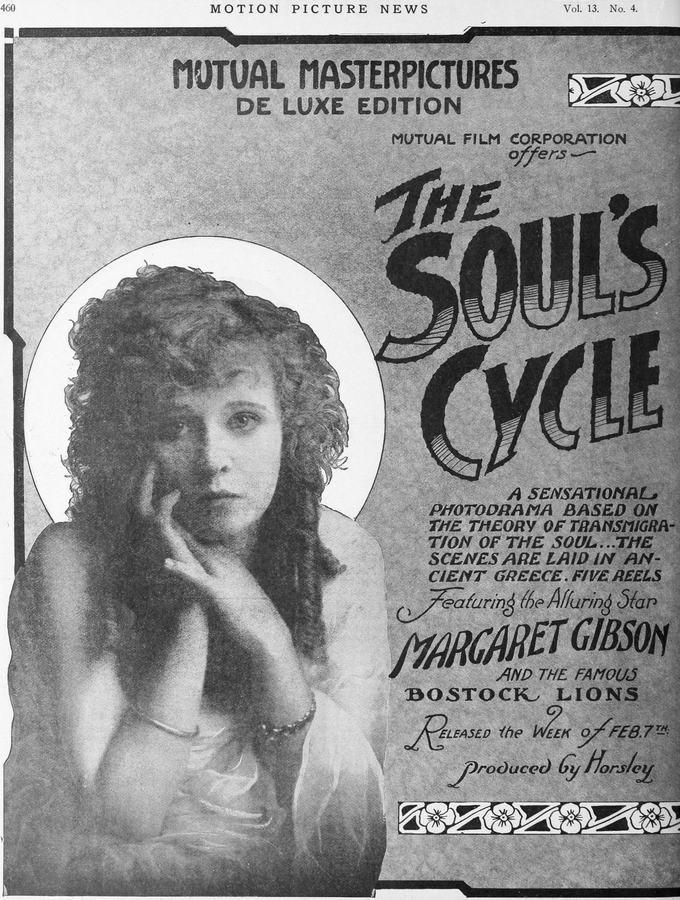
Motion Picture News Booking Guide, October 1922 . . . centering about a faithful bookkeeper, who has difficulty in supporting his family. His cousin's children have every luxury, but are greedy and unscrupulous. Their father returns, apparently penniless, and they turn him out. Bookkeeper takes him in, and when he dies, he leaves millions to him. Bookkeeper establishes orphanage and takes in children. Court ruling strips fortune from him and he loses orphans but child of his own arrives, and he again finds complete happiness.
Review Excerpt
"The year 1922 remains a hallowed epoch in the annals of silent cinema, a period where the visual grammar of the medium was evolving with a ferocity that matched the social upheavals of the post-war era. Amidst this creative ferment, Mr. Bingle, directed with a sensitive eye for the pathos of the common man, stands as a quintessential example of the morality play adapted for the silver screen. Based on the literary foundations laid by George Barr McCutcheon, the film is more than a mere rags-to-r..."