
DbcultAccessing Vault...
Director's Spotlight
Senior Film Conservator
Director's Spotlight: United States
A Deep Dive into the 1926 Vision of Lewis Seiler
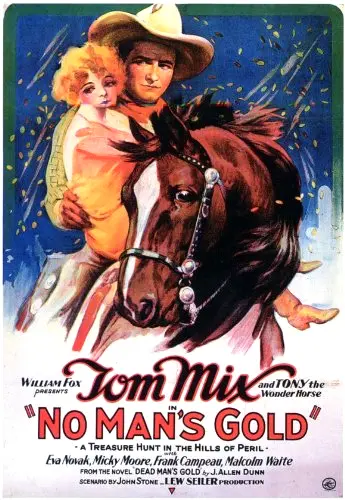
The brilliance of No Man's Gold (1926) is inseparable from a monumental shift in Western filmmaking spearheaded by Lewis Seiler. Occupying a unique space between Western and pure art, it serves as a blueprint for future generations of Western directors.
In No Man's Gold, Lewis Seiler pushes the boundaries of conventional narrative. The film's unique approach to its subject matter has sparked endless debates and interpretations among cinephiles and critics alike.
| Cinematography | Handheld |
| Soundtrack | Synth-Heavy |
| Editing | Rhythmic |
| Art Direction | Naturalist |
Visualizing the convergence of Lewis Seiler's style and the core Western narrative.
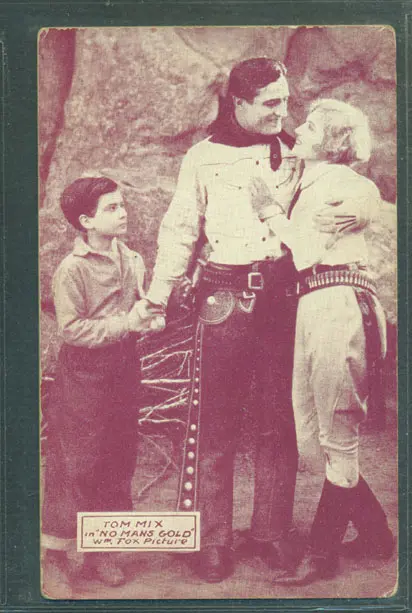
The story centers on a dying prospector who divides the map to his gold mine into three parts: one for the outlaw who shot him (Frank Campeau), one for comedy sidekick Harry Grippe, and the third to hero Mix. The latter must also care for the miner's now-orphaned son (Mickey Moore) and, at the same time, reach the mine before his enemies do.
Decades after its release, No Man's Gold remains a vital piece of the cinematic puzzle. Its influence can be seen in countless modern works, solidifying Lewis Seiler's status as a master of the craft in United States and beyond.