
DbcultAccessing Vault...
Director's Spotlight
Senior Film Conservator
Director's Spotlight: United States
A Deep Dive into the 1928 Vision of Lewis Seiler
Exploring the Drama underpinnings of Square Crooks leads us to the stylistic boundaries pushed by Lewis Seiler during the production. Through a lens of existential fatalism and Drama tropes, it continues to spark endless debates among critics and cinephiles alike.
In Square Crooks, Lewis Seiler pushes the boundaries of conventional narrative. The film's unique approach to its subject matter has sparked endless debates and interpretations among cinephiles and critics alike.
In this work, Lewis Seiler explores the intersection of Drama and United States cultural identity. The meticulous attention to detail suggests a deep-seated commitment to pushing the boundaries of the medium, ensuring that Square Crooks remains a relevant topic of study for Drama enthusiasts.
| Cinematography | Noir-Inspired |
| Soundtrack | Orchestral |
| Editing | Slow-Burn |
| Art Direction | Brutalist |
Visualizing the convergence of Lewis Seiler's style and the core Drama narrative.
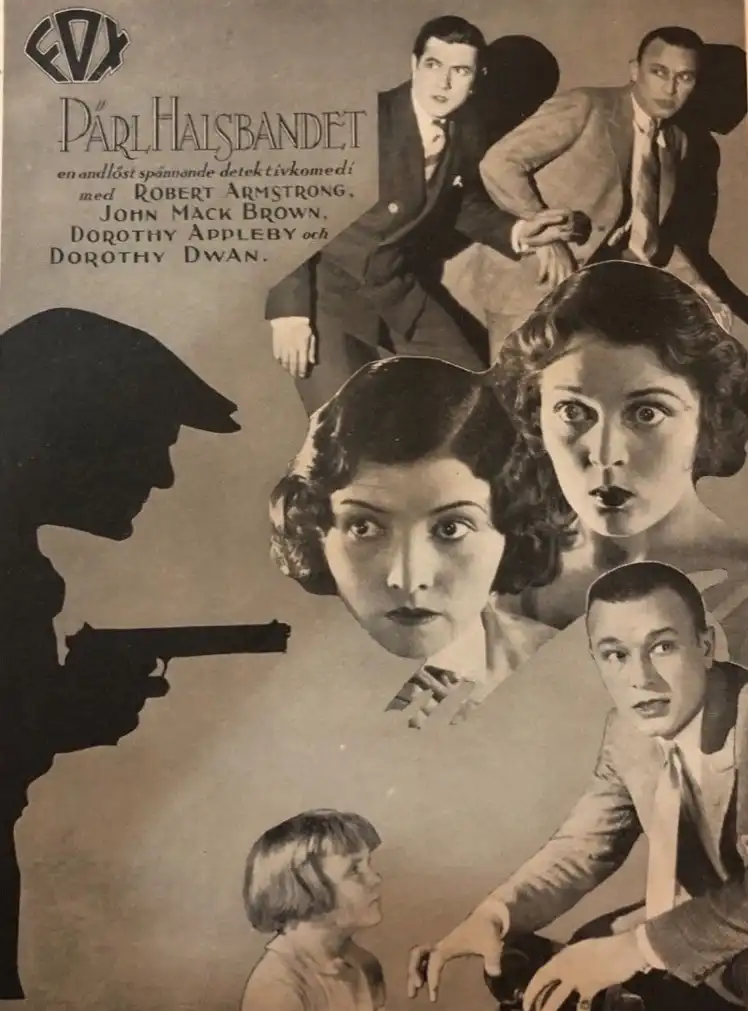
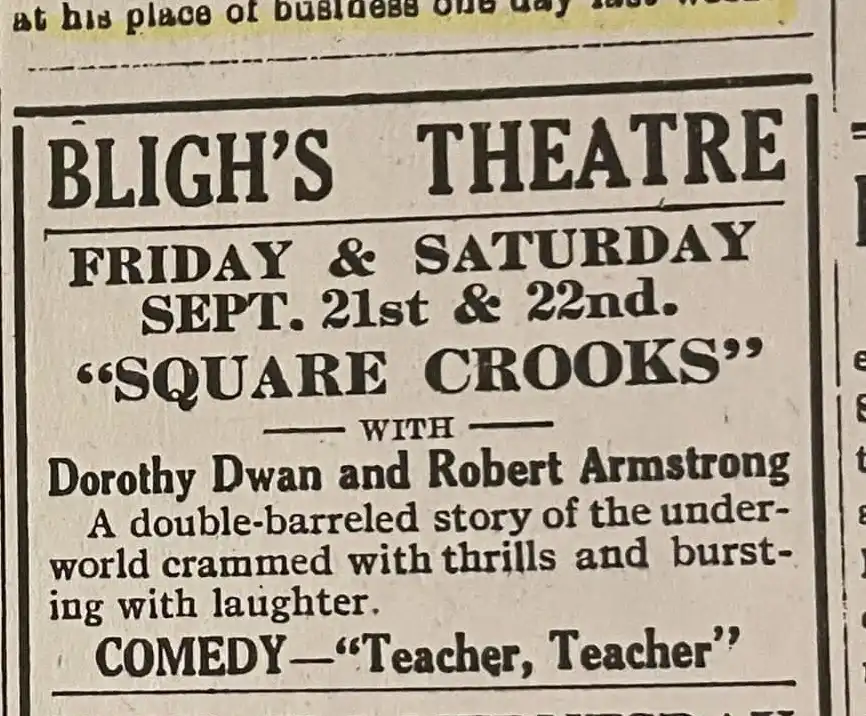
Two former crooks, Eddie Ellison and Larry Scott, who have decided that they want to go straight, take a variety of jobs but always have to leave when their nemesis, Detective Harry Welch finds them. Two days after they are forced to quit their most recent jobs, as chauffeurs to the wealthy Carson family, a pearl necklace is discovered to be missing, Welch assumes that the two are responsible for the crime. Eddie, who is married to Kay, a fiery-tempered hotel telephone operator, tries to keep the fact that he has lost another job from her. Eventually, Eddie and Larry are exonerated after an old cohort of theirs is revealed to be the culprit.
Decades after its release, Square Crooks remains a vital piece of the cinematic puzzle. Its influence can be seen in countless modern works, solidifying Lewis Seiler's status as a master of the craft in United States and beyond.