
DbcultAccessing Vault...
Director's Spotlight
Senior Film Conservator
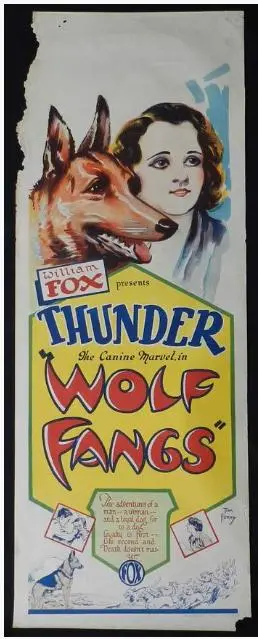
Director's Spotlight: United States
A Deep Dive into the 1927 Vision of Lewis Seiler
Witnessing the stylistic transformation of Action through Wolf Fangs reveals the global recognition that Lewis Seiler garnered after the release of Wolf Fangs. Serving as a mirror to the anxieties of a changing world, offering layers of thematic complexity that demand repeated viewing.
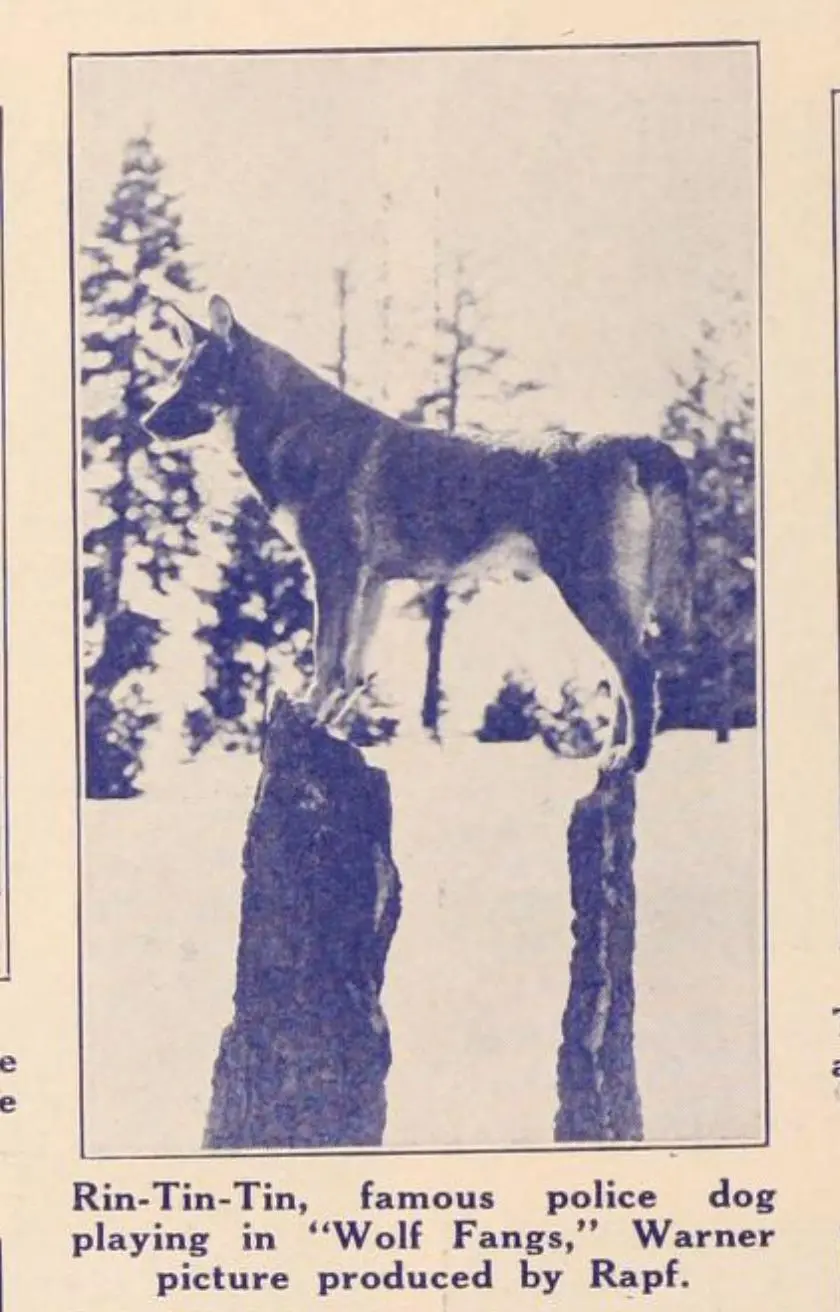
In Wolf Fangs, Lewis Seiler pushes the boundaries of conventional narrative. The film's unique approach to its subject matter has sparked endless debates and interpretations among cinephiles and critics alike.
| Cinematography | Handheld |
| Soundtrack | Diegetic |
| Editing | Rhythmic |
| Art Direction | Naturalist |
Visualizing the convergence of Lewis Seiler's style and the core Action narrative.
Thunder, a dog raised by Ellen, a sheepherder's daughter, is driven to the wilderness by the brutal treatment of her father, Bill Garside, and becomes an outlaw; when grown, he takes command of a wolfdog pack. Later, Ellen, driven from her home by the same brutal herder, seeks refuge at the cabin of Neal Barrett, the forest ranger; she is pursued by the hungry pack and is stranded on a rocky cliff where Thunder once again encounters his former mistress. He challenges the pack in her defense, provoking a battle between himself and a rival for his command. Later, Thunder rescues Ellen from her brutal father.
Decades after its release, Wolf Fangs remains a vital piece of the cinematic puzzle. Its influence can be seen in countless modern works, solidifying Lewis Seiler's status as a master of the craft in United States and beyond.