
DbcultAccessing Vault...
Director's Spotlight
Senior Film Conservator
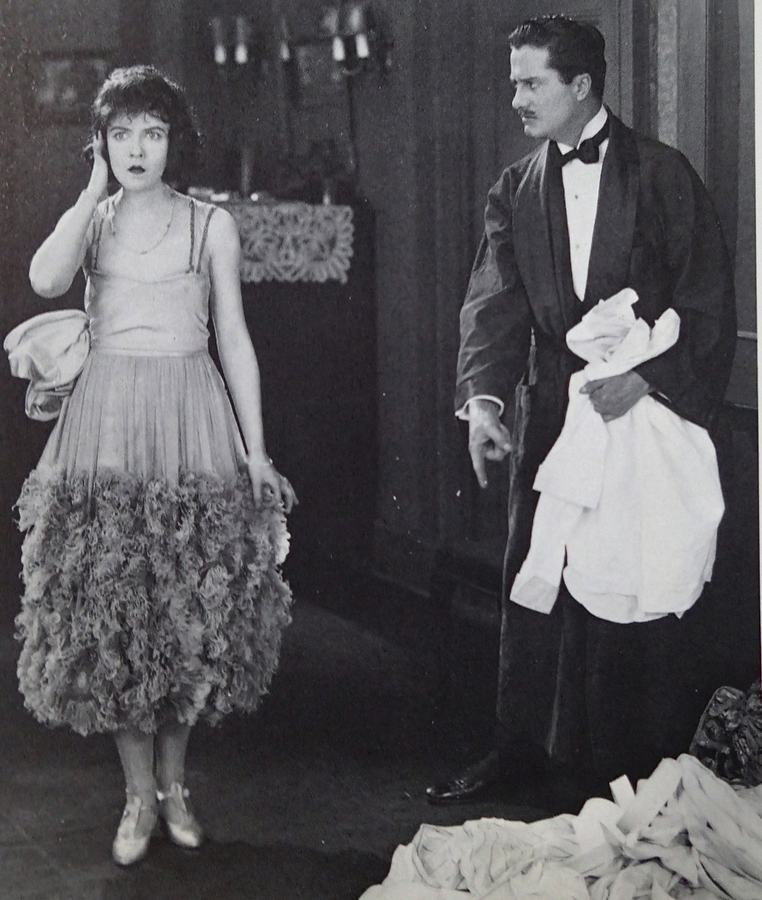
Director's Spotlight: United States
A Deep Dive into the 1920 Vision of Lillian Gish
As we revisit the 1920 masterpiece Remodeling Her Husband, we are struck by the meticulous attention to detail that Lillian Gish applied to every frame. Anchored by a narrative that is both personal and universal, it bridges the gap between traditional cult and contemporary vision.
In Remodeling Her Husband, Lillian Gish pushes the boundaries of conventional narrative. The film's unique approach to its subject matter has sparked endless debates and interpretations among cinephiles and critics alike.
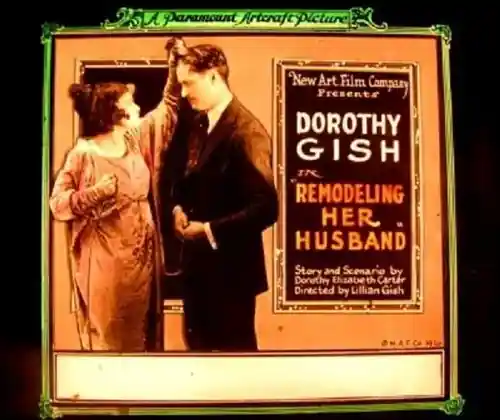
While deeply rooted in United States, Remodeling Her Husband has achieved a global reach, influencing directors from various backgrounds. Its ability to translate cult tropes into a universal cinematic language is why it remains a cult staple decades after its 1920 release.
| Cinematography | Static |
| Soundtrack | Minimalist |
| Editing | Disjunctive |
| Art Direction | Baroque |
Visualizing the convergence of Lillian Gish's style and the core cult narrative.
After she marries Jack Valentine, Janie Wakefield ( Dorothy Gish ) discovers that her husband's reputation as a flirt is well deserved when she sees him riding in a taxi with a strange woman. Janie hesitates to believe that the man was Jack until he falls victim to the wiles of a fascinating widow who lives across the hall. After a tempestuous scene, Janie decides to forgive him until she overhears Jack making a date with a manicurist. The irate Janie returns to her father and, accepting a position in his Wall Street firm, becomes a successful businesswoman. Jack begs her to return, but only after he threatens suicide does Janie decide that her husband has been remodel-led.
Decades after its release, Remodeling Her Husband remains a vital piece of the cinematic puzzle. Its influence can be seen in countless modern works, solidifying Lillian Gish's status as a master of the craft in United States and beyond.