
DbcultAccessing Vault...
Director's Spotlight
Senior Film Conservator
Director's Spotlight: United States
A Deep Dive into the 1925 Vision of Lloyd B. Carleton
Exploring the Action underpinnings of Nine and Three-Fifths Seconds leads us to the stylistic boundaries pushed by Lloyd B. Carleton during the production. Through a lens of existential fatalism and Action tropes, it continues to spark endless debates among critics and cinephiles alike.
In Nine and Three-Fifths Seconds, Lloyd B. Carleton pushes the boundaries of conventional narrative. The film's unique approach to its subject matter has sparked endless debates and interpretations among cinephiles and critics alike.
In this work, Lloyd B. Carleton explores the intersection of Action and United States cultural identity. The meticulous attention to detail suggests a deep-seated commitment to pushing the boundaries of the medium, ensuring that Nine and Three-Fifths Seconds remains a relevant topic of study for Action enthusiasts.
| Cinematography | Deep Focus |
| Soundtrack | Minimalist |
| Editing | Disjunctive |
| Art Direction | Baroque |
Visualizing the convergence of Lloyd B. Carleton's style and the core Action narrative.
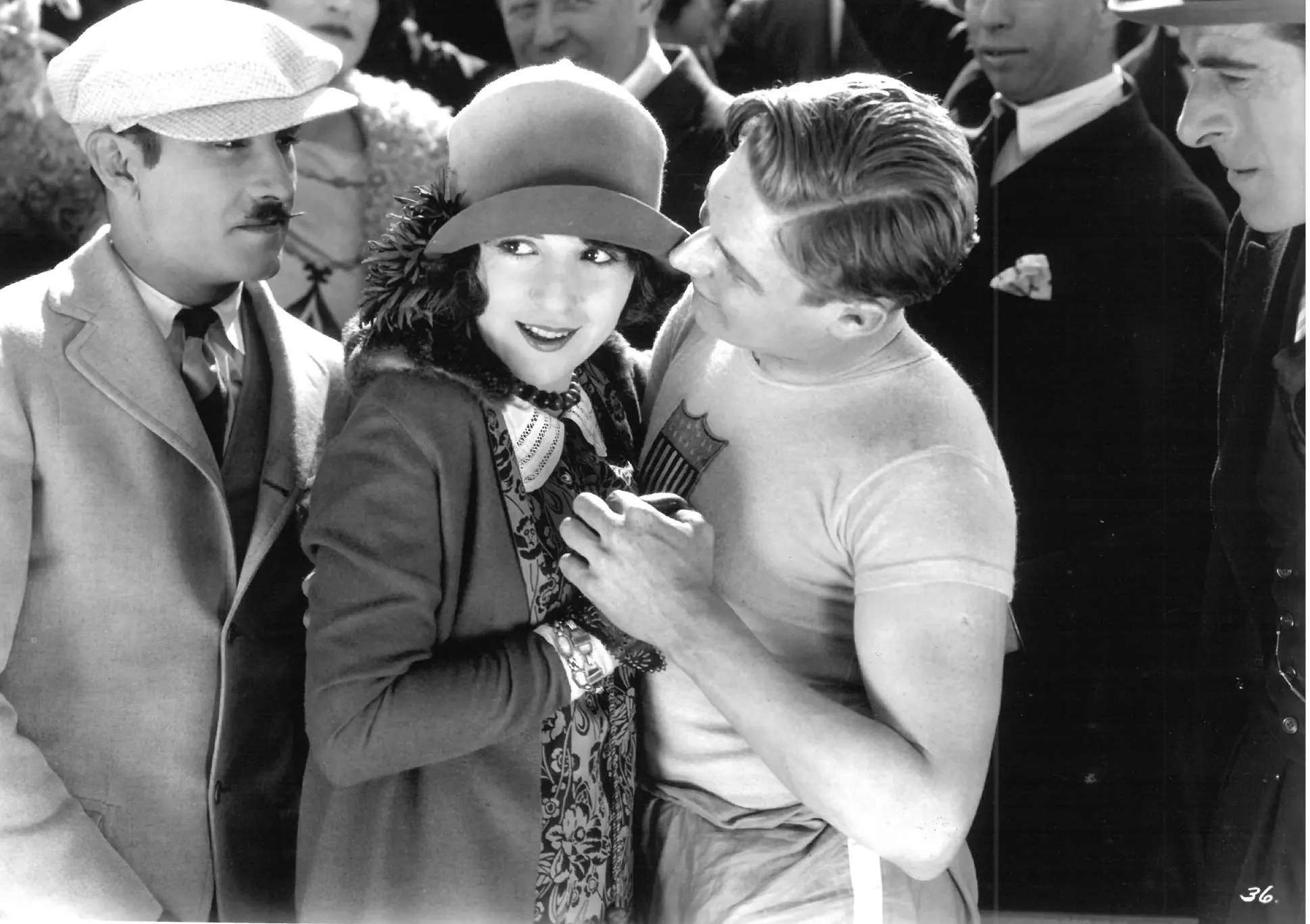
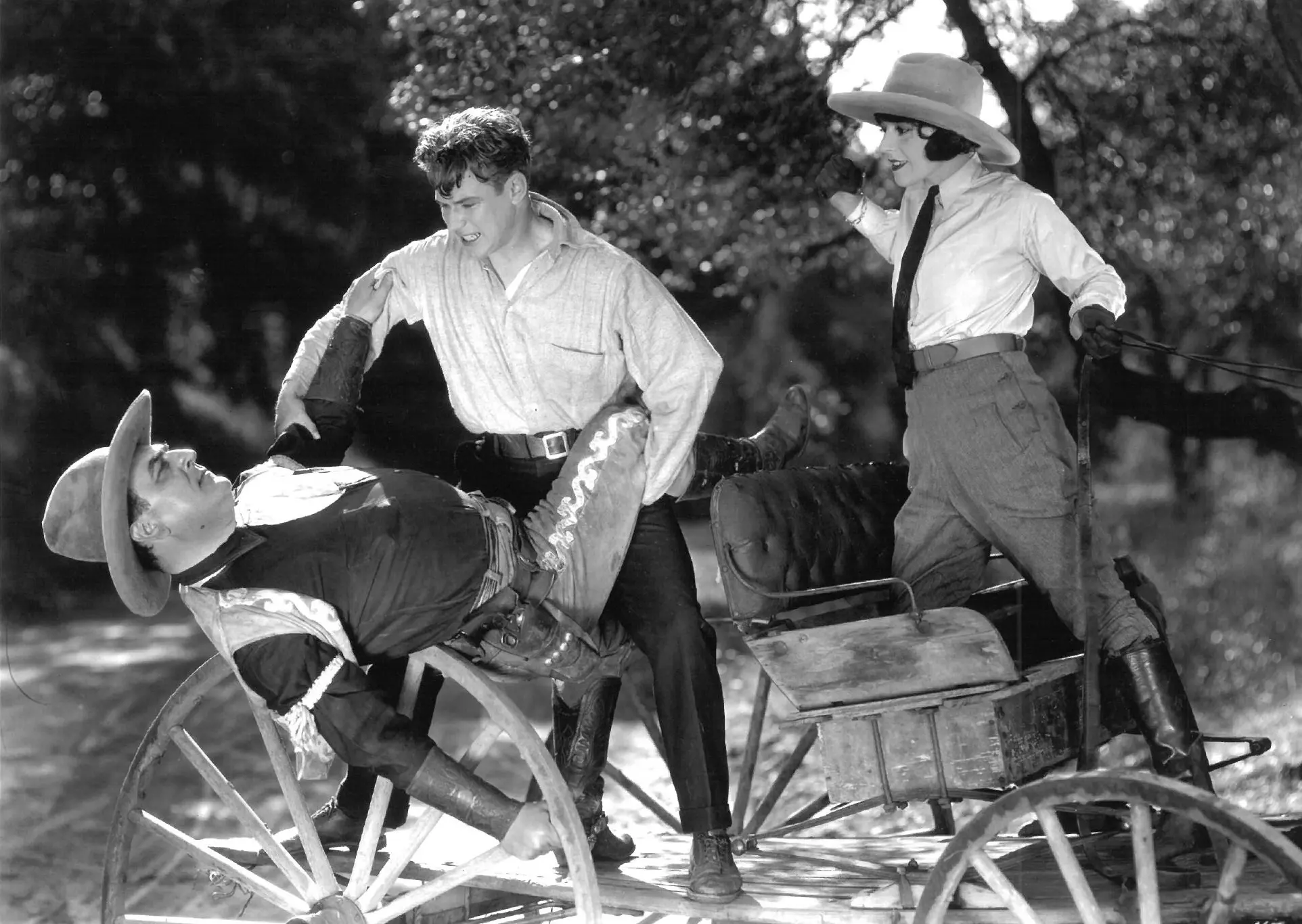
Charley Raymond, college athlete, is disowned by his father, has his clothes stolen by a hobo, assumes latter's garments and the nickname of "Chuck" and is thrown off a freight train. He meets and loves Mary Bowser, ranch-man's daughter and wins a race against a fast horse. Mary is kidnapped by a jealous suitor. Charley pursues on foot and rescues her. Later, he returns home, breaks the world sprinting record in the Olympic Games and wins Mary.
Decades after its release, Nine and Three-Fifths Seconds remains a vital piece of the cinematic puzzle. Its influence can be seen in countless modern works, solidifying Lloyd B. Carleton's status as a master of the craft in United States and beyond.