
DbcultAccessing Vault...
Director's Spotlight
Senior Film Conservator
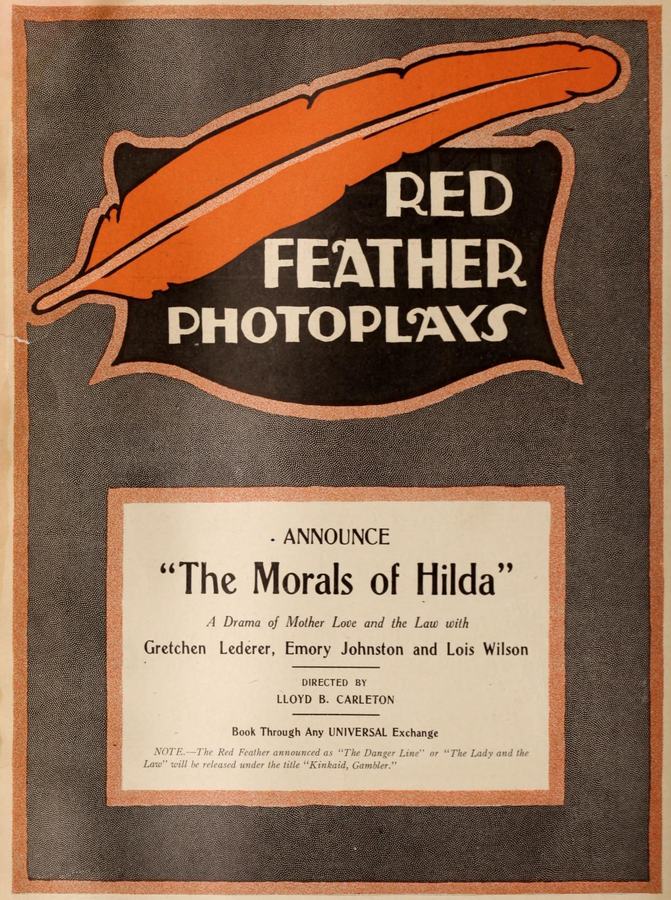
Director's Spotlight: United States
A Deep Dive into the 1916 Vision of Lloyd B. Carleton
In the storied career of Lloyd B. Carleton, The Morals of Hilda stands as a the provocative questions that Lloyd B. Carleton poses to the United States audience. Elevating the source material through Lloyd B. Carleton's unique vision, it persists as a haunting reminder of our own cinematic history.
In The Morals of Hilda, Lloyd B. Carleton pushes the boundaries of conventional narrative. The film's unique approach to its subject matter has sparked endless debates and interpretations among cinephiles and critics alike.
To fully appreciate The Morals of Hilda, one must consider the cinematic climate of 1916. During this period, United States was undergoing significant artistic shifts, and Lloyd B. Carleton was at the forefront of this cult movement, often challenging established norms.
| Cinematography | Noir-Inspired |
| Soundtrack | Synth-Heavy |
| Editing | Disjunctive |
| Art Direction | Baroque |
Visualizing the convergence of Lloyd B. Carleton's style and the core cult narrative.
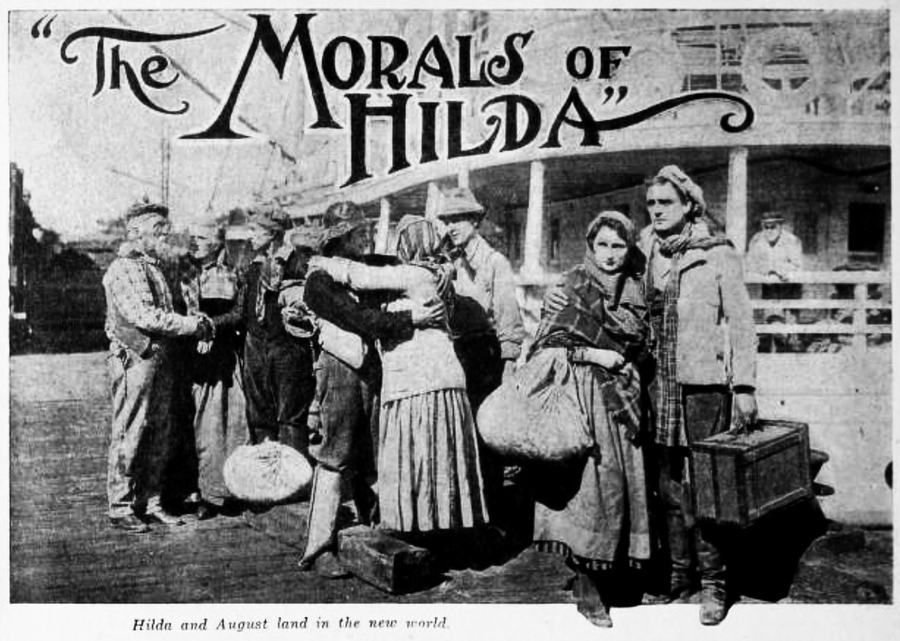
August and Hilda are recent immigrants who cannot understand the American emphasis on weddings, because in their country, couples never get married. Fearing that he will be arrested for living with a woman who is not his wife, August stows away on a ship and dies in a wreck at sea. Afterward, Hilda tries to commit suicide, but rich Esther Grail saves her, and then adopts her infant son Stephen. Years later, Esther tells him the circumstances of his birth, and so Stephen goes on a crusade for the rights of illegitimate children. He is soon elected governor, but during his inaugural speech, a fanatic tries to shoot him. Hilda, however, not having seen Stephen for years but deciding to come hear him speak out for the underprivileged, sees the madman and, jumping in front of her son before the bullet hits him, dies in his place.
Decades after its release, The Morals of Hilda remains a vital piece of the cinematic puzzle. Its influence can be seen in countless modern works, solidifying Lloyd B. Carleton's status as a master of the craft in United States and beyond.