
DbcultAccessing Vault...
Director's Spotlight
Senior Film Conservator
Director's Spotlight: United States
A Deep Dive into the 1916 Vision of Lloyd B. Carleton
Analyzing The Unattainable (1916) requires a deep dive into the unique directorial voice that Lloyd B. Carleton brought to the screen. By challenging the status quo of 1916 cinema, it continues to spark endless debates among critics and cinephiles alike.
In The Unattainable, Lloyd B. Carleton pushes the boundaries of conventional narrative. The film's unique approach to its subject matter has sparked endless debates and interpretations among cinephiles and critics alike.
To fully appreciate The Unattainable, one must consider the cinematic climate of 1916. During this period, United States was undergoing significant artistic shifts, and Lloyd B. Carleton was at the forefront of this cult movement, often challenging established norms.
| Cinematography | Noir-Inspired |
| Soundtrack | Synth-Heavy |
| Editing | Disjunctive |
| Art Direction | Baroque |
Visualizing the convergence of Lloyd B. Carleton's style and the core cult narrative.
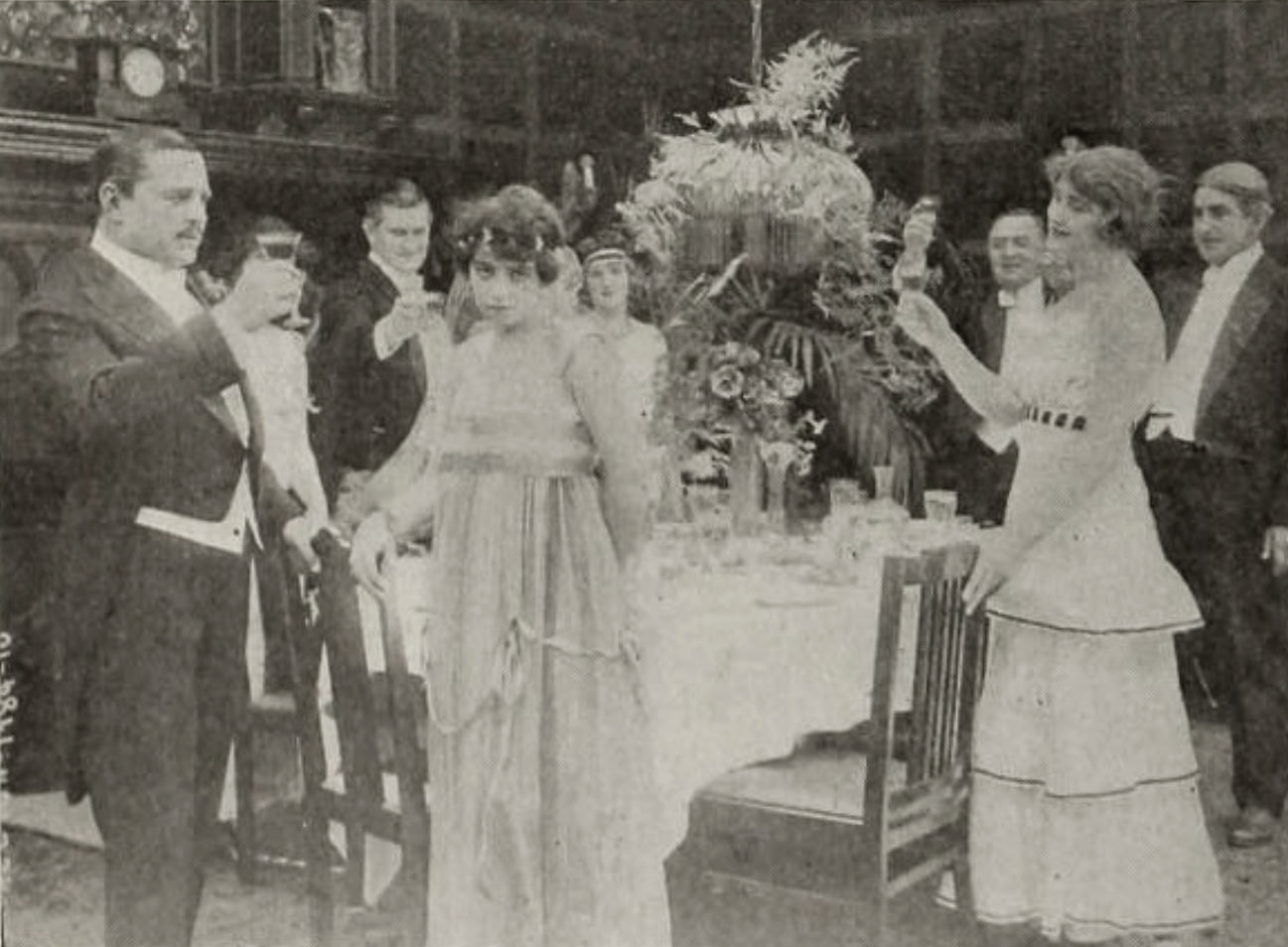
Bessie Gale, known in New York night life as "the unattainable," is pursued by Henry Morton, wealthy clubman. Morton follows Bessie across the continent, traveling with the theatrical company of which she is a member. In crossing the Sierra Nevada Mountains the girl is particularly impressed with the scenery, and at a way station where the train stops for a few moments Bessie alights and strolls so far away from the depot she is unable to return in time to board the train when it proceeds. She finds shelter for the night at Robert Goodman's home, intending to rejoin her company when the next train comes along the following day. The receipt of a telegram discharging her for missing her train changes her plans, and Bessie settles down at the Goodman home for a stay of indefinite duration. Robert Goodman's mother takes a great fancy to Bessie and Robert falls in love with her. Finally they are married, but the longing for her old life is never quite stifled within her and Bessie rejoices when she is sent to New York by her husband to negotiate the sale of his formula for preventing disease among sheep that is just then devastating the flocks throughout the country. Bessie collects an immense check and contracts for royalties that make Robert a millionaire, and is about to start home when she accidentally meets some of her former associates. The call of the stage is renewed with resistless vigor when Bessie is offered an engagement by her former manager. Morton hears of her presence in town and renews his efforts to attain "the unattainable." Bessie writes to her husband that she is going back to the stage. Robert senses trouble for her and comes to New York without notifying her. He finds her dining with Morton under conditions any husband would resent, and when Morton is unable to defend himself from the physical retribution Robert rains upon him Morton shoots the husband in the coward's target, his back. The tragedy restores Bessie to a realization of her perfidy and folly; Morton acquires a streak of unheard of manliness and when Robert is taken to the hospital the clubman offers his blood for transfusion to Robert's veins that the life of his victim may be saved. The blood test reveals that Morton's blood would poison the stricken Robert and then Bessie is accepted as a volunteer to give her blood to save her husband's life, an operation that is entirely successful.
Decades after its release, The Unattainable remains a vital piece of the cinematic puzzle. Its influence can be seen in countless modern works, solidifying Lloyd B. Carleton's status as a master of the craft in United States and beyond.