
DbcultAccessing Vault...
Director's Spotlight
Senior Film Conservator
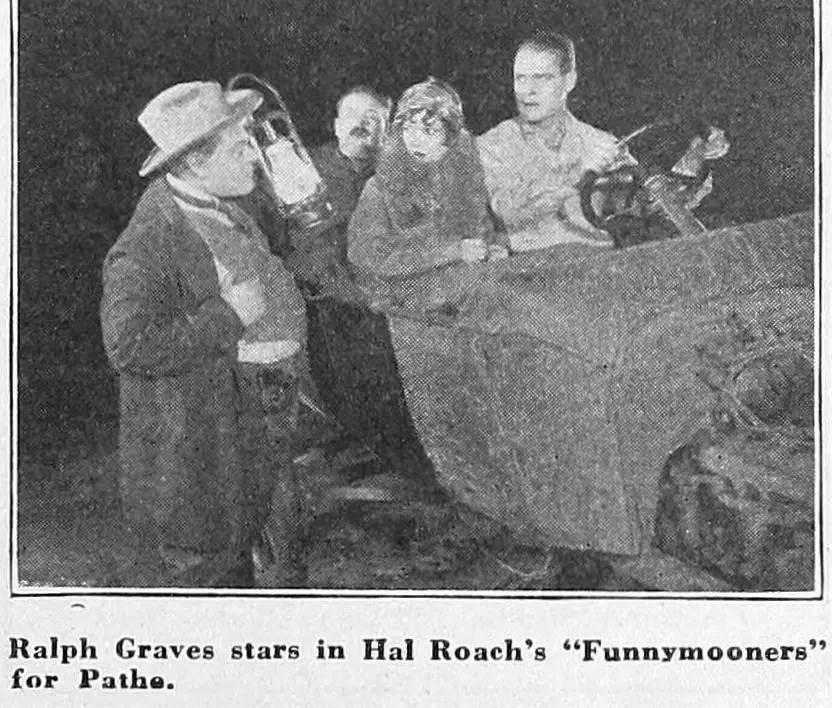
Director's Spotlight: United States
A Deep Dive into the 1926 Vision of Lloyd Bacon
Few works in United States cinema carry the same weight as The Funnymooners, especially regarding the technical innovation that Lloyd Bacon introduced to the Comedy format. Subverting the expectations of the typical 1926 audience, it bridges the gap between traditional Comedy and contemporary vision.
In The Funnymooners, Lloyd Bacon pushes the boundaries of conventional narrative. The film's unique approach to its subject matter has sparked endless debates and interpretations among cinephiles and critics alike.
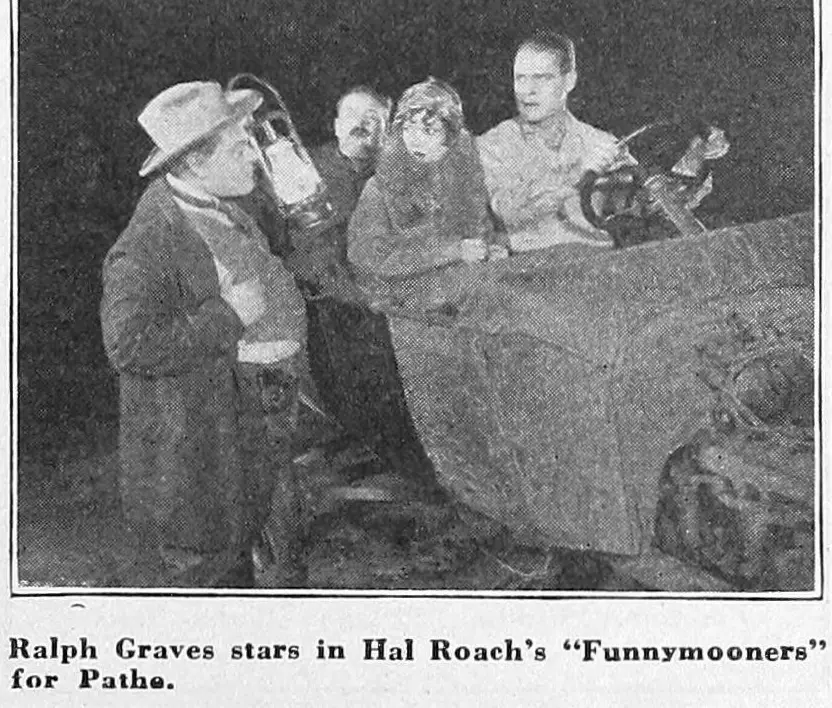
To fully appreciate The Funnymooners, one must consider the cinematic climate of 1926. During this period, United States was undergoing significant artistic shifts, and Lloyd Bacon was at the forefront of this Comedy movement, often challenging established norms.
| Cinematography | Static |
| Soundtrack | Synth-Heavy |
| Editing | Rhythmic |
| Art Direction | Naturalist |
Visualizing the convergence of Lloyd Bacon's style and the core Comedy narrative.
Ralph attempts to elope with Thelma against her parents' wishes. Ralph disguises as a teacher to take her off to a boarding school and there is a new and amusing gag where he gradually discards his disguise while walking along the street. Marvin, an insurance agent, fastens himself on to the young couple and succeeds in muddling things up generally, finally insisting on taking them to a hotel and sharing a room with his wife. Ralph gets around this embarrassing situation by getting the insurance man in his bed to talk business with him. The girl's father appears the next morning and Ralph is tickled when he insists that they get married, but the pest almost queers matters by phoning to the justice of the peace that his house is on fire and his wife murdered.
Decades after its release, The Funnymooners remains a vital piece of the cinematic puzzle. Its influence can be seen in countless modern works, solidifying Lloyd Bacon's status as a master of the craft in United States and beyond.