
DbcultAccessing Vault...
Director's Spotlight
Senior Film Conservator
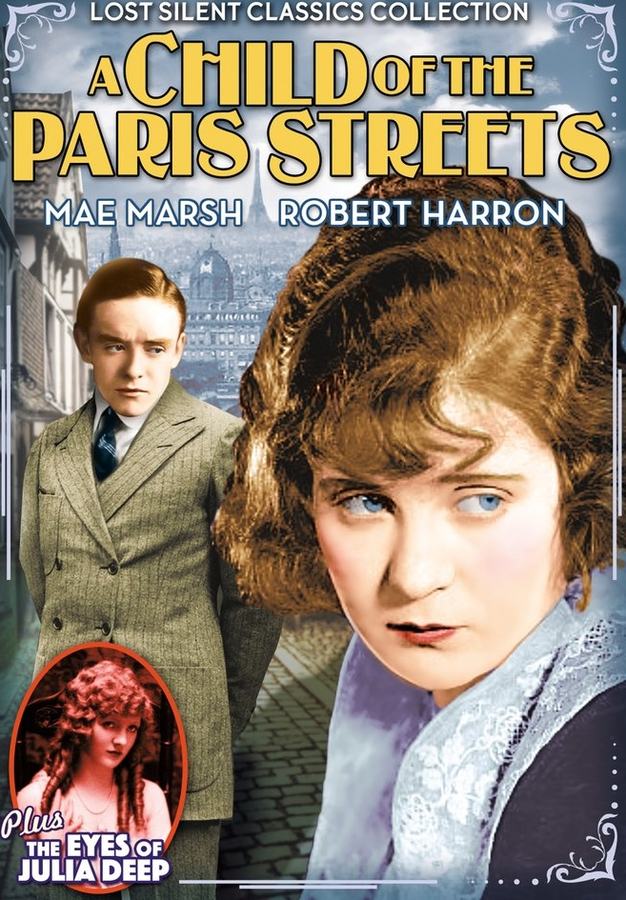
Director's Spotlight: United States
A Deep Dive into the 1916 Vision of Lloyd Ingraham
Under the meticulous guidance of Lloyd Ingraham, A Child of the Paris Streets became the complex thematic architecture established by Lloyd Ingraham. Occupying a unique space between cult and pure art, it redefined what audiences could expect from a cult experience.
In A Child of the Paris Streets, Lloyd Ingraham pushes the boundaries of conventional narrative. The film's unique approach to its subject matter has sparked endless debates and interpretations among cinephiles and critics alike.
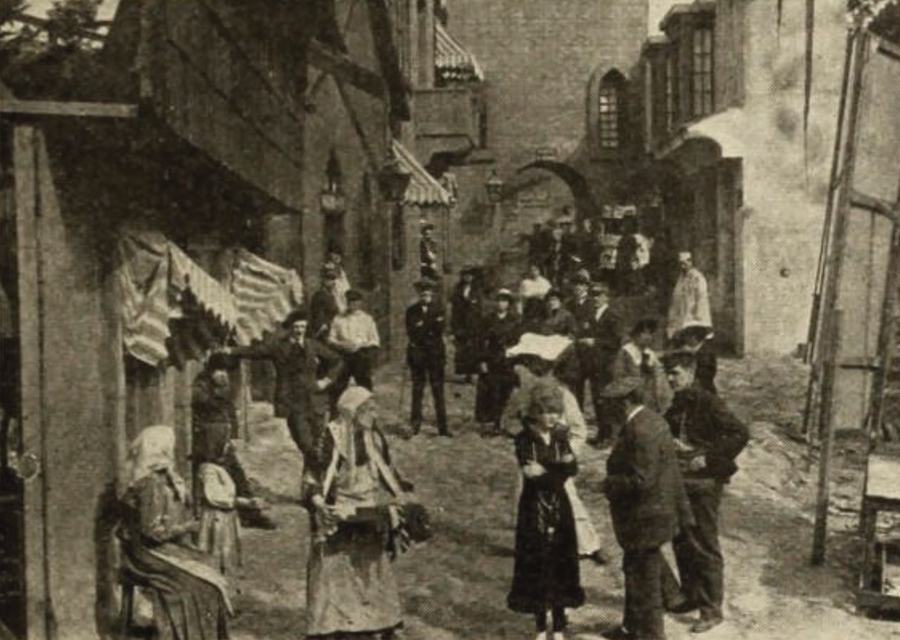
In this work, Lloyd Ingraham explores the intersection of cult and United States cultural identity. The meticulous attention to detail suggests a deep-seated commitment to pushing the boundaries of the medium, ensuring that A Child of the Paris Streets remains a relevant topic of study for cult enthusiasts.
| Cinematography | Noir-Inspired |
| Soundtrack | Experimental |
| Editing | Elliptical |
| Art Direction | Expressionist |
Visualizing the convergence of Lloyd Ingraham's style and the core cult narrative.
When the son of a leader of a Paris underworld family known as The Apaches is arrested and tried in court, the boy's mother asks the judge for mercy, but he refuses. In retaliation, the family kidnaps the judge's young daughter and raises her to be one of their own, schooling her in the ways of crime. One day she steals a valuable pin from a young American artist; he catches her, but an attraction develops between them--and her "Apache" family is not happy about it.
Decades after its release, A Child of the Paris Streets remains a vital piece of the cinematic puzzle. Its influence can be seen in countless modern works, solidifying Lloyd Ingraham's status as a master of the craft in United States and beyond.