
DbcultAccessing Vault...
Director's Spotlight
Senior Film Conservator
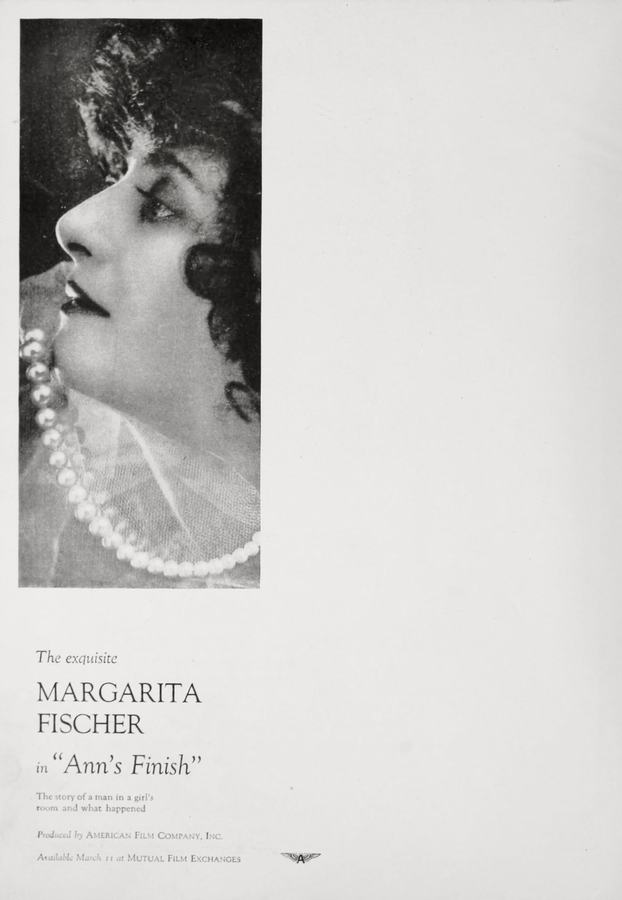
Director's Spotlight: United States
A Deep Dive into the 1918 Vision of Lloyd Ingraham
The 1918 release of Ann's Finish marked a significant moment for the stylistic boundaries pushed by Lloyd Ingraham during the production. In the context of United States's rich cinematic history, it invites us to question our own perceptions of cult narratives.
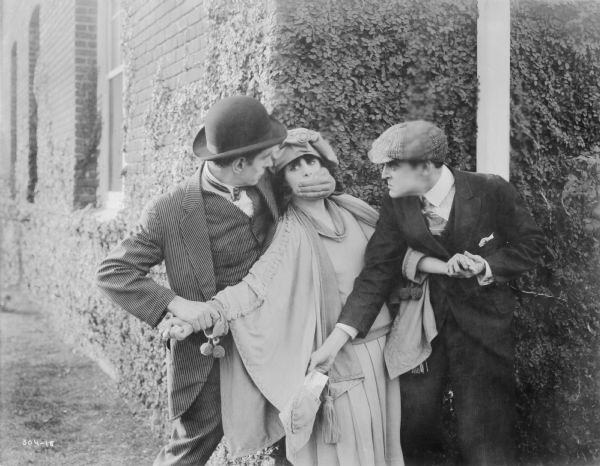
In Ann's Finish, Lloyd Ingraham pushes the boundaries of conventional narrative. The film's unique approach to its subject matter has sparked endless debates and interpretations among cinephiles and critics alike.
| Cinematography | Deep Focus |
| Soundtrack | Experimental |
| Editing | Elliptical |
| Art Direction | Expressionist |
Visualizing the convergence of Lloyd Ingraham's style and the core cult narrative.
Wild young Ann Anderson keeps getting expelled from boarding schools because of her passion for pulling pranks. She is finally enrolled at Madame D'Arcy's Finishing School. One night she is awakened by a noise in her room to find a young man stealing from her. However, it turns out that the burglar, Robert, is forced to steal money to buy food for his starving mother. Ann, feeling sorry for him, tells Madame D'Arcy that Robert is actually her husband home from the army, but it doesn't work and she gets expelled from that school, too. However, circumstances take a strange turn when she gets mixed up with a second burglar, is kidnapped and discovers that "Robert" isn't quite who he said he was.
Decades after its release, Ann's Finish remains a vital piece of the cinematic puzzle. Its influence can be seen in countless modern works, solidifying Lloyd Ingraham's status as a master of the craft in United States and beyond.